How to Choose Industrial Filtration Equipment: A Complete Guide
Learn how to select the right industrial filtration equipment for your facility. Explore types, benefits, features, and best practices for optimal performance and cost-effectiveness.
Industrial filtration equipment is fundamental to maintaining operational efficiency, product quality, and environmental compliance across diverse manufacturing sectors. From removing contaminants in liquid processing to capturing particulates in air systems, filtration technology protects both equipment and end products. Whether you manage a pharmaceutical facility, chemical plant, food processing operation, or general manufacturing environment, understanding filtration options helps you select systems that align with your specific operational requirements and budget constraints.
Understanding Industrial Filtration Benefits and Limitations
Industrial filtration systems offer significant advantages that extend beyond basic contamination removal. Effective filtration extends equipment lifespan by preventing abrasive particles from damaging pumps, compressors, and machinery. It improves product quality and consistency, which is especially critical in pharmaceutical and food manufacturing where purity standards are non-negotiable. Filtration also reduces environmental impact by capturing harmful particulates before they enter the atmosphere or water systems, supporting regulatory compliance and sustainability goals.
However, filtration systems come with certain limitations worth considering. Initial capital investment can be substantial, particularly for advanced multi-stage systems. Ongoing maintenance requirements, including filter replacement and system cleaning, create operational costs and require trained personnel. Filtration systems can create pressure drops that affect system efficiency, and some specialized applications demand custom solutions that may be difficult to source or maintain. Understanding these trade-offs helps you make realistic assessments of total cost of ownership.
Types of Industrial Filtration Equipment
Industrial filtration encompasses several distinct categories, each designed for specific applications and contamination challenges.
Air Filtration Systems
Air filtration equipment removes particulates, dust, and contaminants from compressed air and manufacturing environments. High-efficiency particulate air (HEPA) filters capture 99.97% of particles 0.3 micrometers or larger, making them essential for cleanroom environments. Electrostatic precipitators use electrical charges to collect particles, offering reusable filter media. Cartridge filters provide efficient particulate removal in compact designs suitable for various industrial settings.
Liquid Filtration Systems
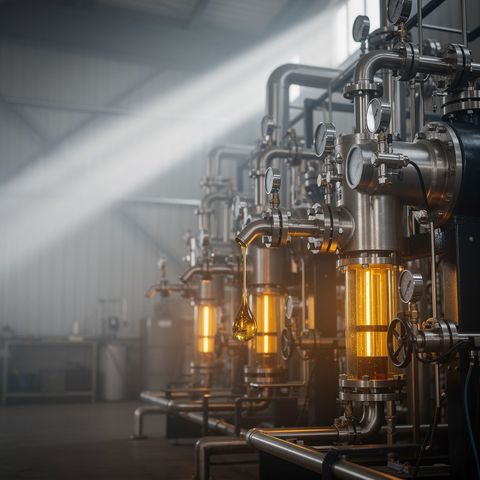
Liquid filtration removes contaminants from oils, water, chemicals, and other process fluids. Bag filters offer economical solutions for high-volume applications with moderate contamination levels. Cartridge filters provide higher efficiency and longer service life. Membrane filtration systems, including microfiltration and ultrafiltration, handle specialized applications requiring precise particle size control. Magnetic separators remove ferrous contaminants from liquids and slurries.
Specialized Filtration Technologies
Certain applications require advanced filtration approaches. Activated carbon filters remove odors, tastes, and chemical contaminants. Reverse osmosis systems purify water for sensitive processes. Centrifugal separators handle high-viscosity fluids and dense contaminants. Multi-stage systems combine several technologies to address complex contamination profiles.
Current Industry Trends in Filtration Technology
The industrial filtration sector continues evolving in response to environmental regulations, efficiency demands, and technological advancement. Manufacturers increasingly adopt sustainable filter media made from recycled or biodegradable materials. Smart filtration systems incorporate sensors and monitoring technology that track filter condition, predict maintenance needs, and optimize performance in real-time. Modular system designs allow facilities to scale filtration capacity and reconfigure systems as production needs change. Energy-efficient designs reduce pressure drops and operational costs while maintaining filtration performance. Industries are also moving toward integrated filtration solutions that combine multiple technologies in single units, reducing space requirements and simplifying maintenance protocols.
Key Features to Evaluate When Selecting Equipment
Successful filtration system selection requires evaluating multiple technical and operational factors.
Filtration Efficiency and Particle Size Rating
Efficiency ratings indicate what percentage of particles at specific sizes the filter captures. Micron ratings specify the smallest particles removed. Your selection must match the contamination levels and particle sizes present in your application. Higher efficiency typically means longer filter life but may increase pressure drop.
Flow Rate and Capacity
System flow rate must accommodate your operational requirements without excessive pressure drop. Undersized systems create bottlenecks; oversized systems waste energy and capital. Consider both average operating flow and peak demand scenarios.
Filter Media Compatibility
Filter media must be compatible with the fluids or air being processed. Chemical compatibility prevents degradation and contamination. Temperature ranges, pH levels, and exposure to solvents all influence media selection.
Maintenance Requirements and Accessibility
Consider how easily filters can be accessed for replacement, how frequently replacement is needed, and whether your maintenance staff can handle service requirements. Easy-access designs reduce downtime and labor costs.
Housing Materials and Durability
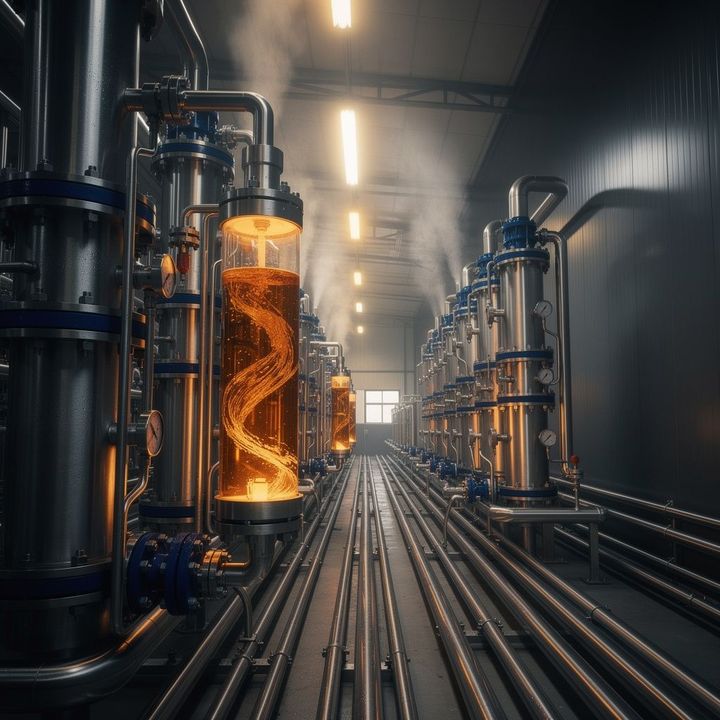
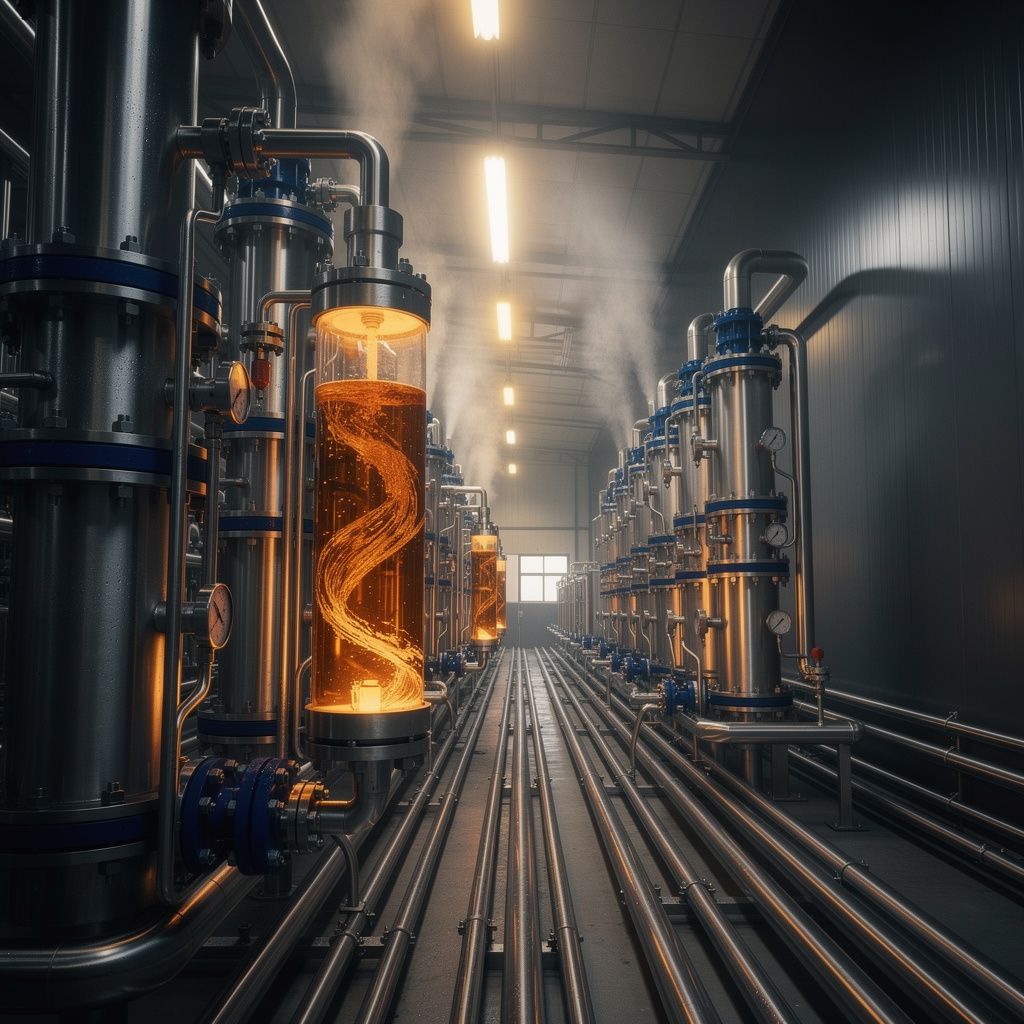
Filter housing materials must resist corrosion and withstand operational pressures. Stainless steel offers superior corrosion resistance but costs more than carbon steel. Material selection impacts both longevity and maintenance requirements.
Leading Approaches in Industrial Filtration
Different industries and applications have established best practices for filtration implementation. Pharmaceutical manufacturers employ multi-stage systems with validation protocols to ensure product purity. Food processing operations use stainless steel systems with sanitary designs that prevent bacterial growth and contamination. Hydraulic system manufacturers rely on high-efficiency cartridge filters to protect sensitive components. Compressed air users implement multi-stage systems combining particulate, coalescing, and desiccant filters. Understanding industry-specific approaches helps you select equipment aligned with established standards and proven performance.
Comparison of Common Filtration Technologies
| Technology Type | Best For | Efficiency Level | Maintenance Frequency | Cost Range |
|---|---|---|---|---|
| Bag Filters | High-volume, moderate contamination | Moderate | Monthly to quarterly | Low to moderate |
| Cartridge Filters | General industrial applications | High | Quarterly to annually | Moderate |
| HEPA Filters | Cleanrooms, sensitive processes | Very high | Annually to biannually | Moderate to high |
| Electrostatic Precipitators | Dust collection, air filtration | High | Monthly cleaning | High initial, low operating |
| Membrane Systems | Water purification, specialized liquids | Very high | Regular monitoring | High |
Practical Tips for Selecting and Implementing Filtration Systems
Successful filtration implementation requires careful planning and consideration of operational realities.
- Conduct contamination analysis: Test your process fluids or air to understand actual contamination levels, particle sizes, and types before selecting equipment. This prevents over-specification and ensures adequate protection.
- Calculate total cost of ownership: Include initial equipment cost, filter replacement expenses, labor for maintenance, and energy consumption. Lower-cost equipment may prove expensive when accounting for frequent filter changes and downtime.
- Plan for scalability: Select systems with capacity headroom for modest production increases. Modular designs allow future expansion without complete system replacement.
- Establish preventive maintenance schedules: Regular maintenance extends filter life and prevents system failures. Document filter change intervals and monitor pressure differential indicators.
- Train maintenance staff: Ensure your team understands proper filter installation, system operation, and troubleshooting. Improper maintenance reduces system effectiveness and increases costs.
- Consider redundancy for critical applications: Parallel filtration systems provide backup capacity if one unit requires maintenance, preventing production interruptions.
- Review regulatory requirements: Verify that your selected equipment meets industry-specific standards and environmental regulations applicable to your operations.
Equipment Selection Checklist
Use this checklist when evaluating industrial filtration equipment:
- Contamination analysis completed and documented
- Required filtration efficiency and micron rating identified
- Flow rate requirements calculated for normal and peak operations
- Filter media compatibility confirmed with process fluids or air
- Housing material selected for corrosion resistance and durability
- Maintenance access and frequency requirements evaluated
- Total cost of ownership calculated including filter replacement
- Regulatory compliance requirements verified
- Space requirements and installation logistics confirmed
- Vendor support and filter availability assessed
- Warranty terms and service agreements reviewed
- Staff training requirements identified
Frequently Asked Questions About Industrial Filtration
What is the difference between micron rating and efficiency rating?
Micron rating indicates the smallest particle size a filter can theoretically capture, while efficiency rating shows the percentage of particles at that size the filter actually removes. A filter rated at 10 microns with 95% efficiency captures 95% of 10-micron particles but may allow some smaller particles to pass through.
How often should industrial filters be replaced?
Replacement frequency depends on contamination levels, filter type, and system design. Bag filters typically require monthly to quarterly replacement, cartridge filters quarterly to annually, and HEPA filters annually to biannually. Pressure differential indicators signal when replacement is needed rather than following fixed schedules.
Can filter media be cleaned and reused instead of replaced?
Some filter media, particularly electrostatic and washable types, can be cleaned and reused. However, many cartridge and bag filters are designed for single-use. Reusable media requires proper cleaning procedures to avoid damage. Consult manufacturer guidance before attempting to clean and reuse filters.
What causes pressure drop in filtration systems?
Pressure drop occurs as fluid or air flows through filter media, with clean filters creating minimal drop. As filters accumulate contaminants, pressure drop increases. Excessive pressure drop indicates filter saturation and need for replacement. System design should minimize pressure drop while maintaining required efficiency.
How do I determine the correct filter size for my application?
Calculate your maximum flow rate requirement in gallons per minute (liquid) or cubic feet per minute (air). Consult manufacturer specifications to find filter models rated for your flow rate. Selecting equipment rated 20-30% above your maximum flow ensures adequate capacity without excessive pressure drop.
What is the importance of filter housing material selection?
Housing material must resist corrosion from process fluids, withstand operational pressures, and maintain structural integrity. Carbon steel suits many applications but may corrode in acidic or caustic environments. Stainless steel offers superior corrosion resistance, especially for food, pharmaceutical, and chemical applications, though at higher cost.
Conclusion
Industrial filtration equipment represents a critical investment in operational efficiency, product quality, and regulatory compliance. By understanding different filtration technologies, evaluating key performance features, and following systematic selection processes, you can identify systems that meet your specific operational requirements while optimizing total cost of ownership. Successful implementation requires not only selecting appropriate equipment but also establishing preventive maintenance protocols, training maintenance staff, and monitoring system performance over time. As filtration technology continues evolving with smart systems, sustainable materials, and integrated solutions, staying informed about current trends helps you make forward-looking decisions that support long-term operational success. Whether you're addressing existing contamination challenges or proactively upgrading filtration capabilities, the comprehensive approach outlined in this guide provides the framework for confident, informed decision-making.