Hot Aggregate Elevators: Explore Conveyor Design, Material Handling, Heating and Asphalt Plant Integration
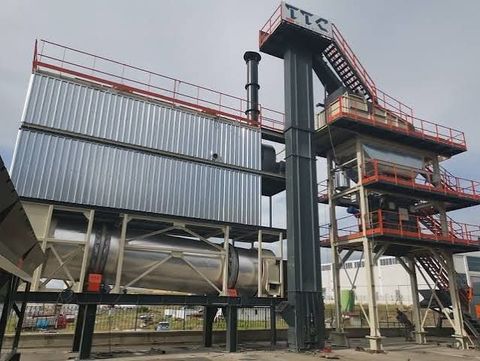
A hot aggregate elevator is a material-handling machine used in asphalt mixing plants to transport heated and dried aggregate from a lower section of the plant to an elevated section, usually the screening and hot-bin area. Aggregate refers to materials such as crushed stone, gravel, and manufactured mineral particles that form a major part of asphalt mixtures.
The equipment is commonly associated with batch-type and some other configurations of asphalt plants. After aggregate passes through cold feed bins, drying, and heating stages, it needs to be moved upward without significant interruption. The hot aggregate elevator performs this vertical conveying task.
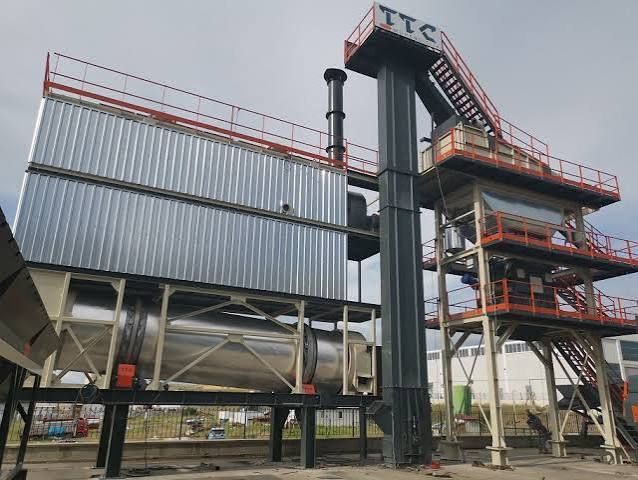
The machine generally consists of a vertical casing, buckets or carriers, chains or belts, sprockets, a drive unit, tensioning equipment, and inspection access points. Its design allows heated aggregate to move from the dryer discharge area toward storage bins or screening equipment.
How the Process Developed
Traditional material-handling systems used different mechanical arrangements to move bulk materials between processing stages. As asphalt plants became more integrated, dedicated elevators provided a practical method for moving hot aggregate vertically while keeping the plant layout relatively compact.
Modern hot aggregate elevators are designed around the temperature, particle size, moisture condition, throughput, and physical characteristics of the material being transported. Their dimensions and operating characteristics therefore vary according to the plant configuration.
Basic Operating Principle
Heated aggregate enters the elevator through an inlet located near the lower section. A continuous chain or belt moves buckets upward, carrying the material toward the discharge point.
At the upper section, the buckets release the aggregate into a receiving chute or screening system. The empty buckets then travel downward and return to the loading point, creating a continuous conveying cycle.
Importance
Why Hot Aggregate Elevators Matter
A hot aggregate elevator connects important stages within an asphalt production process. Without an appropriate vertical conveying arrangement, heated aggregate would need another method of reaching elevated screening or storage equipment.
The elevator also needs to operate under demanding thermal and mechanical conditions. Aggregate may remain at elevated temperatures after leaving the drying and heating section, while the material itself can be abrasive because of its mineral composition.
The system therefore has to account for several factors:
- Continuous movement of heated aggregate
- High material temperatures
- Abrasive particles
- Variable aggregate sizes
- Mechanical loading
- Dust generation
- Vertical lifting requirements
Role in Asphalt Plants
In a typical batch asphalt plant, the material pathway can be summarized as follows:
| Processing stage | Main function | Relationship to elevator |
|---|---|---|
| Cold feed bins | Introduce different aggregate sizes | Initial material supply |
| Conveyor | Moves aggregate toward drying equipment | Horizontal or inclined transfer |
| Dryer drum | Removes moisture and heats aggregate | Produces hot aggregate |
| Hot aggregate elevator | Raises heated material | Vertical transfer |
| Vibrating screen | Separates aggregate by size | Receives elevated material |
| Hot bins | Holds separated fractions | Stores screened material |
| Weighing and mixing section | Measures and combines materials | Later processing stage |
The exact arrangement varies between asphalt plant designs. Some plants use different conveying configurations depending on their capacity and layout.
Effects on Plant Operation
The elevator's condition can influence the movement of aggregate through the plant. Problems involving bucket damage, chain wear, drive components, alignment, or material buildup may interrupt the transfer process.
Because the elevator operates between other plant components, a problem in this area can affect subsequent stages. Regular inspection and appropriate operating procedures are therefore important parts of plant management.
Recent Updates
Automation and Monitoring
From 2024 through 2026, industrial material-handling equipment has continued to incorporate greater use of sensors, digital controls, and automated monitoring. Hot aggregate elevators can be integrated into broader asphalt plant control systems that track equipment status and production conditions.
Depending on the plant configuration, monitoring may include motor load, elevator speed, temperature-related information, vibration, and other operating parameters. These systems can help plant personnel identify changes in operating conditions.
Mechanical Improvements
Recent equipment development has also focused on improving durability under high-temperature and abrasive conditions. Design attention may be given to bucket construction, chain assemblies, sprockets, bearings, liners, access arrangements, and sealing around areas where dust can escape.
The specific materials and design methods differ between equipment manufacturers and plant configurations. Actual operating life also depends on loading, temperature, aggregate characteristics, alignment, inspection practices, and operating conditions.
Energy and Process Management
Industrial plants are increasingly examining how individual components contribute to overall energy use. In an elevator, the main electrical demand generally comes from the drive system, while mechanical losses can arise from friction, alignment problems, material buildup, and component wear.
Digital plant controls can help operators observe equipment behavior alongside other asphalt production parameters. This supports a more connected approach to monitoring the entire material flow.
Dust and Environmental Controls
Hot aggregate handling can generate dust, particularly when dry mineral material is transferred between equipment. Modern asphalt plants commonly incorporate enclosed transfer points, extraction systems, dust collection equipment, and controlled discharge arrangements.
The exact environmental controls depend on plant design, local regulations, aggregate characteristics, and the wider emissions-control system.
Laws or Policies
Requirements in India
In India, asphalt plant operations can be influenced by environmental, workplace safety, electrical, and industrial regulations. Requirements can vary according to the location of the facility, plant capacity, emissions profile, and applicable regulatory classification.
The Central Pollution Control Board and State Pollution Control Boards have roles in environmental regulation. Asphalt and hot-mix plant operators may need to comply with applicable requirements concerning air emissions, particulate matter, dust control, and environmental permissions.
Workplace Safety
A hot aggregate elevator contains moving mechanical components and operates alongside heated materials. Potential hazards can include moving chains, rotating shafts, falling material, high temperatures, dust, electrical equipment, and unexpected equipment movement.
Workplace procedures generally address areas such as:
- Guarding of moving components
- Electrical isolation before maintenance
- Controlled access to elevated sections
- Inspection of chains, buckets, and drive components
- Appropriate protective equipment
- Dust and heat management
- Emergency shutdown procedures
Applicable Indian workplace and factory regulations should be reviewed according to the specific facility and state.
Environmental Considerations
Because hot aggregate elevators are part of an asphalt production line, they may be considered within the plant's broader environmental-control system. Enclosures, dust extraction, proper transfer-point design, and housekeeping can help control particulate release.
Environmental permissions and operating requirements should be determined using the current rules applicable to the particular plant location and activity.
Tools and Resources
Equipment Monitoring Tools
Several technical tools can help with the observation of hot aggregate elevator operation. Vibration monitoring equipment can identify changes in rotating components, while temperature sensors can help track bearings, motors, or other monitored points.
Electrical meters and motor-monitoring systems can also provide information about current, voltage, power consumption, and operating conditions. These readings can help personnel understand whether the drive system is operating within its specified range.
Inspection Resources
Inspection records are useful for documenting equipment condition over time. A basic inspection schedule may include:
- Bucket condition
- Chain tension and wear
- Sprocket condition
- Bearing condition
- Drive alignment
- Elevator casing
- Material buildup
- Chute condition
- Guarding and access points
- Emergency shutdown equipment
Equipment manuals and plant documentation provide specifications for the particular elevator. Technical standards and publications from organizations such as the Bureau of Indian Standards and relevant international engineering bodies can also provide reference material.
Basic Operating Parameters
Important parameters differ by plant, but commonly include elevator capacity, bucket size, lifting height, chain or belt speed, aggregate temperature, aggregate size, motor rating, and material feed rate.
These values should be interpreted together rather than independently. A change in one operating condition can affect the mechanical load and material flow through the elevator.
FAQs
What is a hot aggregate elevator used for?
A hot aggregate elevator transports heated and dried aggregate vertically within an asphalt mixing plant. It commonly moves material from the dryer discharge area toward screening equipment and hot aggregate storage bins.
How does a hot aggregate elevator work?
The system uses buckets or carriers attached to a moving chain or belt. The buckets collect heated aggregate at the lower section, travel upward, discharge the material at the upper section, and return for another cycle.
What are the main parts of a hot aggregate elevator?
Typical components include buckets, chains or belts, sprockets, a drive motor, gearbox, bearings, tensioning equipment, casing, discharge chutes, and protective guarding. The exact arrangement depends on the plant design.
What problems can affect a hot aggregate elevator?
Common mechanical concerns include chain or bucket wear, sprocket wear, bearing problems, misalignment, material buildup, damaged liners, and abnormal vibration. Excessive or unusual operating conditions can indicate a need for inspection.
Why is maintenance important for a hot aggregate elevator?
The elevator operates with heated and abrasive material while moving mechanical components continuously. Inspection helps identify wear, alignment changes, material buildup, and other conditions that can affect material movement and equipment operation.
Conclusion
A hot aggregate elevator is a vertical conveying component used to move heated aggregate between stages of an asphalt mixing plant. Its operation depends on coordinated mechanical components such as buckets, chains or belts, sprockets, drive equipment, and bearings. Recent developments have increased the use of digital monitoring, automation, equipment sensors, and dust-control arrangements. In India, the equipment operates within wider environmental, workplace, electrical, and industrial regulatory requirements that depend on the individual facility.