Factory Automation Overview: Equipment, Control Systems, Robotics and Production Lines
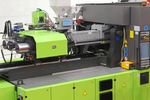
Factory automation refers to the use of machines, control systems, sensors, software, robotics, and production equipment to perform manufacturing activities with limited manual intervention. It can be applied to individual machines, connected workstations, complete production lines, warehouses, inspection areas, and material-handling operations.
Context
The concept developed from the gradual mechanization of manufacturing. Early factories relied heavily on manual operations, while mechanical equipment later introduced powered movement and repeatable production tasks. Electrical controls, programmable systems, computers, industrial robots, and digital communication subsequently expanded the range of activities that could be automated.
Modern factory automation can combine physical equipment with software-based control. A sensor may detect the position of a component, a controller can process that information, and an actuator or robot can respond according to programmed instructions. These activities can occur continuously as part of a coordinated production process.
Automation exists in many forms. A small machine may use a few sensors and a programmable controller, while a larger production environment can connect robots, conveyors, inspection equipment, controllers, databases, and manufacturing software.
Main elements of factory automation
A factory automation system normally contains several interconnected elements. Their exact configuration depends on the manufacturing process, production volume, materials, and required level of control.
Common elements include:
- Sensors for detecting position, temperature, pressure, movement, presence, or other conditions
- Actuators that create physical movement or control mechanical processes
- Programmable logic controllers for executing control instructions
- Human-machine interfaces for displaying information and allowing operator interaction
- Industrial robots for handling, assembly, welding, packaging, and other repeatable activities
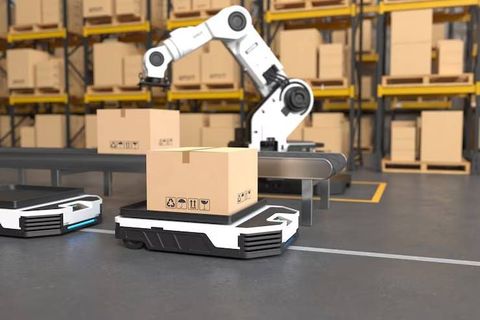
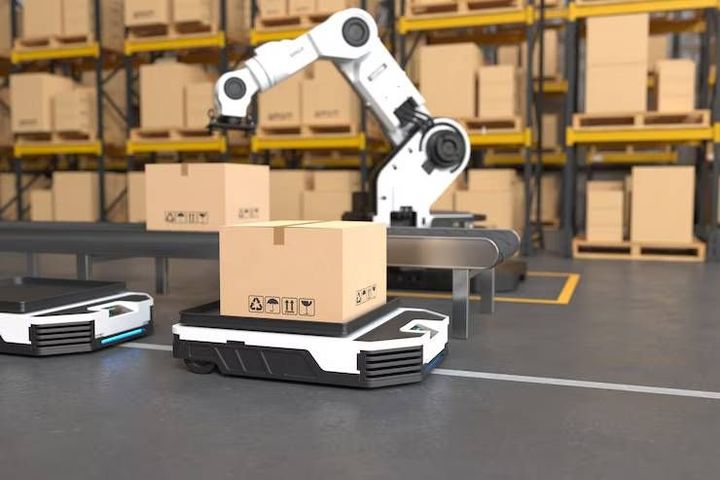
- Conveyors and material-handling equipment for moving components between workstations
- Machine-vision systems for inspection, identification, measurement, and positioning
- Industrial networks for communication between equipment and control systems
- Manufacturing software for production information, monitoring, scheduling, and analysis
Production line structure
A production line is generally arranged as a sequence of operations. Materials enter at one point and move through several stages before becoming a finished product.
Automation can coordinate these stages so that equipment responds to information from other machines. For example, a sensor can detect when a component reaches a workstation, allowing a robot to perform the next programmed operation.
| Automation element | Main purpose | Typical application |
|---|---|---|
| PLC | Machine control | Sequencing and process control |
| Sensor | Data detection | Position, temperature, pressure |
| Robot | Automated movement | Assembly and material handling |
| Conveyor | Material movement | Transfer between stations |
| HMI | Operator interaction | Monitoring and machine settings |
| Vision system | Image-based inspection | Defect and position detection |
| Industrial network | Equipment communication | Data exchange between machines |
Importance
Factory automation matters because manufacturing processes often involve repeated movements, precise sequences, controlled operating conditions, and large amounts of production data. Automated equipment can perform programmed tasks repeatedly while allowing operators to supervise processes, manage exceptions, maintain equipment, and handle activities that require judgment.
Automation can also help manufacturers manage production complexity. A production line may contain dozens of machines that need to operate in a coordinated sequence. Control systems allow information from different parts of the line to be processed and used to control subsequent operations.
Effects on production processes
Automation can influence several parts of manufacturing:
- Production consistency can be supported through programmed sequences and controlled operating parameters.
- Process monitoring can provide information about machine conditions and production events.
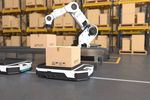
- Material handling can be coordinated through conveyors, automated guided vehicles, or robotic systems.
- Inspection can use cameras and sensors to identify defined characteristics.
- Traceability systems can associate production information with particular batches, components, or process stages.
Automation does not eliminate the need for people. Operators, technicians, engineers, supervisors, and other personnel remain involved in system setup, programming, maintenance, quality management, troubleshooting, process improvement, and safety procedures.
Levels of automation
Factories can use different levels of automation depending on their processes. A manually operated workstation may use only a few electronic controls, while a highly automated line may coordinate robots, machine vision, conveyors, sensors, and centralized production software.
Between these extremes are semi-automated systems. In such environments, machines may perform repetitive operations while people load materials, inspect certain results, adjust processes, or manage exceptions.
The appropriate level depends on factors such as process complexity, product variation, production requirements, available infrastructure, and the technical capabilities of the workforce.
Recent Updates
Factory automation has increasingly moved toward connected equipment, industrial data collection, robotics, machine vision, and software-based analysis. Rather than treating each machine as an isolated unit, manufacturers are increasingly connecting equipment so that production information can move between machines and higher-level systems.
Artificial intelligence and machine learning are also being incorporated into selected industrial applications. These technologies can be used for areas such as visual inspection, process analysis, anomaly detection, production planning, and equipment monitoring. Their effectiveness depends on data quality, system integration, application design, and appropriate validation.
Robotics and collaborative systems
Industrial robotics continues to expand beyond traditional fixed robotic cells. Robots can perform material handling, assembly, welding, painting, packaging, palletizing, and other repetitive operations.
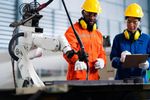
Collaborative robots, commonly called cobots, are designed for applications where people and robotic equipment may work in closer proximity under defined conditions. Their use still requires appropriate risk assessment, safeguarding, configuration, and operating procedures.
Industrial connectivity
Industrial Internet of Things technologies allow sensors, controllers, machines, and software platforms to exchange information. Ethernet-based industrial networks, wireless communication, edge computing, and cloud-connected platforms can support monitoring and analysis across different parts of a manufacturing environment.
Cybersecurity has consequently become an important part of factory automation. Connected production equipment can create additional digital communication paths, making network architecture, access management, software maintenance, and system monitoring relevant considerations.
Digital production systems
Digital twins and simulation tools are increasingly used to represent machines, processes, or production lines digitally. These models can support process analysis, equipment planning, layout studies, and virtual testing before changes are introduced into a physical environment.
The broader direction is toward integrated automation in which operational technology and information technology exchange data more closely. This can create new opportunities for analysis while also increasing the importance of system compatibility, data management, cybersecurity, and workforce skills.
Laws or Policies
Factory automation is affected by several categories of regulations and technical standards. Requirements vary according to the location, industry, machinery type, workplace conditions, and intended application, so a single regulatory framework does not apply to every automated factory.
Machine safety is a major area of regulation. Automated machinery may contain moving parts, electrical systems, high temperatures, pressure systems, cutting mechanisms, robotic motion, or other hazards. Applicable rules can require risk assessment, guarding, emergency controls, safety systems, operating procedures, and appropriate documentation.
International standards are also used to address machinery safety and industrial control systems. Standards associated with machine risk assessment, safety-related control systems, industrial robots, electrical equipment, and functional safety provide technical frameworks for system design and evaluation.
Cybersecurity has become increasingly relevant as production equipment becomes connected. Industrial control systems can be affected by unauthorized access, malicious software, incorrect configuration, or communication failures. Security frameworks commonly address areas such as network segmentation, access control, monitoring, backup procedures, and system maintenance.
Environmental requirements can also influence factory automation. Manufacturing facilities may need to manage energy consumption, emissions, waste, noise, hazardous materials, or other environmental factors according to applicable local rules.
Because requirements differ between jurisdictions and industries, regulatory compliance should be determined from the rules that apply to the specific equipment, facility, and manufacturing activity.
Tools and Resources
Several technical resources can help readers understand factory automation and its components.
Automation software
PLC programming environments, HMI development platforms, robot programming software, and industrial configuration tools are commonly used to create and manage automated processes. These tools allow engineers and technicians to configure control logic, monitor machine states, and test programmed sequences.
Simulation and digital modeling
Factory simulation software can represent production lines, machine movement, material flow, and workstation arrangements. These models can help examine how changes to a production process may affect throughput, equipment utilization, and material movement before physical modifications are made.
Technical standards and documentation
Equipment manuals, technical datasheets, wiring diagrams, control-system documentation, and applicable engineering standards provide important information about machine operation and integration.
Production monitoring tools
Manufacturing execution systems and industrial monitoring platforms can collect information from production equipment. Depending on the system, this information may include machine states, production quantities, process parameters, downtime events, and quality-related data.
Maintenance and diagnostic tools
Automation systems commonly include diagnostic functions that identify sensor states, communication problems, controller faults, or equipment conditions. Maintenance teams can use these records alongside physical inspections and manufacturer documentation when investigating problems.
FAQs
What is factory automation?
Factory automation is the use of machines, control systems, sensors, robotics, software, and communication technologies to perform and coordinate manufacturing activities with limited manual intervention.
What equipment is used in factory automation?
Factory automation equipment can include programmable logic controllers, industrial robots, conveyors, sensors, actuators, machine-vision systems, automated storage equipment, motors, drives, and human-machine interfaces. The equipment used depends on the production process.
How do factory automation control systems work?
A control system receives information from sensors or other devices, processes that information according to programmed logic, and sends instructions to equipment such as motors, valves, actuators, or robots. This creates a controlled sequence of manufacturing operations.
What is the role of robotics in factory automation?
Robotics can perform repeatable activities such as assembly, material handling, welding, packaging, palletizing, and inspection. Robot systems can also communicate with other production equipment so that movements occur as part of a coordinated process.
What are the benefits and challenges of automated production lines?
Automated production lines can support repeatable processes, machine monitoring, coordinated material movement, and systematic data collection. They can also introduce challenges involving system integration, maintenance, cybersecurity, workforce training, equipment compatibility, and safety management.
Conclusion
Factory automation combines equipment, control systems, robotics, sensors, software, and communication technologies to coordinate manufacturing activities. Modern systems increasingly emphasize connected machines, industrial data, robotics, machine vision, digital modeling, and cybersecurity. Automation can support repeatable production and process monitoring while still requiring people for supervision, maintenance, programming, safety, and decision-making. The design and operation of an automated production line depend on the manufacturing process, equipment configuration, applicable standards, and regulatory requirements.