Fabrication Equipment Insights: Cutting, Bending, Welding Machines and industry Applications
Fabrication equipment refers to machinery and tools used to shape, cut, join, form, and finish materials such as metals and alloys. Cutting machines, bending machines, welding machines, presses, drilling systems, and related equipment are commonly used in manufacturing, construction, infrastructure, transportation, energy, and general industrial production.
Context
Metal fabrication developed alongside advances in metalworking technology. Earlier processes relied heavily on manual tools and basic mechanical equipment, while modern fabrication can combine computer-controlled machinery, automated material handling, digital measurement, and programmable production systems.
The main purpose of fabrication equipment is to transform raw material into components with defined dimensions and shapes. Different machines perform different operations, and a production process may involve several stages before a component reaches its required form.
For example, a sheet-metal component may first be cut from a larger sheet, then formed with a bending machine, and finally joined to another component through welding. The sequence depends on the material, design, dimensions, production method, and required characteristics of the finished component.
Main categories of fabrication equipment
Fabrication equipment can be grouped according to the operation it performs. Cutting systems remove material, forming equipment changes its shape, and welding equipment joins separate pieces.
Common categories include:
- Cutting machines for separating sheets, plates, tubes, profiles, and other materials
- Bending machines for forming sheet and plate into specific angles or shapes
- Welding machines for joining compatible materials
- Presses for forming, punching, stamping, or shaping components
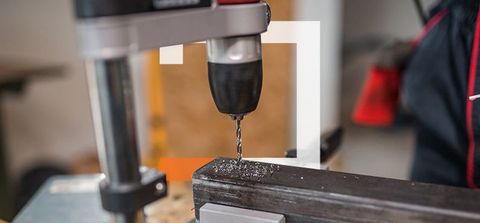
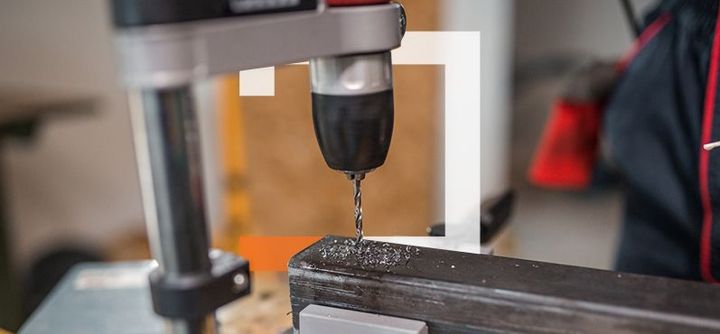
- Drilling and machining equipment for creating holes and defined features
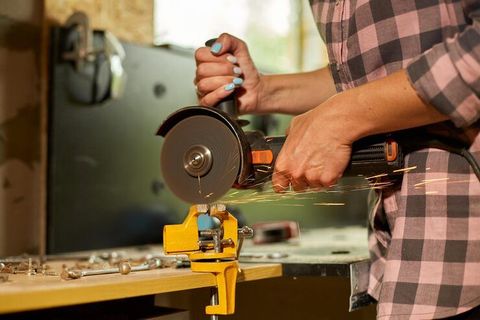
- Finishing equipment for cleaning, grinding, deburring, or preparing surfaces
Each category contains different machine designs, operating methods, and automation levels.
Importance
Fabrication equipment plays an important role in converting engineering designs into physical components. The equipment selected for a particular process can influence dimensional consistency, production workflow, material handling, energy use, and the amount of manual work required.
The subject is relevant to manufacturers, fabrication workshops, construction-related industries, equipment producers, engineers, technicians, and people researching how metal components are produced.
Cutting machines
Cutting is often one of the initial stages of fabrication. The objective is to separate material according to specified dimensions or profiles.
Different cutting technologies are suited to different materials and thickness ranges. Common approaches include mechanical shearing, plasma cutting, oxy-fuel cutting, abrasive cutting, and laser cutting.
The selection depends on factors such as:
- Material type
- Material thickness
- Required profile
- Dimensional requirements
- Production volume
- Surface and edge characteristics
- Available automation
Computer-controlled cutting systems can follow digital design information and produce repeated shapes with limited manual intervention. However, correct material preparation, machine setup, tooling, and process parameters remain important.
Bending machines
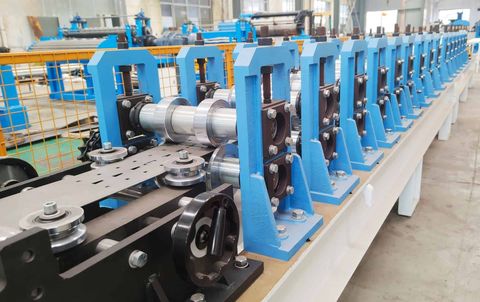
Bending machines form sheet or plate by applying controlled force. Press brakes are widely associated with sheet-metal forming and can produce angles, channels, folds, and other profiles.
Modern bending equipment may incorporate programmable controls, digital measurement systems, automatic tooling adjustments, and sensors. These features can help operators manage repeatable production sequences.
The final result can depend on material properties, thickness, tooling geometry, bend angle, bend allowance, and machine configuration. A design therefore needs to account for the characteristics of the material and the selected forming process.
Welding machines
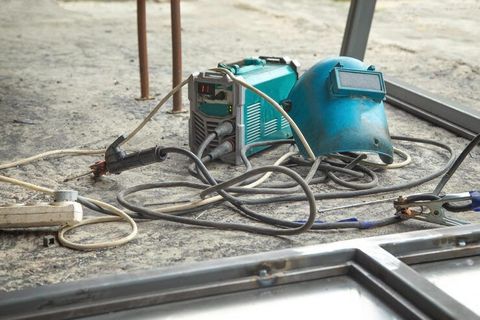
Welding joins materials by creating a connection between components through heat, pressure, or a combination of both. Several welding processes are used across fabrication environments.
Examples include:
- Gas metal arc welding
- Gas tungsten arc welding
- Shielded metal arc welding
- Flux-cored arc welding
- Resistance welding
The appropriate process depends on the material, component geometry, joint design, thickness, production environment, and required properties of the finished joint.
Welding also involves heat, electrical energy, fumes, and other workplace hazards. Appropriate equipment configuration, ventilation, protective measures, and operator training are therefore important parts of a fabrication environment.
Comparing major fabrication machines
| Equipment | Primary operation | Common materials | Typical applications |
|---|---|---|---|
| Laser cutting machine | Material separation | Sheet and plate metals | Profiles, panels, components |
| Plasma cutting machine | Thermal cutting | Conductive metals | Plate and structural components |
| Press brake | Bending and forming | Sheet and plate | Brackets, enclosures, panels |
| Welding machine | Joining | Compatible metals | Frames, assemblies, structures |
| Shearing machine | Straight cutting | Sheet metal | Blanks and rectangular sections |
| Punch press | Punching and forming | Sheet metal | Holes, patterns, formed parts |
The table provides a general overview rather than a specification for a particular machine. Actual applications vary according to machine configuration and material characteristics.
Recent Updates
Fabrication technology has increasingly incorporated automation, digital controls, connected equipment, and data collection. From 2024 through 2026, these developments have continued to influence how manufacturers organize cutting, bending, welding, inspection, and material-handling processes.
Automation and digital controls
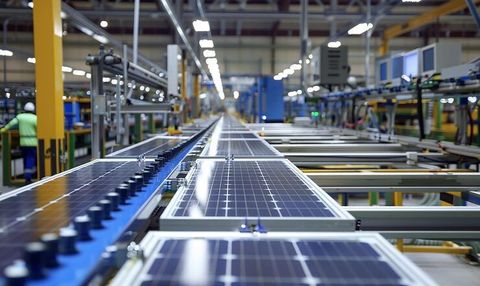
Modern fabrication systems may connect machine controls with production planning and digital design information. Computer numerical control can allow cutting and forming equipment to follow programmed sequences based on digital instructions.
Automated material loading and unloading is also becoming more common in production environments where repeated handling is required. Robotics can be integrated with welding, cutting, and material movement processes.
Advanced cutting technology
Laser cutting continues to develop through improvements in power management, beam control, automation, and process monitoring. Plasma systems have also evolved through improvements in torch technology and automated cutting controls.
The appropriate technology still depends on the material and application. A higher level of automation does not eliminate the need for appropriate process selection or inspection.
Automated welding
Robotic welding systems can repeat programmed movements and maintain consistent process sequences under controlled conditions. They are particularly relevant where the same joint geometry is produced repeatedly.
Human operators remain important for setup, programming, inspection, maintenance, process supervision, and situations where component variation requires adjustment.
Connected fabrication systems
Industrial equipment is increasingly capable of collecting operational information such as machine status, production counts, alarms, and process parameters. When integrated appropriately, this information can help production teams understand equipment utilization and identify process interruptions.
Digital monitoring should be treated as an information tool rather than a substitute for physical inspection or appropriate technical judgment.
Laws or Policies
Fabrication environments are influenced by workplace safety requirements, machinery regulations, electrical safety provisions, environmental controls, and technical standards. The exact legal requirements depend on the country, industry, equipment type, and workplace conditions.
Because requirements differ between jurisdictions, a general article should not treat one regulatory framework as applicable everywhere. Businesses normally need to identify the rules that apply to their particular location and operating environment.
General safety considerations
Fabrication machinery can involve moving components, sharp material, heat, electrical energy, compressed gases, fumes, noise, and stored mechanical energy. Equipment design and workplace procedures therefore commonly address hazards through measures such as:
- Machine guarding
- Emergency stopping arrangements
- Electrical protection
- Safe material handling
- Ventilation and extraction
- Personal protective equipment
- Operator training
- Equipment inspection and maintenance
- Lockout and isolation procedures where applicable
International technical standards can provide structured approaches for machinery safety, risk assessment, welding equipment, electrical systems, and other technical subjects. Standards should not automatically be treated as legislation because their legal status varies by jurisdiction.
Equipment documentation should also clearly identify operating limitations, required maintenance procedures, safety information, and applicable technical specifications.
Tools and Resources
Fabrication planning can involve digital design software, material calculators, measurement tools, machine-control software, maintenance records, and technical documentation.
Design and planning tools
Computer-aided design software is commonly used to create component drawings and three-dimensional models. These designs can provide dimensions, angles, hole positions, bend information, and other details needed during fabrication planning.
For sheet-metal work, bend calculations can help account for material behavior during forming. The actual calculation method depends on material properties, tooling, machine configuration, and the selected forming process.
Machine documentation
Technical manuals and equipment documentation can provide information about operating procedures, machine limitations, maintenance intervals, tooling, electrical requirements, and safety precautions.
For fabrication equipment, documentation is particularly useful because machine specifications alone may not describe every operating condition.
Inspection and measurement tools
Fabrication quality can be evaluated using measurement equipment such as calipers, micrometers, gauges, squares, height gauges, and coordinate measurement systems.
The appropriate instrument depends on the dimension and tolerance being examined. Measurement records can also help production teams identify recurring dimensional variations.
Production planning resources
Digital production-management systems can organize work orders, material information, machine availability, inspection records, and production data. These systems can connect different stages of a fabrication workflow and provide a structured record of production activities.
FAQs
What is fabrication equipment?
Fabrication equipment includes machines and tools used to cut, bend, form, join, drill, shape, and finish materials. Cutting machines, press brakes, welding machines, shearing equipment, and presses are common examples.
What types of cutting machines are used in fabrication?
Fabrication can use laser, plasma, oxy-fuel, abrasive, and mechanical cutting technologies. The appropriate method depends on factors such as material type, thickness, required profile, dimensional requirements, and production process.
How do bending machines work in metal fabrication?
Bending machines apply controlled force to change the shape of sheet or plate material. Press brakes are commonly used to create angles, folds, channels, and other formed profiles.
What types of welding machines are used in fabrication?
Common welding equipment supports processes such as gas metal arc welding, gas tungsten arc welding, shielded metal arc welding, flux-cored arc welding, and resistance welding. Process selection depends on material, joint design, thickness, and production conditions.
What safety factors are important when using fabrication equipment?
Important considerations include machine guarding, electrical protection, ventilation, material handling, appropriate protective equipment, operator training, equipment inspection, and safe isolation procedures. Specific requirements depend on the equipment and workplace environment.
Conclusion
Fabrication equipment encompasses a broad range of technologies used for cutting, bending, welding, forming, drilling, and finishing materials. Modern systems increasingly combine computer controls, automation, robotics, digital design, and equipment monitoring with established fabrication processes. Safe operation also requires appropriate machine design, workplace controls, training, maintenance, and attention to applicable requirements. The selection and use of fabrication equipment ultimately depend on material characteristics, component design, production conditions, and the intended fabrication process.