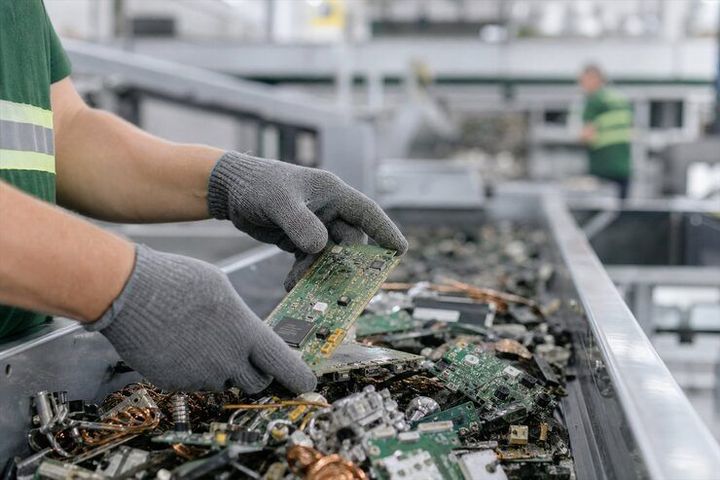
Explore E-Waste Recycling: Machinery, Technologies, Processes and Recovery Methods
E-waste recycling refers to the collection, processing, dismantling, and recovery of materials from discarded electrical and electronic equipment. E-waste can include computers, mobile devices, televisions, printers, cables, circuit boards, household appliances, batteries, and other equipment containing electrical or electronic components.
Context
Electronic products contain a mixture of materials. Metals such as copper, aluminium, iron, and small quantities of precious metals can occur alongside plastics, glass, ceramics, and other substances. Some equipment can also contain components that require controlled handling because they may contain hazardous substances.
The growth of electronics has created a need for organized methods to separate these materials after equipment reaches the end of its useful life. E-waste recycling machinery and processing technologies are designed to make this separation more systematic.
A typical e-waste recycling process can involve collection, inspection, dismantling, size reduction, sorting, separation, material recovery, and residue management. The exact sequence depends on the type of electronic equipment being processed.
Main categories of e-waste
E-waste is not a single material stream. Different products require different handling and processing approaches.
Common categories include:
- Information and communication equipment such as computers, phones, routers, and printers
- Consumer electronics such as televisions, audio equipment, and cameras
- Large and small household electrical appliances
- Electrical cables and wiring
- Printed circuit boards and electronic components
- Batteries and equipment containing battery systems
- Lighting equipment and related electrical components
The composition of each category affects the machinery, separation technology, and recovery methods used during processing.
How an e-waste recycling line works
An industrial recycling line can combine mechanical and specialized technologies. A basic material flow may look like this:
Collection → Inspection → Dismantling → Shredding → Screening → Magnetic Separation → Eddy Current Separation → Density or Air Separation → Material Recovery
Not every facility uses every stage. Some electronics are dismantled manually before mechanical processing, while other material streams may require additional separation technologies.
Importance
E-waste recycling matters because discarded electronics contain both recoverable materials and components that require appropriate handling. Processing these products can separate useful material fractions from unwanted residues and reduce the amount of electronic equipment entering uncontrolled disposal routes.
The issue affects households, businesses, manufacturers, repair operations, collection organizations, and recycling facilities. As electronic equipment becomes part of everyday life, the management of discarded devices becomes an important part of material-resource planning.
Materials recovered from e-waste
A processed electronic waste stream can contain several material fractions. The actual composition varies considerably according to the equipment being processed.
| Material | Common source | Typical separation approach |
|---|---|---|
| Ferrous metals | Frames, housings, motors | Magnetic separation |
| Aluminium | Housings, heat sinks, components | Eddy current separation |
| Copper | Cables, motors, circuit boards | Cable separation and mechanical processing |
| Plastics | Casings and components | Screening and material sorting |
| Glass | Displays and certain equipment | Controlled dismantling and sorting |
| Circuit-board materials | Electronic equipment | Manual sorting and specialized recovery |
| Batteries | Portable and electronic equipment | Separate collection and controlled processing |
Recovery does not mean that every material can be separated at the same stage. Material purity, particle size, product composition, and contamination can influence the processing sequence.
Challenges in e-waste recycling
E-waste is difficult to process because products are designed for different functions and contain many materials in compact assemblies. A single device may contain metals, plastics, glass, adhesives, circuit boards, batteries, and other components.
Some challenges include:
- Mixed material composition
- Small and densely integrated components
- Batteries requiring separate handling
- Dust generated during mechanical processing
- Different material densities
- Contamination between recovered fractions
- Need for controlled handling of certain components
These factors make process design an important part of e-waste recycling.
Recent Updates
From 2024 through 2026, e-waste management has increasingly focused on higher material recovery, improved traceability, product design, and technologies that can process increasingly complex electronic products.
One important development is the growing use of automated sorting. Optical systems, sensor-based sorting, artificial intelligence, robotics, and data-based classification methods are being explored to identify materials and components more efficiently within mixed waste streams.
Advances in recycling machinery
Modern e-waste recycling machinery can combine several mechanical operations. Shredders reduce the size of equipment, granulators create smaller particles, screens separate materials by particle size, and magnetic or eddy-current systems separate particular metal fractions.
Some facilities are also using sensor technologies to identify materials according to characteristics such as composition, colour, density, or electromagnetic response. These technologies can complement conventional mechanical separation.
Battery handling
Battery-containing electronics have received increasing attention because batteries can create safety and processing challenges when they are damaged or incorrectly handled.
Processing systems may therefore include dedicated identification, removal, storage, and treatment stages for batteries. The appropriate method depends on the battery chemistry, physical condition, equipment type, and applicable requirements.
Chemical and hydrometallurgical recovery
Mechanical separation is often followed by more specialized processes when higher-value materials need additional treatment. Hydrometallurgical methods use controlled chemical solutions to separate selected metals from prepared material.
Pyrometallurgical methods use high-temperature processing for certain material streams. These technologies require specialized equipment and environmental controls, and their suitability depends on the feedstock and recovery objective.
Design for recycling
Another broader trend is greater attention to product design. Electronics designed with easier disassembly, identifiable materials, replaceable components, and fewer difficult-to-separate combinations can simplify later processing.
This approach connects manufacturing decisions with end-of-life material recovery.
Laws or Policies
E-waste recycling is shaped by environmental, waste-management, workplace-safety, and hazardous-material rules. Requirements vary substantially between jurisdictions, so a general description cannot replace the regulations applicable to a particular facility.
International policy discussions increasingly emphasize extended producer responsibility, collection systems, environmentally sound treatment, and documentation of electronic waste flows.
The European Union's Waste Electrical and Electronic Equipment framework establishes requirements for the collection, treatment, recovery, and environmentally sound disposal of electrical and electronic equipment. The EU has also introduced broader circular-economy measures affecting electronics and batteries. (European Commission)
Internationally, the Basel Convention controls certain transboundary movements of hazardous wastes and their disposal. Its framework is relevant to electronic waste when shipments contain materials falling within applicable hazardous-waste controls. (Basel Convention)
India also has an electronic-waste regulatory framework based on the E-Waste (Management) Rules and subsequent amendments. The framework includes extended producer responsibility and requirements relating to registered entities and electronic-waste processing. The current requirements should be checked against the applicable government notifications and rules before making compliance decisions. (Central Pollution Control Board)
Why regulatory classification matters
Electronic waste may contain ordinary recyclable materials as well as components subject to specific controls. Therefore, classification, storage, transportation, treatment, documentation, and residue management can all be affected by the applicable regulatory framework.
Facilities processing e-waste generally need to consider environmental protection, worker safety, fire prevention, pollution controls, and the handling of materials that require specialized treatment.
Tools and Resources
Several resources can help readers understand e-waste recycling machinery, material recovery, and regulatory developments.
E-waste composition references
Technical reports from environmental organizations can provide information about electronic waste generation, material composition, collection, and recovery. The United Nations Institute for Training and Research and the International Telecommunication Union publish research related to global electronic waste trends. (Global E-waste Monitor)
Recycling process diagrams
Process-flow diagrams are useful for understanding how individual machines connect within an e-waste recycling line. A typical diagram may identify dismantling, shredding, screening, magnetic separation, eddy-current separation, air separation, and final sorting stages.
Material identification tools
Facilities may use weighing systems, metal identification equipment, particle-size analysis, moisture measurements, and sensor-based sorting technologies. These tools help characterize incoming material and monitor separated fractions.
Regulatory databases
Government environmental agencies and international organizations provide regulatory information, technical documents, and guidance. These sources are useful when examining requirements for electronic waste transportation, treatment, storage, or material recovery.
Process monitoring
Industrial recycling operations can also use digital monitoring systems to track throughput, equipment status, material fractions, and maintenance information. Data collection can help operators understand how changes in feedstock affect processing performance.
FAQs
What is e-waste recycling?
E-waste recycling is the controlled processing of discarded electrical and electronic equipment to separate recoverable materials and manage remaining components appropriately. The process can involve dismantling, shredding, screening, sorting, and specialized material recovery.
What machinery is used in e-waste recycling?
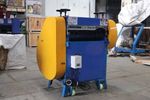
Common e-waste recycling machinery includes dismantling equipment, shredders, granulators, vibrating screens, magnetic separators, eddy-current separators, air classifiers, cable-processing equipment, and specialized sorting systems. The equipment combination depends on the material being processed.
How does e-waste recycling recover metals?
Metal recovery can begin with dismantling and mechanical size reduction. Magnetic separation can remove ferrous metals, while eddy-current systems can separate certain non-ferrous metals. Additional physical, chemical, or thermal processes may be used for more complex material fractions.
What happens to circuit boards during e-waste recycling?
Circuit boards are commonly separated from other components during dismantling. Depending on the processing system, they may undergo mechanical preparation followed by specialized metal-recovery processes designed for their complex material composition.
Why are batteries separated from e-waste?
Batteries can present different handling and processing requirements from ordinary electronic components. Separating them helps facilities direct battery-containing materials toward processing methods appropriate for their chemistry and physical condition.
Conclusion
E-waste recycling combines collection, dismantling, mechanical separation, sorting, and specialized recovery methods to process discarded electronic equipment. Machinery such as shredders, screens, magnetic separators, and eddy-current systems can separate different material fractions, while chemical and thermal technologies may be used for more complex recovery stages. Recent developments increasingly focus on automation, battery handling, material identification, traceability, and product designs that support later recycling. Regulations and processing requirements vary by jurisdiction and depend on the materials and equipment involved.