Explore Coffee Roasting Machines With Advanced Heating Systems and Process Details
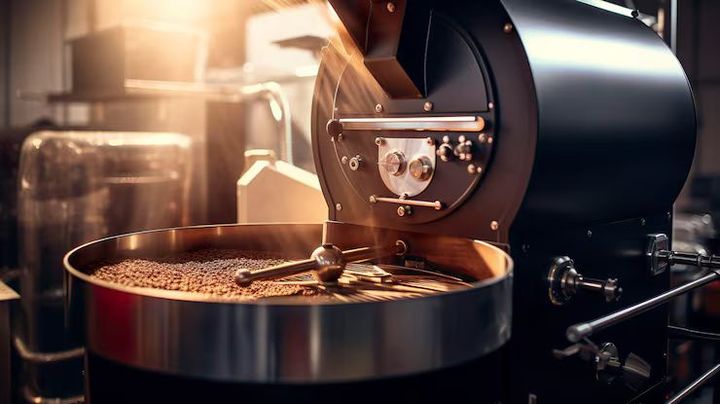
Coffee roasting machines are industrial or commercial systems designed to heat green coffee beans and transform them into roasted beans with controlled color, aroma, flavor, and texture. Roasting has existed for centuries, beginning with relatively simple heating methods and gradually developing into equipment with drums, airflow controls, temperature sensors, burners, and automated controls.
Modern coffee roasting machines are available in different capacities and configurations. Small systems can process limited batches for cafés and specialty operations, while larger industrial machines can handle continuous or high-volume production. Despite differences in size, most systems follow the same basic principle: green beans are exposed to controlled heat while air movement and roasting time are managed.
How the Roasting Process Works
Coffee roasting involves several physical and chemical changes. Green beans contain moisture and organic compounds that react as temperature rises. During heating, moisture is released, the beans expand, their color changes, and aromatic compounds develop.
A typical roasting cycle includes several stages:
- Preheating prepares the roasting chamber and equipment.
- Charging introduces green beans into the heated system.
- Drying removes much of the bean's initial moisture.
- Browning develops color and contributes to aroma formation.
- First crack occurs as pressure inside the beans causes audible cracking.
- Development continues to shape the final roast characteristics.
- Cooling rapidly lowers bean temperature and limits continued roasting.
The exact temperature profile depends on the bean variety, batch size, equipment design, and desired roast profile.
Main Types of Coffee Roasting Machines
Coffee roasting machines can use different heating and airflow arrangements. Common configurations include drum roasters, fluid-bed or hot-air roasters, and continuous roasting systems.
Drum roasters move beans through a rotating heated chamber. Fluid-bed systems use heated air to suspend and circulate beans. Continuous machines are designed for larger production environments where roasting takes place through a controlled, ongoing process.
Importance
Why Controlled Roasting Matters
Coffee roasting requires careful heat management because excessive or insufficient heating can affect the physical and sensory properties of the beans. A roasting machine provides a controlled environment where operators can monitor temperature, airflow, time, and other process variables.
Consistent control is particularly important when multiple batches need similar characteristics. Variations in heat transfer, airflow, bean quantity, or cooling can produce differences between batches.
Who Uses Coffee Roasting Equipment
Coffee roasting machines are used across several parts of the coffee industry. Their applications include:
- Specialty coffee roasting
- Commercial coffee production
- Café-based roasting
- Research and product development
- Small-scale roasting facilities
- Large-scale packaged coffee production
- Educational and training environments
The appropriate machine configuration depends on production volume, available space, energy source, automation requirements, and the level of process control required.
Advanced Heating Systems
Heating technology is one of the central components of modern coffee roasting machines. Common heating methods include gas burners, electric heating elements, and systems that combine direct and indirect heat transfer.
Gas heating can provide rapid thermal response, while electric systems allow precise control through electronic temperature management. Some machines use heat exchangers to separate combustion gases from the roasting environment.
Modern systems may also use multiple sensors to measure different points in the roasting process. These measurements can be displayed through a digital control interface, allowing operators to track changes throughout a batch.
Airflow and Heat Transfer
Heat is transferred to coffee beans through conduction, convection, radiation, or combinations of these methods. Airflow plays an important role because it influences heat distribution, smoke movement, chaff removal, and the interaction between hot air and beans.
A controlled airflow system can help maintain stable roasting conditions. Excessive airflow can remove heat too rapidly, while insufficient airflow can affect temperature distribution and smoke management.
Recent Updates
Automation and Digital Controls
From 2024 through 2026, coffee roasting equipment has continued moving toward greater automation and process monitoring. Digital interfaces are increasingly used to display bean temperature, environmental temperature, airflow, burner output, and roasting time.
Automated controls can also store roasting profiles. This allows an operator to compare previous batches and adjust process parameters based on recorded information rather than relying entirely on manual observation.
Energy Efficiency
Energy management has become an important development area for roasting equipment. Manufacturers are increasingly incorporating improved insulation, heat recovery, burner controls, and airflow management to reduce unnecessary heat loss.
Some systems capture heat from exhaust air and redirect it into the roasting process. Heat recovery can improve thermal efficiency while also helping manage exhaust conditions.
Data-Based Roast Profiling
Roast profiling software has become more closely integrated with roasting machines. A profile can contain information about temperature progression, time, airflow, and heating intensity.
A typical profile may track:
| Process Variable | Purpose |
|---|---|
| Bean temperature | Tracks the thermal progression of beans |
| Environmental temperature | Indicates chamber conditions |
| Roasting time | Measures duration of each stage |
| Airflow | Controls heat movement and exhaust |
| Burner or heater output | Adjusts heating intensity |
| Cooling time | Determines how quickly roasting is stopped |
Connected monitoring systems can make this information easier to record and compare across batches.
Emissions and Exhaust Management
Modern roasting equipment also places greater attention on exhaust treatment. Roasting produces smoke, odors, chaff, and particulate matter, particularly during darker roasting profiles.
Equipment may incorporate cyclones, filtration systems, afterburners, or other exhaust-management technologies depending on the design and local environmental requirements. These systems help manage emissions generated during roasting.
Laws or Policies
Food Safety Requirements
Coffee roasting is part of food processing, so commercial operations generally need to follow applicable food safety and hygiene requirements. Specific rules vary according to the country, region, facility type, and distribution model.
Important areas commonly covered by food regulations include sanitation, equipment cleanliness, contamination prevention, storage conditions, traceability, packaging, and worker hygiene.
Environmental Requirements
Roasting machines can produce exhaust gases, particulate matter, smoke, and odors. Environmental authorities in many jurisdictions regulate emissions from commercial or industrial equipment.
Requirements can depend on production capacity, fuel type, operating location, and local air-quality rules. Larger roasting facilities may therefore need specific emissions controls or environmental permits.
Workplace Safety
Roasting equipment operates at high temperatures and can contain rotating components, electrical systems, pressurized gas, or heated surfaces. Workplace safety requirements commonly address machine guarding, ventilation, fire prevention, electrical safety, emergency controls, and operator training.
Businesses should check the regulations applicable to their location and equipment configuration before installation or operation.
Tools and Resources
Roast Profiling Software
Roast profiling applications help record temperature curves and process variables. They can be used to compare batches and document changes in roasting behavior.
Temperature Measurement Equipment
Thermocouples, infrared sensors, temperature probes, and data loggers can provide information about roasting conditions. Sensor selection depends on the machine design and measurement location.
Moisture and Density Tools
Green coffee moisture meters can measure moisture content before roasting. Density measurements can also help characterize green beans and compare different batches.
Coffee Industry Resources
Industry associations, technical training platforms, equipment manuals, roasting templates, and educational publications provide information about roasting theory and machine operation. Documentation supplied with a roasting machine is particularly useful for understanding its heating system, airflow controls, maintenance requirements, and operating limits.
Roast Record Templates
A simple roast record can include:
- Bean origin or batch identification
- Green bean weight
- Charge temperature
- Roasting duration
- First-crack time
- Development period
- Final temperature
- Cooling duration
- Airflow settings
- Heating adjustments
- Observations about the finished roast
Keeping consistent records can make it easier to understand how process changes influence different batches.
FAQs
What are coffee roasting machines used for?
Coffee roasting machines heat green coffee beans under controlled conditions to develop their color, aroma, flavor, and physical characteristics. Different machine designs are used for small, commercial, and industrial production.
How do advanced heating systems work in coffee roasting machines?
Advanced heating systems regulate how thermal energy reaches the beans. Depending on the machine, heat may be generated through gas burners or electric elements and transferred through conduction, convection, radiation, or a combination of these methods.
What is roast profiling in coffee roasting machines?
Roast profiling is the practice of recording and controlling variables such as temperature, time, airflow, and heating intensity during a roasting cycle. Digital systems can store these parameters for comparison between batches.
Why is airflow important in a coffee roasting machine?
Airflow influences heat transfer, exhaust movement, smoke removal, and chaff separation. Proper airflow control helps maintain suitable roasting conditions throughout the process.
What regulations apply to coffee roasting machines?
Requirements vary by location and operation. Commercial roasting facilities may need to follow food safety, workplace safety, fire prevention, ventilation, and environmental emissions requirements applicable to their jurisdiction.
Conclusion
Coffee roasting machines combine controlled heating, airflow, temperature monitoring, and cooling to transform green beans into roasted coffee. Modern equipment increasingly incorporates automation, digital roast profiling, energy management, and exhaust controls. Understanding machine types and process stages helps explain how roasting conditions influence the final product. Food safety, environmental, and workplace requirements are also important considerations for commercial and industrial roasting operations.