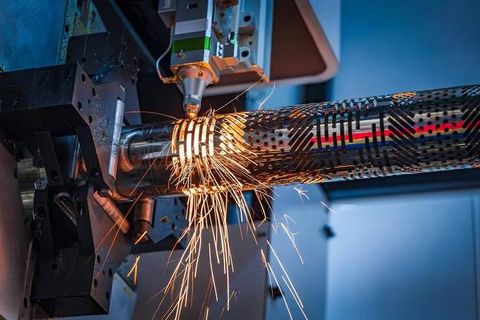
Explore Cloud Connected Machinery With Real-Time Data, Predictive Maintenance, and Automation
Cloud connected machinery combines physical equipment with internet connectivity, sensors, software, and cloud computing. This approach allows machines to collect operating information and transfer selected data to digital systems where it can be stored, analyzed, and viewed remotely.
Traditional machines generally depend on local controls, manual inspections, and information displayed directly on the equipment. Modern connected machinery can continuously capture information such as temperature, vibration, pressure, energy consumption, production speed, operating hours, and equipment status. This creates a digital record that can help people understand how machinery behaves during normal operation.
How cloud connected machinery works
A connected machine usually contains sensors and control components that measure physical conditions. A communication gateway or built-in connectivity system then transfers selected information through a secure network to a cloud environment.
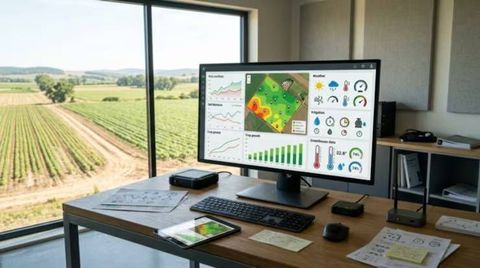
The cloud platform can organize the information into dashboards, reports, alerts, and analytical models. Depending on the equipment and software configuration, users may view current machine conditions, compare historical readings, identify unusual patterns, and monitor multiple machines from a centralized interface.
The basic process can be summarized as:
- Sensors collect machine information.
- Controllers process operating signals.
- Connectivity systems transfer selected data.
- Cloud platforms store and organize information.
- Analytics identify patterns and unusual conditions.
- Dashboards present information for human review.
- Automation systems can respond to defined operating conditions.
From connected equipment to intelligent machinery
The development of connected machinery has followed broader changes in industrial computing. Earlier automation focused mainly on controlling individual machines or production stages. Industrial networking later enabled equipment to exchange information across facilities.
Cloud computing expanded this capability by allowing information to be accessed through centralized digital systems. Machine learning and advanced analytics have further increased the ability to identify patterns in equipment behavior without relying only on fixed thresholds.
This progression has created a broader concept often associated with Industry 4.0, where physical equipment, software, sensors, networks, and data systems operate as connected parts of an industrial environment.
Importance
Cloud connected machinery matters because equipment performance can change continuously during operation. A machine may gradually develop abnormal vibration, increasing temperature, inconsistent pressure, or unusual energy consumption before a visible failure occurs. Continuous monitoring can make these changes easier to identify than occasional manual inspection alone.
The technology affects manufacturers, facility operators, maintenance teams, engineers, production planners, and organizations that operate equipment across multiple locations. It can also affect workers indirectly because clearer equipment information can support planning and operational decision-making.
Why real-time data matters
Real-time data provides a current view of machine conditions. Instead of relying entirely on periodic readings, connected equipment can transmit selected measurements at defined intervals or when specific events occur.
Examples of commonly monitored information include:
| Machine Data | What It Can Indicate | Typical Use |
|---|---|---|
| Temperature | Heat changes | Condition monitoring |
| Vibration | Mechanical changes | Equipment analysis |
| Pressure | Process variation | Process monitoring |
| Energy usage | Consumption patterns | Efficiency analysis |
| Operating hours | Equipment utilization | Maintenance planning |
| Production rate | Output changes | Process management |
| Error codes | Control abnormalities | Fault investigation |
| Motor current | Load variation | Electrical monitoring |
Real-time information does not automatically mean that a machine will diagnose every problem. Data quality, sensor placement, connectivity, software configuration, and human interpretation all influence the usefulness of monitoring.
Predictive maintenance and equipment health
Predictive maintenance uses equipment data to identify patterns that may indicate developing problems. Instead of relying exclusively on fixed maintenance intervals, organizations can analyze actual operating conditions alongside historical information.
For example, a rotating machine may normally operate within a particular vibration range. If vibration gradually changes while temperature and motor load also shift, analytical software may identify the pattern for further examination.
Predictive maintenance can involve several techniques:
- Vibration analysis for rotating equipment.
- Thermal monitoring for heat-related changes.
- Electrical measurements for motors and control systems.
- Pressure monitoring for fluid or pneumatic equipment.
- Historical trend analysis for recurring abnormalities.
- Machine learning models for pattern recognition.
The purpose is primarily to provide information that supports maintenance planning. It does not eliminate the need for inspections, technical assessment, or appropriate maintenance procedures.
Automation and connected decision-making
Cloud connected machinery can also interact with automation systems. Data from sensors may be combined with programmable controllers, industrial networks, robotic systems, or production software.
For example, if a machine reaches a predefined operating threshold, an automation system may record the event, trigger an alert, adjust a permitted process parameter, or place equipment into a defined safe state. The exact response depends on the machine design and control architecture.
Human oversight remains important, particularly where equipment changes can affect physical safety, production quality, or other machinery.
Recent Updates
Between 2024 and 2026, cloud connected machinery has continued moving toward more integrated data environments. Industrial organizations increasingly combine machine data with enterprise systems, analytics platforms, digital twins, edge computing, and artificial intelligence.
Edge computing and cloud integration
Edge computing has become an important part of connected machinery architectures. Instead of transferring every raw measurement to a distant cloud platform, some processing can occur near the machine.
This can reduce unnecessary data transmission and support rapid responses where low latency matters. Cloud systems can then receive selected information for long-term analysis, reporting, fleet monitoring, and broader operational visibility.
Artificial intelligence for machine monitoring
Artificial intelligence is increasingly being incorporated into industrial analytics. AI-based systems can examine large amounts of historical and real-time information to identify relationships that may be difficult to recognize through simple threshold rules.
The quality of the results depends heavily on the quality and quantity of available data. Poor sensor calibration, incomplete records, changing machine configurations, and unusual operating conditions can affect analytical accuracy.
Digital twins and equipment simulation
Digital twins are another growing area within connected machinery. A digital twin represents aspects of a physical machine or process within a digital environment.
When connected to current equipment information, a digital representation can help teams compare expected and actual operating behavior. More advanced systems may also support simulation and scenario analysis before physical changes are introduced.
Stronger focus on cybersecurity
Greater connectivity also increases the importance of industrial cybersecurity. Connected machinery can involve operational technology networks, cloud accounts, remote access systems, software interfaces, and data exchanges.
Common cybersecurity practices include:
- Access control and user authentication.
- Network segmentation.
- Software and firmware management.
- Encryption where appropriate.
- Activity monitoring and logging.
- Backup and recovery planning.
- Security assessment of connected devices.
Cybersecurity requirements can vary according to the machinery, industry, data involved, and applicable jurisdiction.
Laws or Policies
Cloud connected machinery operates across several regulatory areas rather than one universal rule. Requirements may involve industrial safety, data protection, cybersecurity, electrical equipment, communications, environmental controls, and sector-specific requirements.
Data protection considerations
If machinery systems collect information connected to identifiable individuals, data protection rules may become relevant. Organizations may need to consider how information is collected, stored, transferred, retained, and accessed.
Machine-generated operational data that contains no identifiable personal information may be treated differently from employee-related information or other personal records. The applicable requirements depend on the jurisdiction and nature of the information.
Industrial cybersecurity policies
Many industrial environments are adopting stronger cybersecurity frameworks and risk-management practices. These can address network protection, access management, incident response, software security, and operational technology controls.
Organizations operating connected machinery may need documented procedures covering who can access machine data, how remote connections are managed, and how security incidents are handled.
Machinery and workplace safety
Connectivity does not replace established machinery safety requirements. Equipment must still be designed, installed, operated, inspected, and maintained according to applicable rules and technical requirements.
Automated actions should also be evaluated for their effect on people and surrounding equipment. Safety controls should remain independent where required by the machinery's design or applicable regulations.
Because requirements differ between jurisdictions and industries, organizations generally need to identify the rules that apply to their specific equipment and operating environment.
Tools and Resources
Several categories of digital tools can support cloud connected machinery projects. The appropriate combination depends on equipment type, data requirements, connectivity architecture, and operational goals.
Monitoring dashboards
Cloud dashboards organize information such as temperature, pressure, vibration, machine status, alarms, and operating hours. They can provide current readings alongside historical trends.
Industrial IoT platforms
Industrial Internet of Things platforms connect equipment, sensors, gateways, and analytical applications. They can help organize information from different machine types within a common digital environment.
Predictive maintenance software
Predictive maintenance tools analyze equipment histories and sensor readings. Some systems use statistical analysis, while others incorporate machine learning to identify unusual operating patterns.
Digital twin platforms
Digital twin tools represent physical equipment or processes digitally. They can be used for visualization, simulation, condition analysis, and operational studies.
Data analysis tools
Spreadsheet applications, databases, industrial historians, statistical software, and visualization platforms can help users examine machine information. Data quality checks are important before drawing conclusions from collected measurements.
Connectivity and security resources
Industrial network monitoring tools, device-management platforms, identity controls, and cybersecurity assessment frameworks can help organizations manage connected equipment securely.
FAQs
What is cloud connected machinery?
Cloud connected machinery is equipment that uses sensors, communication technologies, and cloud-based software to collect, transfer, store, and analyze operating information. It can provide remote visibility into machine conditions and performance.
How does real-time data support predictive maintenance?
Real-time data allows equipment conditions to be monitored continuously or at defined intervals. Changes in vibration, temperature, pressure, electrical readings, or other measurements can be compared with historical patterns to identify conditions that may require investigation.
Can cloud connected machinery automate maintenance decisions?
Connected systems can generate alerts, schedule maintenance activities, or interact with predefined automation workflows. However, complex maintenance decisions may still require technical inspection and human evaluation.
What are the cybersecurity risks of connected machinery?
Connected machinery can introduce risks involving unauthorized access, insecure networks, outdated software, weak authentication, or poorly controlled remote connections. Appropriate access controls, network protection, monitoring, and security management can help address these risks.
What is the difference between IoT and cloud connected machinery?
IoT refers broadly to connected physical devices that exchange data. Cloud connected machinery is a specific industrial application in which machines use connectivity and cloud computing to monitor equipment, analyze information, coordinate processes, or support automation.
Conclusion
Cloud connected machinery brings together sensors, industrial equipment, networking, cloud computing, analytics, predictive maintenance, and automation. Real-time data can provide a clearer view of equipment conditions, while historical information can support maintenance planning and operational analysis. Developments in edge computing, artificial intelligence, digital twins, and cybersecurity are expanding the capabilities of connected industrial environments. The technology continues to develop alongside changing technical standards, safety requirements, data rules, and industrial practices.