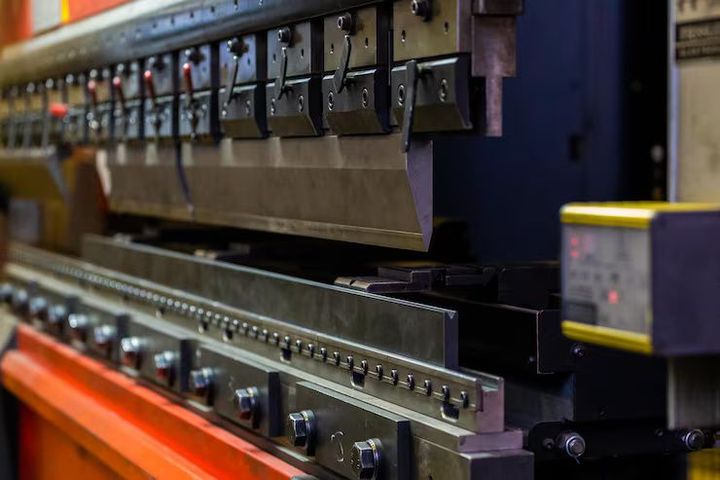
Electrical Panel Fabrication Machines Guide With Precision Engineering and Automation
Electrical panel fabrication machines are specialized tools and production systems used to prepare, cut, drill, punch, bend, mark, and assemble components used in electrical control panels and distribution enclosures. Modern electrical panel fabrication combines mechanical processing with electrical design, automation, measurement, and quality-control practices.
Traditional panel fabrication often relied on manual measuring, marking, drilling, cutting, and bending. As panel designs became more complex, manufacturers began using dedicated machines to improve dimensional consistency and reduce repetitive manual work. Today, electrical panel fabrication machines can range from compact workshop equipment to computer-controlled production systems.
Common equipment includes busbar processing machines, CNC drilling machines, hydraulic punching systems, wire processing equipment, laser marking systems, enclosure modification machines, and automated panel assembly equipment. The appropriate equipment depends on panel size, material, production volume, required accuracy, and the type of electrical components being installed.
Electrical panel fabrication machines are used in industrial facilities, commercial buildings, energy infrastructure, automation projects, transportation systems, and manufacturing plants. Their purpose is not limited to faster production; accurate fabrication also helps components fit correctly and supports organized electrical layouts.
Main Types of Fabrication Equipment
Different stages of panel manufacturing require different machines. A typical production workflow can include:
- Sheet metal cutting machines for preparing enclosure panels and mounting plates
- CNC drilling machines for accurately positioned holes
- Hydraulic punching machines for openings and component mounting
- Busbar cutting and bending machines for copper or aluminum conductors
- Wire cutting and stripping machines for electrical conductors
- Cable processing machines for repetitive wire preparation
- Laser marking equipment for identification and traceability
- Automatic screwdriving systems for selected assembly operations
- CNC machining centers for complex enclosure modifications
These machines may operate individually or as connected production cells. Computer numerical control, commonly called CNC, allows programmed movements to be repeated with consistent positioning.
How Electrical Panel Fabrication Works
The process generally begins with an electrical design and mechanical layout. Engineers determine component locations, cable routes, mounting positions, enclosure dimensions, and conductor arrangements before fabrication begins.
The design information can then be transferred to production equipment. Machines process the enclosure, mounting plate, busbars, or wires according to specified dimensions. After machining, technicians inspect the components before assembly and electrical testing.
This combination of digital design and physical fabrication is an important part of modern electrical panel manufacturing. It helps connect engineering information with production activities while reducing unnecessary manual measurements.
Importance
Electrical panels contain many components in a limited physical area. Circuit breakers, contactors, relays, terminals, power supplies, control devices, communication equipment, and protective components must be positioned carefully.
Poorly prepared mounting holes, incorrect dimensions, damaged conductors, or badly formed busbars can create assembly difficulties. Accurate fabrication equipment helps address these challenges by producing repeatable physical features.
Who Uses These Machines
Electrical panel fabrication machines can be relevant to several groups:
- Panel manufacturers producing control and distribution assemblies
- Industrial automation companies developing machine-control panels
- Electrical contractors preparing customized enclosures
- Manufacturing plants maintaining internal electrical equipment
- Engineering teams developing standardized panel designs
- Equipment manufacturers integrating electrical controls into machinery
The level of automation varies according to production requirements. A small workshop may use separate cutting, drilling, bending, and wire-processing equipment, while a large production facility may integrate multiple processes through software and automated handling.
Accuracy and Repeatability
Precision engineering is particularly important when many panels use similar designs. A CNC drilling machine, for example, can reproduce programmed hole positions across multiple mounting plates.
Busbar processing also benefits from controlled cutting, punching, and bending. Correct dimensions can simplify installation and help maintain intended electrical clearances.
| Machine Type | Primary Function | Common Material or Component |
|---|---|---|
| CNC Drilling Machine | Creates accurately positioned holes | Steel, aluminum, mounting plates |
| Hydraulic Punching Machine | Produces openings and holes | Sheet metal, enclosure panels |
| Busbar Processing Machine | Cuts, punches, and bends conductors | Copper, aluminum |
| Wire Processing Machine | Cuts and prepares wires | Electrical cable |
| Laser Marking Machine | Adds identification marks | Panels, labels, components |
| CNC Sheet Metal Machine | Shapes enclosure parts | Steel, stainless steel, aluminum |
| Automatic Screwdriving System | Repetitive fastening | Panel assemblies |
Production and Workplace Considerations
Automation can reduce repetitive measuring and physical handling, but machines still require appropriate setup, inspection, maintenance, and operator training. Safety procedures are particularly important around cutting tools, punches, rotating equipment, electrical systems, and automated movement.
Machine selection also involves practical factors such as workspace, material thickness, programming requirements, tooling compatibility, maintenance access, and integration with existing production processes.
Recent Updates
From 2024 through 2026, electrical panel fabrication has continued moving toward greater digital integration. One notable trend is the connection between electrical design software and manufacturing equipment, allowing engineering information to flow more directly into fabrication processes.
Digital Manufacturing
Modern production environments increasingly use digital files to define drilling locations, cutting patterns, wire lengths, terminal information, and component positions. This reduces the need to recreate design information manually during fabrication.
Machine-control software has also become more accessible. Touchscreen interfaces, programmable tooling, digital measurement systems, and automated setup functions can simplify operation for trained users.
Automation and Smart Production
Automation is expanding beyond individual machines. Some facilities combine CNC processing with material handling, barcode identification, production tracking, and inspection systems.
Data collection is another growing area. Production equipment can record machine status, processing quantities, errors, and maintenance information. When integrated appropriately, this information can help production teams understand workflow performance.
Compact and Flexible Equipment
There is also continuing interest in equipment that can perform several operations in a smaller production area. Multi-function busbar processing machines and integrated wire-processing systems can reduce the number of separate production steps.
Computer-controlled equipment is increasingly used where repeatability is important. However, manual tools remain relevant for small production runs, modifications, maintenance work, and situations where highly automated equipment would not be practical.
Laws or Policies
Electrical panel fabrication is influenced by electrical safety rules, machinery requirements, workplace regulations, and technical standards. The exact requirements depend on the country, application, equipment type, and intended installation environment.
Electrical Requirements
Panel construction commonly needs to account for issues such as insulation, conductor sizing, short-circuit protection, grounding or earthing, enclosure characteristics, component ratings, and electrical clearances.
Standards organizations publish technical requirements covering low-voltage assemblies, electrical equipment, machinery, and related components. Manufacturers and engineering teams normally determine which standards apply to a particular installation.
Machinery and Workplace Safety
Fabrication equipment may also be subject to machinery safety requirements. Guarding, emergency stopping, electrical isolation, operator protection, and appropriate instructions can be important considerations.
Because regulatory frameworks differ between jurisdictions, businesses should verify the applicable requirements for their location and application. This article provides general information rather than professional regulatory or engineering advice.
Tools and Resources
Several digital and physical resources can support electrical panel fabrication planning. Electrical design software can help create schematics, component layouts, wiring information, and cabinet documentation.
Design and Planning Tools
Useful resources may include:
- Electrical CAD software for schematic and panel-layout development
- CAD systems for enclosure and mounting-plate drawings
- Wire-length calculation tools
- Busbar dimensioning and layout tools
- Electrical load calculation software
- Component databases and digital libraries
- Production templates for drilling and machining patterns
- Maintenance documentation and equipment manuals
Calculation tools can help organize dimensions, conductor information, enclosure layouts, and production requirements. However, calculated results should be checked against applicable technical requirements and project specifications.
Fabrication Documentation
Clear documentation is important when several machines and production stages are involved. Typical records can include machine programs, drilling layouts, cutting lists, wire schedules, assembly drawings, inspection checklists, and revision histories.
Digital documentation can also help maintain consistency when a panel design changes. Revision control makes it easier to distinguish current production information from older drawings.
FAQs
What are electrical panel fabrication machines?
Electrical panel fabrication machines are equipment used to prepare enclosure panels, mounting plates, busbars, wires, and related components. They can perform operations such as cutting, drilling, punching, bending, stripping, marking, and fastening.
Which electrical panel fabrication machines are commonly used?
Common equipment includes CNC drilling machines, hydraulic punching machines, busbar processing machines, wire-processing equipment, CNC sheet metal equipment, and laser marking systems. The required combination depends on the panel design and production process.
How does CNC technology help electrical panel fabrication?
CNC technology uses programmed movements to control machining operations. In electrical panel fabrication, it can help maintain consistent drilling, cutting, punching, and positioning across repeated components.
What should be considered when selecting electrical panel fabrication machines?
Important considerations include material type, material thickness, panel dimensions, production volume, required accuracy, available workspace, software compatibility, tooling, operator training, maintenance requirements, and applicable safety rules.
Are automated electrical panel fabrication machines suitable for every manufacturer?
Not necessarily. Automation can be useful for repetitive and standardized production, while manual or semi-automatic equipment may be more practical for small quantities, customized work, or occasional modifications.
Conclusion
Electrical panel fabrication machines combine precision engineering, mechanical processing, and automation to support the preparation of modern electrical assemblies. Equipment such as CNC drilling systems, busbar processors, wire-processing machines, and sheet metal machinery addresses different stages of panel production. Recent developments increasingly connect digital electrical designs with automated manufacturing and production data. Applicable electrical, machinery, and workplace requirements should always be considered according to the specific installation and jurisdiction.