Electric Vehicle Charging Infrastructure Information With Installation, Power Systems, and Technical Details
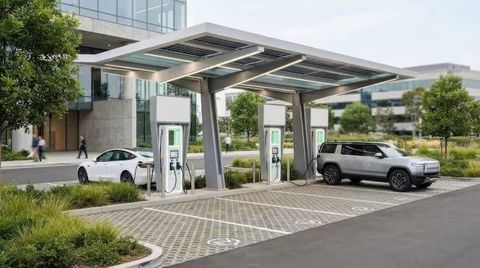
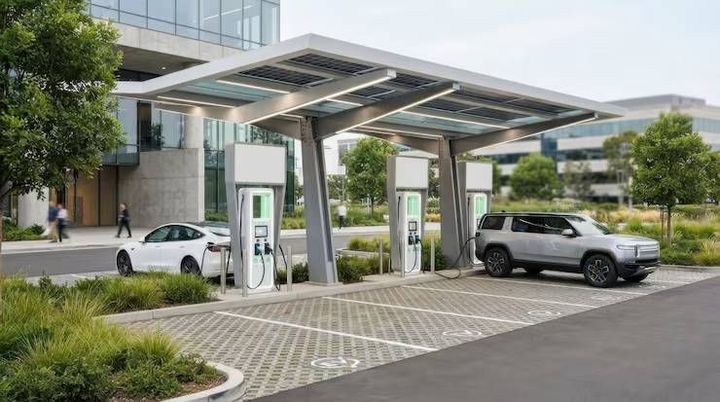
Electric vehicle charging infrastructure refers to the network of equipment, electrical connections, power systems, and digital technologies used to recharge electric vehicles. It includes residential EV chargers, workplace charging points, public charging stations, highway charging facilities, and high-capacity charging hubs.
This infrastructure supports electric cars, buses, commercial vehicles, two-wheelers, and other battery-powered transportation systems.
The development of electric vehicle charging infrastructure began alongside the gradual introduction of modern battery-powered vehicles. As electric mobility expanded, the need for accessible charging facilities became increasingly important. Traditional fuel stations were designed for vehicles using liquid fuels, whereas electric vehicles require compatible charging equipment connected to an electrical supply.
Modern EV charging infrastructure combines electrical engineering, power distribution, battery technology, communication networks, and energy management systems. These components work together to transfer electricity safely from the grid or an alternative energy source into a vehicle's battery.
Main Components of EV Charging Infrastructure
An electric vehicle charging network contains several interconnected components:
Charging stations: Physical locations where electric vehicles connect to charging equipment.
EV charging equipment: Devices that control electricity transfer between the power supply and vehicle.
Power distribution systems: Electrical infrastructure that distributes electricity to charging points.
Charging connectors: Plugs and connection systems designed for different vehicle charging standards.
Energy management systems: Technologies that monitor electricity consumption and manage charging loads.
Communication platforms: Digital systems that provide charging information, equipment monitoring, and payment processing.
Types of Electric Vehicle Charging Systems
EV charging systems are generally classified according to their power output and charging technology.
AC charging: Alternating current charging is commonly used in homes, offices, residential buildings, and parking facilities. The vehicle's onboard charger converts AC electricity into direct current for battery storage.
DC fast charging: Direct current charging supplies converted electricity directly to the vehicle battery. These systems generally operate at higher power levels and are commonly installed at highways, transport hubs, and commercial charging locations.
Wireless charging: Wireless EV charging transfers electrical energy through electromagnetic induction without requiring a conventional charging cable. This technology is being developed for residential parking, commercial fleets, and selected transport applications.
Importance
Electric vehicle charging infrastructure plays an important role in the transition towards electric transportation. The availability of reliable charging facilities influences vehicle usability, travel planning, transportation operations, and electricity network development.
As more electric vehicles enter everyday transportation, charging infrastructure becomes relevant to vehicle owners, property developers, manufacturers, electricity providers, fleet operators, and urban planners.
Supporting Everyday Transportation
Residential charging allows vehicle owners to recharge their vehicles while parked at home. Workplace charging provides additional opportunities to replenish battery energy during working hours.
Public charging stations support drivers who cannot access private charging facilities or need electricity during longer journeys.
Supporting Commercial and Industrial Transportation
Electric buses, delivery vehicles, logistics fleets, and industrial transportation equipment require organized charging arrangements. Fleet charging infrastructure helps coordinate vehicle availability, charging schedules, and electricity consumption.
Large transportation facilities may use multiple charging points connected to centralized electrical distribution systems.
Reducing Charging Accessibility Challenges
Limited charging availability can create difficulties for electric vehicle users, particularly in apartment buildings, rural locations, and highway corridors.
Developing additional charging facilities can address several challenges:
Limited access to residential charging.
Long-distance travel planning difficulties.
High electricity demand during peak periods.
Compatibility differences between charging connectors.
Electrical capacity limitations in older buildings.
Equipment reliability and network connectivity problems.
Supporting Electricity Network Development
Large charging installations introduce additional electrical demand. Distribution networks, transformers, switchgear, and protection equipment must be designed to handle the expected load.
Smart charging technologies can distribute electricity demand across different periods, helping reduce unnecessary pressure on local electrical networks.
Recent Updates
Electric vehicle charging infrastructure continues to develop through improvements in charging technology, electrical standards, battery systems, and digital communication. Developments during 2024–2026 have increasingly focused on interoperability, charging capacity, network reliability, and renewable energy integration.
Expansion of High-Power Charging Technology
High-power DC charging equipment is becoming an important part of highway and commercial charging infrastructure. These systems are designed to support vehicles with compatible battery architectures and charging capabilities.
However, actual charging speed depends on several factors, including battery temperature, vehicle charging limits, battery condition, and available electrical power.
Development of Charging Communication Standards
Charging networks increasingly use communication protocols to exchange information between vehicles, chargers, and management platforms.
Standards such as ISO 15118 support communication between compatible vehicles and charging equipment. They also provide a technical foundation for features such as automated authentication and bidirectional energy communication.
Smart Charging and Energy Management
Smart charging systems monitor electricity demand and adjust charging schedules according to available electrical capacity.
Important developments include:
Dynamic load management for multiple charging points.
Remote monitoring of charging equipment.
Automated charging schedules.
Integration with solar power systems.
Electricity demand management.
Digital monitoring of charging performance.
Vehicle-to-Grid Technology
Vehicle-to-Grid (V2G) technology allows compatible electric vehicles to transfer stored electricity back into the electrical grid.
This approach may help support electricity network balancing when vehicles, charging equipment, communication systems, and grid arrangements are designed for bidirectional power transfer.
Vehicle-to-Home (V2H) technology similarly allows compatible vehicle batteries to supply electricity to selected household electrical systems.
Renewable Energy Integration
Solar-powered EV charging facilities are receiving increased attention. Solar panels can generate electricity for charging operations, while battery storage systems can store energy for later use.
Combining renewable electricity, stationary batteries, and smart charging equipment can improve energy management at suitable locations.
Laws or Policies
Electric vehicle charging infrastructure is influenced by electricity regulations, electrical safety requirements, building standards, equipment certification, and transportation policies. These requirements differ between countries and regions, so installation procedures must follow the rules applicable to the project location.
Electrical Safety and Installation Requirements
Charging installations generally require compliance with relevant electrical codes and technical standards.
Important considerations include:
Proper earthing and grounding arrangements.
Circuit breakers and overcurrent protection.
Residual current protection.
Suitable cable insulation and capacity.
Protection against electrical faults.
Weather-resistant equipment for outdoor installations.
Emergency isolation arrangements.
Appropriate ventilation and fire safety provisions where required.
Charging Equipment Standards
Technical standards help establish compatibility and safety requirements for EV charging equipment.
Commonly referenced standards and protocols include:
Standard or Protocol | Main Application |
|---|---|
IEC 61851 | Conductive EV charging systems |
IEC 62196 | Charging plugs and connectors |
ISO 15118 | Vehicle-to-charger communication |
CCS | Combined AC and DC charging interface |
CHAdeMO | DC charging technology |
OCPP | Communication between chargers and management platforms |
The applicable standard depends on the vehicle, charger type, electrical system, and local regulatory framework.
Government Policies and Infrastructure Planning
Many governments support electric mobility through charging infrastructure programmes, public charging development, building regulations, and electricity network improvements.
Policy frameworks may address:
Public charging station installation.
Residential and commercial charging facilities.
Highway charging network development.
Technical equipment requirements.
Electricity tariffs for charging installations.
Renewable energy integration.
Charging accessibility in public buildings.
In India, for example, the Ministry of Power issued the Guidelines for Installation and Operation of Electric Vehicle Charging Infrastructure in 2024. The framework addresses private, semi-public, and public charging installations, along with electricity distribution and infrastructure development.
The PM E-DRIVE programme also includes funding provisions for public EV charging infrastructure development.
Tools and Resources
Several technical tools and digital platforms help engineers, installers, property managers, and electric vehicle users understand charging requirements.
EV Charging Time Calculators
Charging time calculators estimate the time required to recharge a vehicle based on battery capacity, current battery level, charger power, and charging efficiency.
A simplified calculation is:
Charging Time = Energy Required (kWh) ÷ Charging Power (kW)
Actual charging time may differ because of battery temperature, charging losses, power limitations, and battery management systems.
Electrical Load Calculators
Electrical load calculators help estimate the total electricity demand of multiple charging stations.
They are useful when planning charging installations in apartment complexes, office buildings, parking facilities, and commercial properties.
Charging Network Applications
Mobile applications and digital charging platforms help users locate charging stations, check connector compatibility, view charging availability, and monitor charging sessions.
Some platforms also provide route planning based on vehicle range and charging station locations.
Technical Design and Monitoring Platforms
Engineers use electrical design software, load analysis tools, and energy management platforms to plan charging installations.
Common technical resources include:
Electrical single-line diagrams.
Power distribution calculations.
EV charging load schedules.
Equipment specification sheets.
Electrical protection coordination studies.
Charger monitoring dashboards.
Renewable energy management software.
These resources help coordinate equipment selection, installation planning, and operational monitoring.
FAQs
What Is Electric Vehicle Charging Infrastructure?
Electric vehicle charging infrastructure includes charging stations, electrical connections, power distribution equipment, charging connectors, and digital management systems used to recharge electric vehicles.
What Are the Different Types of EV Charging Stations?
The main types are AC charging stations, DC fast charging stations, and wireless charging systems. They differ in power delivery methods, equipment requirements, and charging capabilities.
How Does EV Charging Infrastructure Installation Work?
Installation generally involves site assessment, electrical load calculations, equipment selection, power connection planning, protective equipment installation, and electrical safety testing. The process depends on the installation location and applicable regulations.
What Is the Difference Between AC and DC EV Charging?
AC charging supplies alternating current, which the vehicle's onboard charger converts into direct current. DC charging equipment performs this conversion externally and supplies DC electricity directly to the vehicle battery.
How Does Smart EV Charging Infrastructure Work?
Smart charging infrastructure uses connected chargers and energy management software to monitor electricity demand, control charging schedules, and distribute available power across multiple vehicles.
Conclusion
Electric vehicle charging infrastructure combines charging equipment, electrical distribution networks, communication technologies, and energy management systems. Its development supports residential transportation, commercial fleets, highway travel, and wider electric mobility adoption. Improvements in high-power charging, smart energy management, and renewable electricity integration are shaping modern charging networks. Electrical safety, equipment compatibility, and regulatory compliance remain important considerations for infrastructure planning and installation.