Dubai Homes Guide: Apartments, Villas, Townhouses, Communities and Lifestyle Features
A Dubai Homes Guide explains the different types of residential properties, including apartments, villas, townhouses, and planned residential communities, along with their facilities and lifestyle features. Dubai, part of the United Arab Emirates (UAE), has developed from a regional trading and coastal settlement into a major international center for business, tourism, and residential living. Population growth, infrastructure development, and international migration have contributed to a wide range of housing options across the city.
Context
A Dubai Homes Guide explains the different types of residential properties, including apartments, villas, townhouses, and planned residential communities, along with their facilities and lifestyle features. Dubai, part of the United Arab Emirates (UAE), has developed from a regional trading and coastal settlement into a major international center for business, tourism, and residential living. Population growth, infrastructure development, and international migration have contributed to a wide range of housing options across the city.
Dubai homes vary in size, design, location, ownership arrangements, and access to shared facilities. Some residents prefer apartments near public transport and business districts, while others choose villas or townhouses with outdoor areas and more private living space. Understanding these differences helps residents, families, and newcomers evaluate how a property fits their household needs and daily routines.
Main Types of Dubai Homes
Residential properties in Dubai serve different living arrangements and preferences.
Apartments: Units in multi-storey buildings, often with shared entrances, lifts, parking, and recreational facilities.
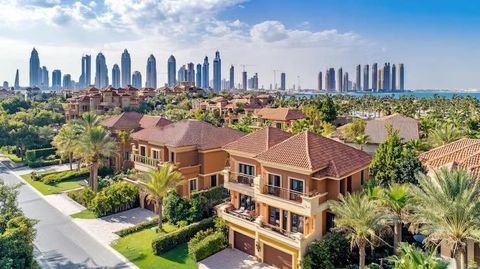
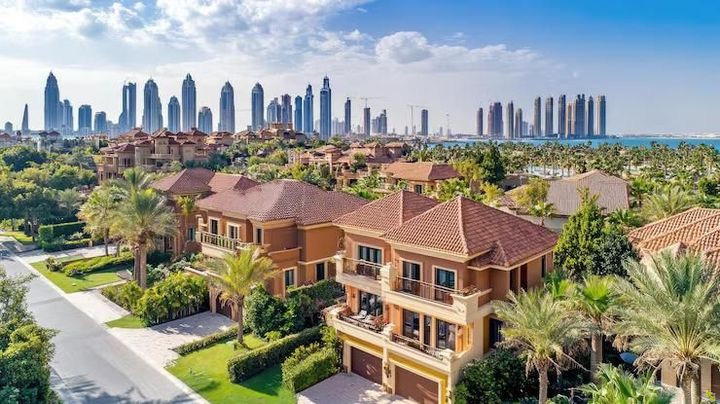
Villas: Individual houses that may include private gardens, terraces, garages, or swimming pools.
Townhouses: Multi-level homes that share one or more walls with neighboring properties and may include small outdoor areas.
Penthouses: Apartments on upper floors that may have larger layouts, terraces, or distinctive views.
Serviced residences: Furnished or partly furnished residential units with selected hospitality-related facilities, depending on the property.
Residential community homes: Properties within planned neighborhoods that may include parks, walking paths, retail areas, schools, and shared recreational spaces.
The facilities and layout of each property depend on its building design, location, age, management arrangements, and applicable rules.
Importance
Understanding Dubai homes matters to people relocating for work, studying, raising families, or planning an extended stay in the UAE. Housing affects daily travel, privacy, household routines, access to schools and healthcare, and the amount of time spent commuting. The choice of property also influences the responsibilities associated with maintenance, shared facilities, and community rules.
Dubai includes established urban districts, waterfront developments, suburban neighborhoods, and newer residential areas. These settings can provide very different daily experiences, even when properties have similar internal layouts.
Lifestyle Features and Community Facilities
Residential communities may include facilities intended to support recreation, convenience, and social interaction. Their availability varies, so residents should confirm which facilities belong to the property, which are shared, and whether access is subject to additional payments or restrictions.
Common features include:
Outdoor spaces: Parks, landscaped gardens, walking paths, and playgrounds.
Fitness and recreation: Swimming pools, gyms, sports courts, and cycling routes.
Family facilities: Nearby schools, childcare options, play areas, and community gathering spaces.
Transport connections: Metro stations, bus routes, major roads, and pedestrian access.
Daily essentials: Supermarkets, pharmacies, clinics, restaurants, and other neighborhood shops.
Building facilities: Parking areas, lifts, reception areas, waste collection, and controlled access.
A community with many shared facilities may have different maintenance arrangements from an independent villa. Residents should understand the applicable community rules and any associated responsibilities before selecting a home.
Comparing Dubai Property Types
| Property type | Typical layout | Main considerations |
|---|---|---|
| Apartment | One-level unit in a shared building | Floor area, parking, lifts, building rules |
| Villa | Independent or semi-independent house | Outdoor space, maintenance, privacy |
| Townhouse | Multi-level attached home | Stairs, shared walls, parking |
| Penthouse | Upper-floor apartment | Terrace access, layout, building facilities |
| Serviced residence | Furnished or partly furnished unit | Included facilities, contract terms |
| Community home | Property within a planned neighborhood | Shared amenities, rules, transport |
These categories can overlap. For example, a townhouse may be part of a gated community, while a penthouse may be located in a building within a larger mixed-use development.
Recent Updates
From 2024 through 2026, Dubai's residential landscape has continued to be influenced by population growth, new development projects, changing household needs, and demand for different types of accommodation. Apartments remain relevant for people seeking urban access, while villas and townhouses appeal to households looking for additional living space or outdoor areas. The balance between these preferences differs by neighborhood and household circumstances.
Smart Homes and Residential Technology
Some newer residential buildings and homes incorporate smart technology for lighting, temperature control, access management, and energy monitoring. Connected devices can allow residents to manage selected home functions through mobile applications or automated settings.
The availability of these features varies considerably. Residents should check which devices are installed, whether they require separate subscriptions, how personal information is handled, and whether systems remain usable if internet connectivity is interrupted.
Sustainability and Changing Housing Preferences
Energy efficiency and environmental design have become more visible in residential planning. Features may include efficient lighting, improved insulation, water-saving fixtures, shaded outdoor areas, and landscaping suited to the local climate. Actual performance depends on building design, equipment, maintenance, and household use.
Changing household arrangements also influence housing choices. Some residents prioritize proximity to workplaces and public transport, while others focus on home offices, family spaces, or access to recreational facilities. These are general trends rather than guarantees about future demand or property values.
Laws or Policies
Dubai's housing market is governed by UAE federal laws, Dubai-level legislation, and rules that apply to particular property types and transactions. The relevant requirements depend on whether a person is renting, purchasing, owning jointly, or living in a managed residential development.
Property Ownership and Foreign Residents
Foreign nationals may own property in designated freehold areas of Dubai, subject to applicable laws and registration requirements. Ownership rights and permitted arrangements depend on the location, title, and nature of the property. Not every area or property type is necessarily available under the same ownership conditions.
The Dubai Land Department oversees important aspects of real estate registration and regulation. Its official information can help residents understand property records, transaction procedures, and relevant regulatory requirements. Property-related fees, eligibility conditions, and documentation should be verified for the specific transaction.
Rental Agreements and Tenant Rights
Residential tenancy in Dubai is subject to applicable rental legislation and procedures. The Real Estate Regulatory Agency (RERA), operating under the Dubai Land Department, is involved in regulating the real estate sector. The Ejari system is used to register qualifying tenancy contracts in Dubai.
Rental agreements generally specify the property, rental amount, payment arrangements, contract duration, and responsibilities of the parties. Rules governing rent adjustments, termination, renewal, and disputes depend on the applicable legislation and circumstances. Tenants and landlords should retain written records and review the contract before signing.
Building Rules and Community Responsibilities
Apartments, villas, and townhouses may be subject to building management rules, owners' association arrangements where applicable, and community restrictions. These may cover parking, noise, renovations, pets, use of shared facilities, and maintenance responsibilities.
Residents should also understand utility account arrangements, applicable housing-related charges, and procedures for reporting maintenance issues. Official government information and the property's written documents are more reliable than informal statements when determining legal obligations.
Tools and Resources
Digital tools can help residents compare Dubai homes, understand neighborhoods, and organize property-related information. The usefulness of each resource depends on whether the person is renting, considering ownership, or researching a potential relocation.
Property Search and Official Information
The Dubai Land Department website provides information about real estate regulation, registration, and property-related procedures. Its official channels are useful for checking applicable rules and understanding the documentation involved in a transaction.
Property listing platforms, including Property Finder and Bayut, allow users to examine available apartments, villas, and townhouses. Listings may include floor plans, photographs, neighborhood details, and property features. Availability and listing accuracy can change, so important details should be independently verified.
Neighborhood and Transport Planning
Mapping applications can help estimate travel distances between a home, workplace, school, healthcare facility, and public transport stop. The Roads and Transport Authority (RTA) provides information about Dubai's public transport network, including metro and bus routes.
A household planning spreadsheet can record the following information:
Property type, location, and internal area.
Rental or ownership terms and applicable charges.
Distance to workplaces, schools, and transport.
Parking arrangements and available community facilities.
Maintenance responsibilities and building rules.
Contract dates, required documents, and important deadlines.
Comparing these factors in a consistent format can make differences between neighborhoods and property types easier to understand.
FAQs
What types of homes are available in Dubai?
Dubai has apartments, villas, townhouses, penthouses, serviced residences, and homes within planned residential communities. Layouts, facilities, ownership conditions, and neighborhood characteristics vary by property.
Which Dubai homes are suitable for families?
Apartments, villas, and townhouses may all suit families, depending on household size, layout, outdoor space, nearby schools, transport, and community facilities. Individual needs and the property's specific features determine suitability.
Can foreigners own homes in Dubai?
Foreign nationals may own property in designated freehold areas, subject to applicable rules and registration requirements. Eligibility and ownership conditions should be checked for the specific property and location.
How can residents compare Dubai apartments and villas?
Residents can compare internal space, privacy, outdoor areas, maintenance responsibilities, transport access, community facilities, and contract terms. The surrounding neighborhood is also important because it affects daily travel and access to essential amenities.
What official resources help with Dubai housing rules?
The Dubai Land Department provides real estate information, while the RTA publishes public transport information. Rental arrangements and property transactions should be checked against the relevant official rules and written documents.
Conclusion
Dubai homes include apartments, villas, townhouses, and other residential options with different layouts, facilities, and community settings. Location, transport, household needs, maintenance responsibilities, and shared amenities all influence everyday living. Property ownership and rental arrangements are subject to applicable Dubai and UAE regulations. Understanding these factors provides a clear overview of the city's residential choices and the practical considerations associated with them.