Italy Travel Guide: Popular Cities, Historic Landmarks, Local Food and Planning Factors
An Italy Travel Guide introduces travelers to the country's popular cities, historic landmarks, local food, regional traditions, and practical travel arrangements. Italy is located in southern Europe and includes a long peninsula extending into the Mediterranean Sea, along with islands such as Sicily and Sardinia. Its geography, history, architecture, and regional cultures contribute to a wide variety of travel experiences.
Context
An Italy Travel Guide introduces travelers to the country's popular cities, historic landmarks, local food, regional traditions, and practical travel arrangements. Italy is located in southern Europe and includes a long peninsula extending into the Mediterranean Sea, along with islands such as Sicily and Sardinia. Its geography, history, architecture, and regional cultures contribute to a wide variety of travel experiences.
Italy's cultural heritage reflects several historical periods, including ancient Rome, the medieval era, the Renaissance, and later European developments. Ancient structures, historic town centers, museums, churches, archaeological sites, and traditional food practices remain important parts of the country's identity. These features attract visitors interested in history, art, architecture, nature, shopping districts, and regional cuisine.
Travel planning in Italy often involves choosing destinations, arranging transport, understanding seasonal conditions, and learning about local customs. A journey may focus on one city or combine several regions, depending on the available time and personal interests. Understanding the differences between destinations helps travelers plan realistic routes and organize their activities.
Popular Cities in Italy
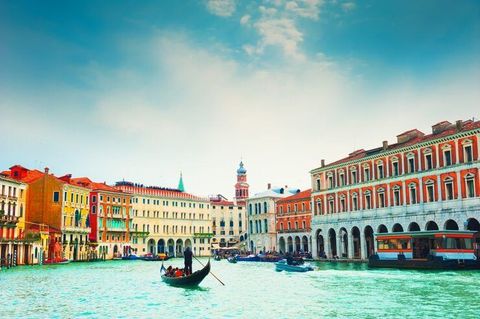
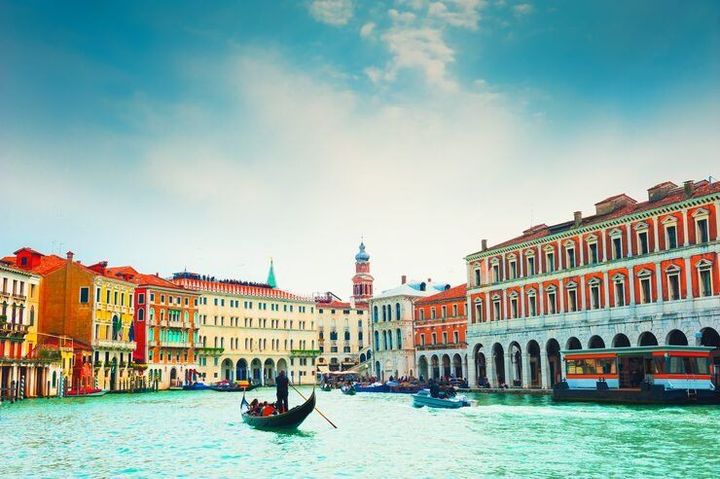
Italy's cities have distinct historical backgrounds and geographical settings. Rome contains major remains of the ancient Roman world, Florence is associated with Renaissance art, and Venice is known for its canals and historic buildings. Milan has an important role in business, fashion, and design, while Naples is associated with southern Italian culture, historic streets, and regional food traditions.
Other destinations include Bologna, known for its historic university and food culture; Turin, associated with industrial history and architecture; and Palermo, which reflects several Mediterranean cultural influences. Smaller towns in Tuscany, the Amalfi Coast, and the Italian Lakes region provide different settings for visitors interested in landscapes and local heritage.
Historic Landmarks and Cultural Heritage
Historic landmarks form a significant part of Italy's travel landscape. The Colosseum and Roman Forum in Rome help explain the political, social, and architectural history of ancient Rome. Florence contains Renaissance buildings and artworks, while Venice has historic palaces, churches, and waterways that reflect its maritime past.
Italy also contains archaeological areas, religious buildings, fortified towns, and historic landscapes beyond its major cities. Pompeii preserves evidence of Roman urban life, while the historic center of Siena illustrates medieval town planning. Several Italian cultural sites are recognized on the UNESCO World Heritage List.
Visiting these places can involve timed entry, security checks, walking on uneven surfaces, and restrictions on photography or access. Opening arrangements and visitor rules differ by site, so planning around individual requirements is an important part of the trip.
Importance
An Italy travel guide helps visitors understand how geography, transport, local customs, and regional differences influence a journey. Travelers may encounter language barriers, busy historic centers, seasonal crowds, unfamiliar transport systems, and different dining customs. Preparing for these conditions can make itineraries more manageable and reduce confusion during travel.
The information is relevant to families, solo travelers, couples, students, older visitors, and people traveling for cultural or business purposes. Each group may have different priorities, such as accessible routes, family accommodation, museum visits, regional food, or convenient connections between cities.
Transport and Route Planning
Italy has an extensive rail network connecting many major cities, including Rome, Florence, Milan, Bologna, and Naples. High-speed trains operate on important routes, while regional trains connect smaller towns and surrounding areas. Travel times depend on the route, train type, stops, and timetable.
Local transport options include buses, metro systems, trams, ferries, and water buses in locations where these are available. Rental cars may be useful for certain rural areas, but driving within historic city centers can be difficult because of restricted traffic zones and limited parking.
Travelers should account for the time required to reach stations, transfer between transport modes, and travel from stations to accommodation. An itinerary that includes too many distant destinations may leave little time for museums, meals, or exploring local neighborhoods.
Local Food and Dining Traditions
Italian cuisine varies considerably by region. Northern areas are associated with dishes such as risotto and polenta, while central Italy is known for preparations including pasta dishes and roasted meats. Southern regions feature ingredients such as tomatoes, olive oil, seafood, and locally produced cheeses, although recipes differ between towns and households.
Examples of regional foods include Neapolitan pizza in Naples, fresh pasta traditions in Bologna, risotto in parts of northern Italy, and cannoli in Sicily. These foods reflect local ingredients, historical influences, and established cooking practices rather than a single national menu.
Dining schedules and customs may differ from those in other countries. Some restaurants operate with separate lunch and evening opening periods, and table arrangements may vary by establishment. Travelers with dietary restrictions should communicate their needs clearly and confirm ingredients when necessary.
Comparing Italian Destinations
| Destination | Main travel interests | Planning considerations |
|---|---|---|
| Rome | Ancient landmarks, museums, historic churches | Walking distances, timed entry |
| Florence | Renaissance art, architecture, museums | Museum reservations, pedestrian areas |
| Venice | Canals, historic buildings, lagoon travel | Water transport, bridges, luggage |
| Milan | Design, shopping districts, business culture | Urban transport, event schedules |
| Naples | Archaeology, local cuisine, historic streets | Busy roads, regional connections |
| Bologna | Food traditions, historic university | Covered walkways, rail connections |
| Palermo | Markets, architecture, Sicilian culture | Heat, local transport, opening hours |
These descriptions provide a general overview rather than a complete account of each destination. Seasonal events, personal interests, and travel arrangements can influence which locations fit a particular itinerary.
Recent Updates
Travel in Italy continues to evolve through digital booking systems, visitor-management measures, transport changes, and growing attention to environmental pressures. From 2024 through 2026, several destinations have continued adjusting arrangements for high visitor numbers, while travelers increasingly use online tools to organize museum visits, train journeys, and accommodation.
Visitor Access and Crowd Management
Popular historic areas may introduce timed admission, reservation requirements, visitor limits at specific attractions, or local measures intended to manage crowding. Venice has also used an access-contribution system for certain day visitors on designated dates, with exemptions and procedures determined by the rules applicable to each period.
These measures do not apply uniformly across Italy. Requirements can change by municipality, site, season, and visitor category, making current official information important when planning a visit.
Digital Travel Planning
Digital rail tickets, online museum reservations, mobile maps, electronic payments, and travel-planning applications have become common tools for organizing journeys. Some museums and attractions use digital entry systems to manage visitor flows, while transport operators publish timetables and disruption notices online.
Travelers should still verify ticket conditions, identification requirements, and changes to schedules. Digital information can be outdated, and certain historic sites may have limited connectivity or special entry procedures.
Seasonal and Environmental Considerations
Summer temperatures, seasonal tourism, and pressure on popular destinations can affect travel comfort and local transport. Some travelers distribute their visits across smaller towns or travel during shoulder seasons to experience different conditions. Weather, regional events, and the operating schedules of attractions can influence the suitability of particular travel dates.
Laws or Policies
Travel in Italy is shaped by Italian law, European Union rules, local municipal regulations, and the entry requirements applicable to each traveler. Rules may cover immigration, accommodation registration, public transport, protected heritage sites, road use, and visitor access.
Entry Requirements and Tourist Accommodation
Italy is part of the Schengen Area. Visitors from outside the area may need a short-stay visa, depending on their nationality and circumstances, while other travelers may enter under applicable visa-exemption arrangements. Passport validity, permitted stay duration, and other entry conditions should be checked through official Italian or European government sources before departure.
Accommodation establishments may be required to collect guest information and report it to the relevant authorities under Italian rules. Travelers should be prepared to provide the requested identification at check-in. Tourist taxes may also apply in certain municipalities, with the amount and exemptions determined by local rules.
Historic Sites and Local Regulations
Museums, archaeological parks, churches, and protected landmarks can impose rules on photography, clothing, bags, food, or visitor movement. Some attractions require advance reservations or timed admission, while others operate under different access arrangements. Visitors are expected to follow posted instructions and protect historic structures and artifacts.
Certain Italian cities have restricted traffic zones, commonly called Zone a Traffico Limitato (ZTL). Access may be limited to authorized vehicles during specified periods, and entering a restricted area without permission can result in a penalty. Drivers should check local signs and current municipal rules before entering a historic center.
Transport and Public Conduct
Rail passengers must follow ticket validation or check-in procedures where applicable to their ticket type and operator. Road users must comply with local traffic laws, parking restrictions, and safety requirements. Rules governing public spaces, beaches, protected natural areas, and waste disposal can also vary by municipality.
Official government travel information, transport operator websites, and municipal notices provide details relevant to specific routes and destinations. The applicable requirements depend on the traveler's circumstances and the current rules.
Tools and Resources
Travel-planning tools help organize destinations, compare transport options, understand local conditions, and keep essential booking information in one place. Different resources cover different aspects of a trip, so no single platform should be treated as the sole source for every requirement.
Official Tourism and Heritage Resources
The Italia.it tourism portal provides destination information, cultural background, regional ideas, and travel inspiration. UNESCO's World Heritage website provides information about recognized heritage sites and their historical significance. Individual museum and archaeological-site websites provide current visitor rules, admission arrangements, and opening information.
Transport and Navigation Tools
Trenitalia and Italo publish information about train routes, schedules, ticket conditions, and journeys between major destinations. Local public transport operators provide details about metro, bus, tram, and water transport where applicable. Mapping applications can help estimate walking distances and identify stations, entrances, and accessible routes.
Travel Budget and Itinerary Planning
A travel spreadsheet can organize transport, accommodation, meals, admission tickets, and daily activities. Useful columns include destination, planned date, reservation reference, departure time, cancellation deadline, and estimated expenditure. Currency conversion tools can help travelers understand amounts in euros relative to their home currency.
A practical itinerary checklist may include:
Passport and applicable entry documents.
Transport tickets and accommodation confirmations.
Museum reservations and attraction opening information.
Local transport routes and walking distances.
Weather information and suitable clothing.
Emergency contacts and travel insurance details.
Keeping these details organized can help travelers track arrangements and identify scheduling conflicts before departure.
FAQs
Which cities should travelers include in an Italy travel guide?
Rome, Florence, Venice, Milan, Naples, and Bologna are common choices for travelers interested in history, architecture, food, and urban culture. The selection depends on trip length, transport connections, and individual interests.
What historic landmarks are popular in Italy?
Notable landmarks include the Colosseum and Roman Forum in Rome, the historic center of Florence, Venice's historic architecture, and the archaeological site of Pompeii. Entry arrangements and visitor rules differ by location.
What local food should travelers explore in Italy?
Regional examples include Neapolitan pizza, Bolognese pasta traditions, risotto in northern Italy, and Sicilian cannoli. Ingredients and preparation methods vary by region and establishment.
When is a suitable time to visit Italy?
Spring and autumn often provide moderate conditions in many parts of the country, although weather varies by region and year. Summer can be hot and busy in popular destinations, while some mountain and coastal areas follow distinct seasonal patterns.
What travel rules should visitors know before visiting Italy?
Visitors should check entry requirements, accommodation identification procedures, local tourist taxes, transport rules, and any restrictions affecting historic sites. Drivers should also understand restricted traffic zones in cities where they apply.
Conclusion
Italy combines ancient history, Renaissance art, regional food traditions, varied landscapes, and modern urban culture. Planning a journey involves selecting destinations, understanding transport connections, checking seasonal conditions, and reviewing current entry and visitor rules. Digital travel tools can help organize schedules and reservations, while official sources clarify changing requirements. Regional differences mean that each itinerary may involve different practical considerations.