Korean Palace Tours Explore: Royal Sites, Traditional Structures, History and Cultural Experiences
Korean palace tours introduce visitors to royal sites, traditional structures, historical events, and cultural practices connected with Korea's royal past. Many of the most recognized palace sites are located in Seoul and are associated with the Joseon dynasty, which ruled the Korean Peninsula for several centuries.
The five major Joseon palaces in Seoul are Gyeongbokgung, Changdeokgung, Deoksugung, Changgyeonggung, and Gyeonghuigung. Each developed differently and reflects particular periods of Korean political, architectural, and cultural history. Gyeongbokgung was established as the main palace of the Joseon dynasty, while Changdeokgung became an important royal residence over many years.
Historical Background
Royal palaces were not simply residences. They contained spaces for government activities, ceremonies, education, family life, diplomatic occasions, and religious practices. Their layouts reflected ideas about hierarchy, order, nature, and the responsibilities of the royal court.
Many palace buildings were damaged or destroyed during periods of conflict and political change. Some structures visible today are surviving historic buildings, while others have been reconstructed as part of long-term heritage preservation. Gyeongbokgung, for example, experienced extensive destruction during the Imjin War, followed by reconstruction during the reign of King Gojong.
Traditional Structures and Design
Traditional Korean palace architecture commonly uses wooden buildings, tiled roofs, raised platforms, courtyards, gates, walls, painted decorative elements, and carefully arranged open spaces. The placement of buildings was connected with their function and position within the royal court.
Natural landscapes were also important. Gardens, ponds, trees, pathways, and pavilions were incorporated into palace complexes. Changdeokgung is particularly associated with its relationship between architecture and natural surroundings and is recognized as a UNESCO World Heritage Site.
Importance
Learning About Korean History
Korean palace tours provide a physical way to understand historical periods that can otherwise seem distant when studied only through books. Visitors can see royal gates, halls, courtyards, gardens, ceremonial areas, and residential spaces while learning how different parts of a palace functioned.
The five major Seoul palaces also show that royal architecture was not completely uniform. Differences in layout, reconstruction history, surrounding landscape, and later changes provide useful examples of how Korean society developed over time.
Understanding Cultural Heritage
Palaces are part of Korea's cultural heritage and require careful preservation. Visitors therefore encounter not only historical buildings but also rules intended to protect structures and maintain appropriate behavior within heritage areas.
Current visitor guidance includes staying outside restricted areas, avoiding actions that could damage historic structures, following staff instructions, and maintaining appropriate noise levels. Smoking is also prohibited throughout national heritage sites, and flammable materials are restricted.
Cultural Experiences
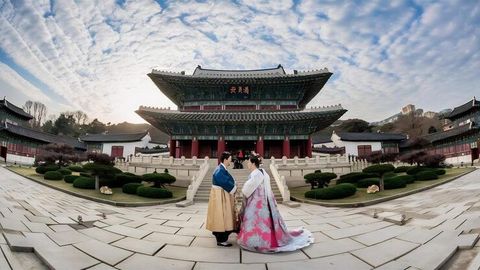
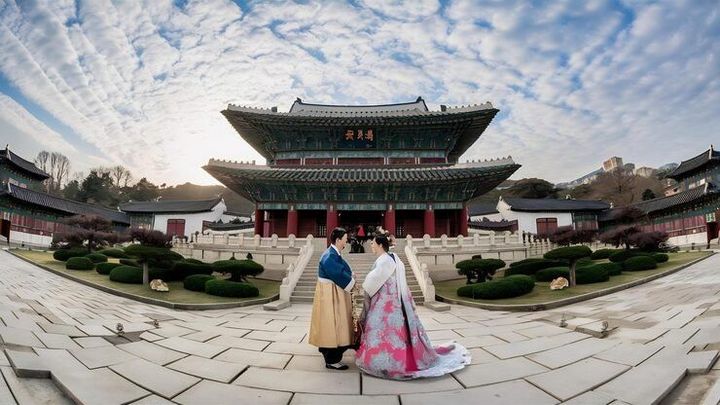
A palace visit can include more than walking through historic buildings. Depending on the season and individual site, cultural programs may include royal guard ceremonies, guided interpretation, traditional clothing experiences, exhibitions, evening programs, and activities connected with historical court culture.
Traditional clothing known as hanbok is closely associated with palace visits. Specific admission rules apply to visitors wearing hanbok, and the official guidelines define conditions for the related admission benefit.
Comparing Major Palace Sites
| Palace | Historical Character | Notable Features |
|---|---|---|
| Gyeongbokgung | Main Joseon royal palace | Gwanghwamun, Geunjeongjeon, Gyeonghoeru |
| Changdeokgung | Long-used royal residence | Palace grounds and Secret Garden |
| Deoksugung | Palace connected with later Joseon and modern-era history | Seokjojeon and mixed architectural styles |
| Changgyeonggung | Royal palace associated with the Joseon court | Gardens, ponds, and historic buildings |
| Gyeonghuigung | Former secondary palace complex | Remaining historic areas and nearby heritage sites |
The table provides a general historical comparison rather than a ranking. Palace layouts and accessible areas can change because of preservation work, exhibitions, or other administrative arrangements.
Recent Updates
Changing Visitor Experiences
From 2024 through 2026, palace tourism has continued to include a combination of traditional interpretation and newer visitor experiences. Korea Tourism Organization materials have highlighted evening programs, cultural activities, guided tours, and seasonal events connected with Seoul's royal palaces.
Night programs have become an important part of palace interpretation. Examples include evening experiences associated with Gyeongbokgung, Changdeokgung, and Deoksugung. Program schedules can change from year to year, so current information should be checked before planning around a specific event.
Visitor Management and Heritage Protection
Growing interest in heritage locations has also increased attention to visitor behavior. Recent guidance emphasizes protecting historic structures, respecting restricted areas, keeping noise under control, and following instructions from heritage-site personnel. Group visitors are also encouraged to manage movement carefully during busy periods.
Another continuing development is the use of organized cultural interpretation. Guided tours in several languages are available at major palace locations, helping international visitors understand architectural details and historical context. Available languages and schedules vary by palace.
Continuing Preservation Work
Palace preservation is an ongoing process rather than a single project. Individual buildings, exhibition spaces, gates, and surrounding areas can occasionally have restricted access because of maintenance, construction, exhibitions, or conservation activities.
For example, official notices have documented temporary access restrictions at Dondeokjeon Hall in Deoksugung during exhibition-related work. Such changes demonstrate why current site information is important when planning a detailed palace itinerary.
Laws or Policies
Cultural Heritage Protection
Korean royal palaces are protected under the country's cultural heritage framework. Heritage legislation establishes rules for protecting culturally significant properties and provides a legal basis for conservation and management. The English versions of Korean heritage legislation are provided as reference translations, while the Korean legal text has legal authority.
These rules affect how visitors interact with historic sites. Physical contact with protected structures, entering restricted locations, damaging property, or ignoring site instructions can be prohibited. The exact rules can vary according to the heritage location and its current management requirements.
Admission and Operating Rules
Admission arrangements differ among palaces. The Royal Palaces and Tombs Center publishes information covering admission fees, opening periods, regular closing days, guided interpretation, and hanbok-related admission rules.
Regular closing days also differ between locations. For example, the official schedule lists Gyeongbokgung as generally closed on Tuesdays, while several other palace sites have Monday closing arrangements. Public holidays can also affect normal schedules.
Hanbok Admission Guidelines
Visitors wearing hanbok may qualify for admission without the regular entrance charge under specific conditions. The clothing must meet the applicable guidelines, and modified modern clothing may not qualify in every situation.
These policies exist alongside general heritage rules and should not be interpreted as permission to enter restricted areas or handle historic structures. Visitors are expected to follow the instructions applicable to the individual palace.
Tools and Resources
Official Palace Information
The Royal Palaces and Tombs Center provides information about Gyeongbokgung, Changdeokgung, Deoksugung, Changgyeonggung, Jongmyo Shrine, and royal tombs. Its resources include admission information, opening schedules, visitor rules, transportation details, and interpretation information.
Korea Tourism Resources
The Korea Tourism Organization provides educational material about royal palaces, traditional culture, cultural activities, and suggested heritage routes. Its palace-related pages can help readers understand the historical background before visiting.
Maps and Planning Tools
Digital maps can help visitors understand the location of palace gates, museums, nearby historic neighborhoods, public transportation stations, and walking routes. Palace maps can also help distinguish general palace grounds from areas requiring separate admission or reservations.
A simple planning checklist can include:
- Palace name and historical period
- Opening day and operating hours
- Admission requirements
- Guided tour language and schedule
- Special program reservation requirements
- Current access restrictions
- Weather conditions
- Public transportation route
- Visitor rules for photography and restricted areas
Checking these details shortly before a visit can reduce confusion because schedules and access conditions may change.
FAQs
What are Korean Palace Tours?
Korean Palace Tours are visits to historic royal complexes where people can learn about Korean history, traditional architecture, royal customs, gardens, ceremonies, and cultural heritage. Seoul's five major Joseon palaces form an important part of this heritage landscape.
Which Korean palace has the strongest connection with Joseon royal history?
Several palaces are closely connected with Joseon history, but they served different purposes and were used during different periods. Gyeongbokgung was established as the main palace, while Changdeokgung was used extensively as a royal residence.
What traditional structures can visitors see during Korean Palace Tours?
Visitors may see ceremonial halls, wooden residences, gates, courtyards, pavilions, stone structures, tiled roofs, gardens, ponds, and decorative architectural elements. The exact structures vary from one palace to another.
Can visitors wear hanbok at Korean royal palaces?
Yes. Hanbok is closely associated with palace visits, and qualifying visitors may receive admission without the regular entrance charge under applicable guidelines. Requirements concerning the design and manner of wearing hanbok apply.
Are Korean palace programs available at night?
Some palaces hold seasonal evening programs, including special tours, exhibitions, and cultural activities. Availability varies by palace and season, so current schedules should be checked through official heritage or tourism resources.
Conclusion
Korean palace tours provide a way to explore royal history, traditional structures, architecture, gardens, and cultural practices in their historical settings. Seoul's five major Joseon palaces reflect different periods, functions, and architectural characteristics. Current visitor policies focus on heritage protection, appropriate behavior, admission arrangements, and controlled access to sensitive areas. Palace programs and schedules can change seasonally, making current official information an important part of understanding the visitor experience.