Singapore Travel Guide: Destinations, Attractions, Activities, Transport and Travel Tips
Singapore is a compact island city-state in Southeast Asia known for a dense urban centre, multicultural neighbourhoods, green spaces, museums, food districts, and a well-connected public transport network. A Singapore Travel Guide helps visitors understand how destinations, attractions, activities, transport, entry rules, weather, and everyday travel planning fit together.
Understanding Singapore as a Destination
Singapore developed as a major trading port and later became an independent country in 1965. Its location near major sea routes helped shape a population and culture influenced by Malay, Chinese, Indian, and other communities. English is widely used alongside Malay, Mandarin, and Tamil.
The city combines modern districts such as Marina Bay with historic areas including Chinatown, Little India, Kampong Gelam, and the Civic District. This mix means a short trip can include architecture, museums, gardens, food districts, waterfront walks, and cultural sites.
Main Destinations and Attractions
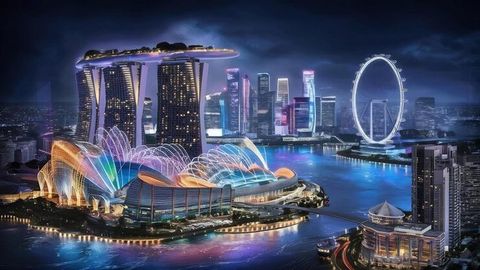
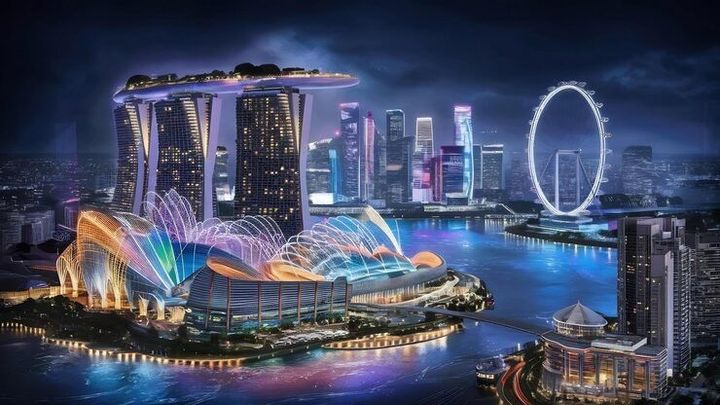
Marina Bay is associated with the waterfront skyline, Gardens by the Bay, the ArtScience Museum, and nearby civic and cultural landmarks. Sentosa Island has beaches, leisure attractions, walking areas, and family-oriented activities. Mandai is known for wildlife parks and nature-focused experiences.
Neighbourhoods also form an important part of Singapore travel. Chinatown has temples and heritage streets, Little India has religious landmarks and colourful streetscapes, while Kampong Gelam reflects Malay and Muslim heritage. Orchard Road is a major urban shopping district, while the Singapore River connects several central areas.
Importance
Why Travel Planning Matters
Singapore is geographically compact, but its attractions are spread across different districts. Planning a route can reduce unnecessary travel between areas and leave more time for museums, parks, food districts, and outdoor activities.
Weather is another practical consideration. Singapore has a hot, humid tropical climate, and rain can be heavy but brief. Travellers may need to balance outdoor plans with indoor attractions and allow extra time when storms affect walking or road conditions.
Who This Guide Helps
A Singapore Travel Guide can be useful for first-time visitors, families, solo travellers, couples, business travellers extending a trip, and people making a short stopover. It can also help visitors understand how to combine major attractions with neighbourhood exploration rather than treating each place as an isolated destination.
| Travel area | Examples | Planning point |
|---|---|---|
| City attractions | Marina Bay, museums, Singapore River | Group nearby sites |
| Nature | Gardens, Mandai, Pulau Ubin | Check weather and opening details |
| Heritage | Chinatown, Little India, Kampong Gelam | Allow time for walking |
| Island activities | Sentosa, beaches, leisure attractions | Check individual schedules |
| Transport | MRT, buses, taxis | Use a route planner |
Recent Updates
Tourism and Visitor Activity
Singapore recorded 16.9 million international visitor arrivals in 2025, an increase of 2.3% from 2024, according to the Singapore Tourism Board. Tourism receipts reached S$32.8 billion in 2025, compared with S$29.8 billion in 2024. These figures show continued international travel activity and an expanding range of tourism experiences.
The current travel environment also places attention on nature, heritage, sustainability, events, and neighbourhood experiences. The official tourism portal groups attractions around themes such as city-in-nature, culture and heritage, iconic architecture, family activities, museums, and unique experiences.
Transport and Digital Planning
Public transport remains central to getting around Singapore. The Land Transport Authority's MyTransport app provides information about train operations, station exits, bus arrivals, and journey planning. Contactless bank cards, mobile wallets, and stored-value travel cards can be used for many public transport journeys.
Recent travel planning has also become more digital. Visitors can check attraction information, transport routes, event information, and entry requirements online before travelling, reducing the need to rely on printed information.
Laws or Policies
Entry Requirements
Entry requirements depend on nationality and travel circumstances. Foreign visitors generally need a passport with at least six months of validity, while travellers from visa-required countries need an appropriate Singapore entry visa. A visa does not by itself determine the length of stay; the period granted is determined at immigration.
Most travellers must submit the SG Arrival Card with the electronic health declaration within three days, including the day of arrival. The SG Arrival Card is an immigration declaration rather than a visa, and travellers should use Singapore's official ICA channels for submission.
Local Rules and Everyday Conduct
Singapore has rules covering smoking in designated areas, public conduct, transport use, and other aspects of daily life. Travellers should check current government guidance because requirements can change. The official tourism guidance notes that smoking is prohibited in public transport and several enclosed or common public areas, including locations near building entrances and bus shelters.
Visitors should also follow instructions at attractions, transport stations, parks, religious sites, and heritage locations. Dress expectations can vary at religious places, and photography restrictions may apply in selected locations.
Tools and Resources
Transport Tools
The LTA journey planner and MyTransport app can help visitors compare routes, check train operating information, locate station exits, and view bus arrival information. Public buses connect residential areas, business districts, and tourist attractions, while MRT and LRT lines connect many central and outer areas.
Official Travel Resources
The Visit Singapore website provides information on destinations, neighbourhoods, attractions, events, weather, transport, payment methods, and travel planning. The Immigration and Checkpoints Authority website is the appropriate source for entry rules, visa information, and SG Arrival Card requirements.
Useful planning resources include:
- LTA journey planner for public transport routes and travel times.
- MyTransport app for transport updates and arrival information.
- Visit Singapore for attractions, neighbourhoods, events, and travel information.
- ICA online resources for entry requirements and arrival declarations.
- Singapore Tourism Analytics Network for tourism statistics and visitor data.
Practical Travel Tips
A simple itinerary can group places by area. For example, Marina Bay attractions can be combined on one day, while Chinatown, the Civic District, and nearby river areas can form another walking-focused route. Outdoor activities should allow flexibility because tropical rain can develop quickly.
Travellers should also keep digital copies of important travel documents, check accommodation details before departure, carry suitable clothing for warm weather, and keep some time for unplanned neighbourhood exploration.
FAQs
What are the main destinations in a Singapore Travel Guide?
Common areas include Marina Bay, Sentosa, Chinatown, Little India, Kampong Gelam, Orchard Road, the Civic District, Singapore River, and Mandai. Each area has a different combination of attractions, culture, nature, food, or architecture.
What transport is commonly used in Singapore?
MRT trains and public buses are widely used for city travel. Taxis and ride-hailing options are also available. Contactless bank cards and several travel cards can be used on public transport, subject to the applicable payment arrangements.
Do visitors need a visa for Singapore?
It depends on the passport or travel document. Some nationalities require a Singapore entry visa, while others do not. The ICA visa requirements page should be checked for the traveller's specific nationality.
What should visitors know about Singapore travel tips?
Visitors should prepare for hot and humid weather, possible heavy rain, local public conduct rules, and walking between nearby attractions. Checking official entry and transport information before departure can help with planning.
Is the SG Arrival Card required for Singapore travel?
Most travellers entering Singapore must submit the SG Arrival Card with the electronic health declaration within the required three-day period before arrival. Transit passengers who do not seek immigration clearance are among the stated exceptions.
Conclusion
Singapore combines modern architecture, historic neighbourhoods, nature areas, cultural attractions, and an extensive public transport network within a compact urban environment. Understanding the main destinations and grouping nearby attractions can make itinerary planning easier. Entry requirements, weather conditions, transport arrangements, and local rules are important parts of Singapore travel planning. Official tourism, transport, and immigration resources provide current information for visitors.