Discover Fabric Inspection Machines for Accurate Textile Defect Detection
Fabric inspection machines play an important role in modern textile production by helping identify defects before fabric moves to cutting, stitching, printing, dyeing, or final distribution. These machines combine controlled fabric movement, lighting, visual inspection, and measurement systems to examine large fabric rolls more consistently than manual checking alone.
Fabric inspection machines can detect issues such as holes, stains, color variation, broken yarns, wrinkles, weaving faults, and printing irregularities. Understanding fabric inspection machines, their operating principles, recent developments, and related textile quality practices helps explain how manufacturers maintain consistent fabric quality across different production stages.
Context
What Fabric Inspection Machines Are
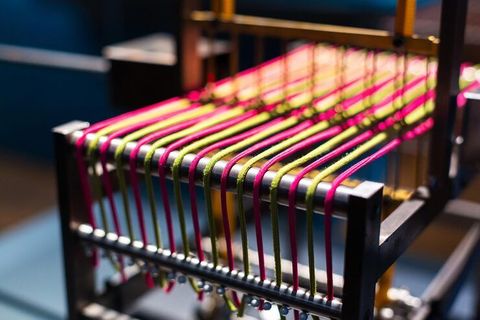
Fabric inspection machines are equipment systems designed to examine textile materials while fabric passes through an inspection area. The material is usually unwound from a roll and moved across an illuminated inspection surface or viewing zone. Operators or automated vision systems then identify visible irregularities and record information about the material.
Traditional fabric inspection relied heavily on human inspectors who examined fabric under controlled lighting. Manual inspection remains useful, but the growing scale of textile manufacturing has increased interest in automated fabric inspection machines and digital monitoring systems.
How Fabric Inspection Developed
The basic concept of fabric inspection comes from the need to identify textile defects before material reaches later manufacturing stages. Earlier systems mainly depended on operator observation, measuring devices, and physical marking methods.
Modern fabric inspection machines can integrate cameras, sensors, digital displays, automatic fabric alignment, electronic measurement, and software-based defect classification. Some systems use machine vision and artificial intelligence techniques to recognize recurring visual patterns and support more consistent inspection.
Main Components
A typical fabric inspection machine can contain several interconnected components:
- Inspection table or viewing area for presenting fabric under controlled illumination.
- Fabric unwinding and winding mechanisms for maintaining continuous material movement.
- Rollers that guide and stabilize the fabric.
- Lighting systems that make surface irregularities easier to identify.
- Cameras or vision sensors for automated inspection.
- Measurement systems for tracking fabric length and width.
- Control panels for operating inspection speed and recording observations.
- Software for storing defect information and generating inspection reports.
The exact configuration varies according to fabric type, production volume, inspection method, and the level of automation required.
Importance
Why Textile Defect Detection Matters
Textile defects can affect appearance, dimensional consistency, durability, and suitability for later processing. A small defect may become more significant when fabric is cut into multiple pieces or incorporated into finished products.
Fabric inspection machines help identify problems earlier in the production sequence. This can allow production teams to separate affected sections, document recurring faults, and investigate whether an upstream process needs adjustment.
Who Uses Fabric Inspection Equipment
Fabric inspection equipment is relevant to several areas of textile manufacturing and quality management. Common users include:
- Textile manufacturers examining woven and knitted fabrics.
- Dyeing and finishing facilities checking processed material.
- Garment manufacturers inspecting incoming fabric rolls.
- Quality-control teams recording fabric defects.
- Production planners evaluating material utilization.
- Laboratories and technical teams studying fabric characteristics.
The equipment can be used with different textile materials, although inspection settings may need adjustment for lightweight, stretchable, patterned, coated, or highly reflective fabrics.
Common Defects Detected
Fabric inspection machines can help identify many types of visible defects. Examples include holes, missing yarns, broken yarns, slubs, stains, color differences, crease marks, weaving irregularities, printing defects, contamination, and edge damage.
Defect classification is important because not every visual variation has the same significance. A quality-control system may classify defects according to size, location, frequency, or severity.
Inspection Data and Fabric Quality
Digital inspection systems can record information such as roll length, inspection speed, defect position, defect category, and fabric width. This information can be used to create inspection reports and compare production batches.
A structured data record can also make it easier to identify repeated problems. For example, if similar defects appear at regular intervals, the pattern may provide useful information about the production process.
Typical Inspection Parameters
| Parameter | Purpose | Common Consideration |
|---|---|---|
| Fabric width | Measures usable material width | Edge alignment and stretching |
| Fabric length | Tracks inspected material | Roll measurement accuracy |
| Inspection speed | Controls movement through viewing area | Fabric type and defect visibility |
| Lighting | Improves surface visibility | Texture, color, and transparency |
| Defect category | Organizes inspection findings | Internal quality classification |
| Defect position | Records where an issue occurs | Cutting and material utilization |
| Roll identification | Connects results with a specific roll | Production traceability |
Recent Updates
Machine Vision and Automation
Recent developments in fabric inspection increasingly focus on machine vision. Cameras can capture continuous images of fabric surfaces while software processes visual information in real time.
Machine vision can reduce dependence on constant manual observation for certain repetitive inspection tasks. However, system performance depends on factors such as lighting, camera resolution, fabric texture, defect characteristics, and software configuration.
Artificial Intelligence in Inspection
Artificial intelligence and machine learning are being explored for textile defect detection. These technologies can analyze image patterns and distinguish between different types of irregularities when trained with suitable datasets.
AI-based inspection is particularly relevant for defects that are difficult to classify consistently through simple image thresholds. Systems may use historical inspection data to improve classification, although human review can remain important for unusual or ambiguous defects.
Digital Reporting
Another trend is the integration of inspection equipment with digital production systems. Instead of relying only on handwritten records, inspection information can be stored electronically and linked with production batches or roll identification.
Digital records can support trend analysis, production documentation, and quality reporting. They may also make it easier to compare defect patterns across different production runs.
Improved Material Handling
Modern fabric inspection machines increasingly incorporate automatic tension control, edge guidance, fabric centering, and controlled winding. These features help maintain stable material movement during inspection.
Consistent fabric handling is important because excessive tension or poor alignment can create temporary distortions that make accurate visual examination more difficult.
Laws or Policies
Textile Quality Requirements
Fabric inspection machines operate within a broader framework of textile quality requirements, product specifications, workplace rules, and environmental policies. Requirements vary according to the country, textile application, material type, and intended market.
Manufacturers generally need to maintain appropriate documentation for production quality and material identification. Internal inspection procedures can be designed around applicable textile specifications and customer requirements.
Product Labeling and Material Information
Textile products may be subject to rules covering fiber composition, labeling, care information, flammability, chemical restrictions, or other product characteristics. Fabric inspection itself does not replace laboratory testing where a particular property requires specialized measurement.
For example, visual inspection can identify surface irregularities, while separate testing may be required to determine fiber composition, tensile properties, colorfastness, or chemical characteristics.
Workplace Safety
Operators working with fabric inspection machines may need to follow workplace safety requirements concerning moving rollers, electrical components, lighting, emergency controls, and material handling.
Manufacturers and facility operators typically establish operating procedures, maintenance schedules, guarding requirements, and training practices according to applicable workplace safety rules.
Tools and Resources
Inspection Software
Fabric inspection software can organize defect records, roll information, measurements, and inspection results. Depending on the system, software may provide visual defect maps, statistical summaries, production reports, or database integration.
Machine Vision Platforms
Computer vision platforms can be used to develop or configure automated textile defect detection systems. These platforms generally combine cameras, image-processing algorithms, lighting controls, and classification models.
Textile Testing Equipment
Fabric inspection is only one part of textile quality evaluation. Other tools may include GSM testers, fabric width gauges, tensile testing equipment, color measurement instruments, pilling testers, shrinkage measurement systems, and moisture measurement devices.
Inspection Templates
Standardized inspection templates can help quality teams record fabric roll identification, material width, inspected length, defect type, defect location, and inspection results. A consistent template improves recordkeeping and makes results easier to compare.
Digital Production Platforms
Manufacturing execution systems and quality-management platforms can connect inspection information with broader production records. When properly configured, these systems can help organize information from raw material intake through production and final quality checks.
FAQs
What are fabric inspection machines used for?
Fabric inspection machines are used to examine textile material for visible defects and irregularities. They can help identify holes, stains, broken yarns, weaving faults, color variations, wrinkles, and printing problems.
How do fabric inspection machines detect textile defects?
Fabric inspection machines use controlled lighting, fabric movement, cameras, sensors, or operator observation to identify surface irregularities. Automated systems can process captured images using computer vision or machine-learning techniques.
Are fabric inspection machines suitable for all fabrics?
A machine can be configured for many fabric types, but inspection settings vary according to material characteristics. Fabric weight, stretch, transparency, texture, pattern, and surface finish can influence lighting, tension, movement speed, and detection methods.
What is automated fabric inspection?
Automated fabric inspection uses cameras, sensors, and software to identify and classify fabric defects with limited manual observation. It can create digital records of defect locations and categories while fabric passes through the inspection area.
Why is fabric defect detection important in textile production?
Fabric defect detection helps identify irregularities before fabric reaches later manufacturing stages. Early identification can support quality records, material segregation, process analysis, and more consistent production decisions.
Conclusion
Fabric inspection machines provide a structured method for examining textile materials and identifying visible defects during production. Modern systems increasingly combine controlled fabric handling, digital measurement, machine vision, and automated defect classification. Inspection equipment works alongside laboratory testing, quality procedures, and textile production standards rather than replacing every form of material evaluation. As textile manufacturing becomes more data-driven, digital inspection records and automated visual analysis are becoming important parts of textile quality management.