Diamond Tennis Bracelets Guide With Styles, Designs, and Jewelry Insights
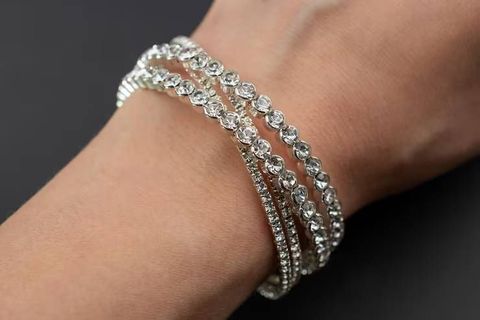
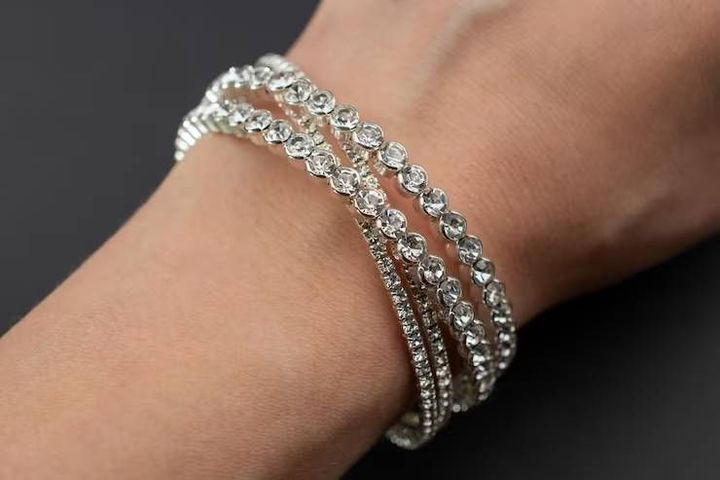
Diamond tennis bracelets are flexible jewelry pieces made with a continuous row or closely arranged sequence of diamonds set along a narrow metal bracelet. They are known for a streamlined appearance because the stones form a repeated pattern around much of the wrist. Modern designs can use different diamond shapes, metal colors, setting methods, bracelet widths, and clasp systems.
The style became widely recognized after a famous tennis match in which a diamond bracelet worn by professional tennis player Chris Evert reportedly broke during play. The incident brought attention to the bracelet style and contributed to the commonly used name "tennis bracelet." The underlying jewelry design, however, existed before that event under other descriptions.
A traditional diamond tennis bracelet typically uses individually set diamonds connected through articulated links. This construction allows the bracelet to curve around the wrist while keeping the stones visually aligned. The flexibility depends on the link structure, metal thickness, setting design, and construction quality.
Today, diamond tennis bracelets are available in many configurations. Some feature round brilliant diamonds in a uniform sequence, while others use oval, emerald, princess, pear, or other shapes. Designs can also vary from delicate single-row bracelets to wider arrangements containing multiple rows of stones.
Main Parts of a Tennis Bracelet
A diamond tennis bracelet contains several important components. The diamonds provide the visible decorative element, while the metal framework holds each stone securely and connects the individual sections.
Common components include:
Diamonds or other gemstones
Individual stone settings
Articulated links
Metal support sections
Primary clasp
Safety clasp or secondary safety mechanism
Hinges or flexible connection points
The clasp is particularly important because a tennis bracelet contains many small moving sections. Different designs may use box clasps, tongue-and-groove mechanisms, lobster-style clasps, or additional safety features.
Diamond Characteristics
Diamond selection involves several characteristics commonly known as the four Cs: carat weight, color, clarity, and cut. These characteristics describe different aspects of a diamond and can influence its appearance and overall jewelry specifications.
Carat refers to weight rather than visual size alone. Color describes how close a diamond is to a colorless appearance, while clarity concerns internal and surface characteristics. Cut relates to how a diamond has been shaped and proportioned to interact with light.
For a tennis bracelet, the relationship between individual stones is also important. A bracelet containing many diamonds can show visible differences if the stones vary significantly in size, color, shape, or appearance.
Importance
Diamond tennis bracelets remain relevant because they combine the appearance of a diamond jewelry piece with a flexible bracelet format. Their repeated stone pattern allows them to work with many clothing styles and jewelry combinations.
The design also raises practical questions about durability, fit, diamond characteristics, metal selection, maintenance, and secure fastening. Understanding these elements helps readers interpret jewelry descriptions and compare different design approaches.
Styles and Designs
Tennis bracelets can be categorized according to several design characteristics. A single-row bracelet contains one line of diamonds and usually has a relatively narrow profile. Multi-row designs contain two or more lines and create a broader visual appearance.
Stone shapes also create differences in style. Round diamonds provide a traditional appearance, while emerald-cut diamonds produce longer geometric outlines. Oval diamonds create an elongated appearance, and princess-cut diamonds can provide a more angular visual structure.
Other design variations include alternating diamond and metal sections, graduated stone arrangements, bezel settings, halo-inspired arrangements, and mixed-shape patterns.
Common Metal Choices
The metal surrounding the diamonds affects both appearance and construction. Platinum, white gold, yellow gold, and rose gold are common choices in diamond bracelet designs.
White-colored metals can create a visually continuous appearance with colorless or near-colorless diamonds. Yellow gold provides a warmer contrast, while rose gold introduces a pinkish tone.
Metal selection also relates to durability, maintenance, alloy composition, and personal preference. White gold jewelry may require periodic surface maintenance depending on its finish and alloy, while platinum develops a different surface appearance over time.
Bracelet Fit and Flexibility
A tennis bracelet needs enough flexibility to follow the natural movement of the wrist without becoming excessively loose. A very loose bracelet can move around the wrist, while a very tight bracelet can restrict movement and place additional stress on connecting sections.
Sizing is therefore an important consideration. The correct fit depends on wrist circumference, bracelet construction, personal wearing preferences, and the design of the clasp and links.
Setting Types
The setting holds each diamond within the bracelet structure. Prong settings use small metal projections to secure individual stones, while bezel settings surround a stone with a metal rim.
Other setting arrangements can position stones closely together to create a continuous visual line. The setting design influences how much metal is visible and how easily individual stones can be inspected or cleaned.
Recent Updates
From 2024 through 2026, diamond jewelry has continued to reflect changes in consumer preferences, digital jewelry visualization, laboratory-grown diamond availability, customization, and transparency around gemstone characteristics. These developments have affected how tennis bracelets are designed, described, compared, and evaluated.
Laboratory-Grown Diamonds
Laboratory-grown diamonds have become a more visible part of the jewelry market. They have essentially the same chemical composition and crystal structure as natural diamonds, although they originate through technological production rather than geological formation.
A tennis bracelet can therefore be constructed using either natural or laboratory-grown diamonds, depending on the design specification. Jewelry descriptions should clearly identify which type is used.
Custom Design
Digital design tools have made it easier to visualize different bracelet configurations before production. Customers and jewelry professionals can examine variations in stone shape, bracelet width, metal color, setting arrangement, and clasp structure through computer-generated models.
Customization can also involve selecting a specific diamond shape, changing the number of stones, adjusting bracelet dimensions, or combining different design elements.
Transparency and Documentation
Diamond documentation remains an important part of jewelry information. Grading reports from recognized gemological laboratories can provide information about individual diamonds, including characteristics such as carat weight, color, clarity, and cut.
For bracelets containing many smaller stones, documentation may take different forms from reports prepared for a single large diamond. The available documentation depends on the jewelry configuration and the individual stones.
Digital Jewelry Shopping
Online jewelry platforms increasingly use detailed product photography, videos, measurements, interactive views, and digital certificates to communicate product information. These tools can help consumers understand bracelet proportions before seeing the physical item.
However, digital images can vary according to lighting, camera settings, screen calibration, and image processing. Physical appearance may therefore differ from an online photograph.
Laws or Policies
Diamond tennis bracelets are influenced by jewelry labeling, gemstone disclosure, precious-metal standards, consumer protection rules, taxation requirements, and import or export regulations. The exact rules vary by jurisdiction.
Diamond Disclosure
Jewelry businesses generally need to accurately describe whether diamonds are natural, laboratory-grown, treated, or otherwise modified when disclosure is required under applicable rules. Terms describing gemstone characteristics should be used accurately.
A laboratory-grown diamond should not be represented as a naturally mined diamond. Similarly, treatments that materially affect a gemstone's characteristics may require disclosure under applicable jewelry regulations.
Precious-Metal Standards
Gold and platinum jewelry can be subject to fineness or hallmarking requirements. Hallmarks may indicate metal purity, the responsible maker or importer, or an official testing system, depending on the jurisdiction.
For example, a marking associated with gold purity can indicate the proportion of pure gold within the alloy. Different countries use different hallmarking systems and legal thresholds.
Consumer and Trade Requirements
Jewelry transactions may also be affected by rules concerning accurate descriptions, product documentation, returns, warranties, taxes, and trade records. International movement of diamonds can involve additional documentation and customs requirements.
Because requirements differ across jurisdictions, jewelry documentation should be interpreted according to the rules applicable to the location where the bracelet is manufactured, traded, imported, or purchased.
Tools and Resources
Several tools can help readers understand diamond tennis bracelets and compare their specifications. A wrist-measurement guide can help determine approximate bracelet dimensions, while diamond calculators can explain relationships between carat weight, stone count, and total carat weight.
Gemological references can help readers understand diamond grading terminology. Jewelry design software can also display different stone shapes, metal colors, bracelet widths, and setting arrangements.
Useful resources include:
Diamond grading reports
Gemstone identification guides
Wrist measurement charts
Jewelry size calculators
Diamond carat-weight references
Metal purity guides
Jewelry maintenance checklists
Digital jewelry design software
Inventory specification sheets
Clasp and setting diagrams
A simplified comparison of common tennis bracelet designs is shown below:
| Bracelet Style | Main Characteristic | Visual Effect | Key Consideration |
|---|---|---|---|
| Single Row | One line of diamonds | Narrow and streamlined | Stone matching |
| Multi-Row | Several diamond lines | Broader appearance | Weight and flexibility |
| Round Diamond | Circular brilliant stones | Classic repeated pattern | Cut consistency |
| Emerald Cut | Rectangular step-cut stones | Geometric appearance | Alignment |
| Oval Diamond | Elongated stones | Lengthened visual effect | Orientation |
| Bezel Set | Metal surrounds stones | Defined individual outlines | Metal visibility |
| Prong Set | Small prongs hold stones | More visible diamond surface | Prong condition |
Maintenance resources can also explain how to inspect clasps, links, settings, and stones. Professional jewelry inspection may be appropriate when a bracelet has loose stones, damaged links, or clasp problems.
FAQs
What is a diamond tennis bracelet?
A diamond tennis bracelet is a flexible bracelet featuring a continuous or closely arranged line of diamonds. Individual stones are held within linked metal sections that allow the bracelet to curve around the wrist.
What diamond shapes are used in tennis bracelets?
Round diamonds are common, but tennis bracelets can also use oval, emerald, princess, pear, marquise, or other diamond shapes. The chosen shape affects the bracelet's overall visual character.
How should a diamond tennis bracelet fit?
A tennis bracelet should normally have enough room to move naturally around the wrist without being excessively loose. The appropriate fit depends on wrist size, bracelet construction, and personal wearing preferences.
Are laboratory-grown diamonds used in tennis bracelets?
Yes. Tennis bracelets can be made with laboratory-grown diamonds as well as natural diamonds. The two origins should be clearly identified in jewelry descriptions and relevant documentation.
What should be checked when examining a diamond tennis bracelet?
Important details include diamond characteristics, stone matching, metal type and purity, setting condition, link flexibility, clasp construction, safety mechanisms, bracelet dimensions, and available gemstone documentation.
Conclusion
Diamond tennis bracelets combine a continuous diamond arrangement with a flexible linked bracelet structure. Their appearance can vary substantially according to diamond shape, setting style, metal type, bracelet width, and the number of rows. Recent developments include greater visibility of laboratory-grown diamonds, digital jewelry design, customization, and expanded gemstone documentation. Understanding these characteristics provides useful general knowledge for interpreting different diamond tennis bracelet designs and jewelry specifications.