Deep Dive into Drone Cameras & Accessories: Expert Insights and Analysis
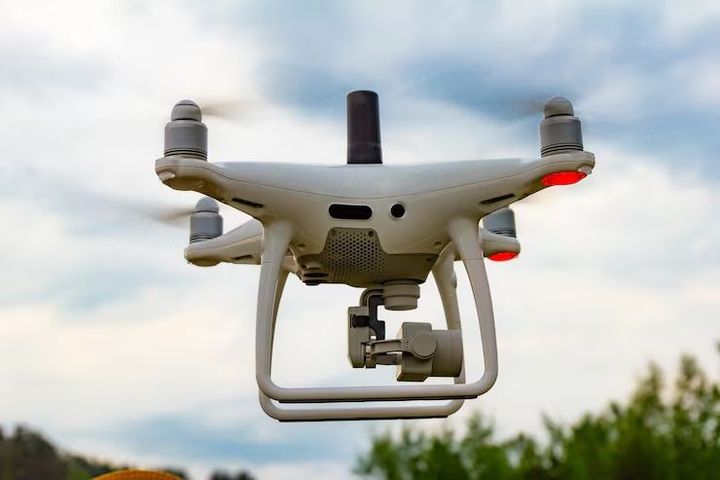
Drone cameras & accessories have become an important part of modern imaging technology. A drone camera is a compact camera mounted on an unmanned aerial vehicle (UAV), allowing users to capture photos and videos from elevated angles. Originally developed for military and research purposes, drones gradually entered civilian use, including photography, mapping, agriculture, and inspection tasks.
Drone cameras & accessories exist to expand visual perspectives that are difficult or unsafe to achieve from the ground. Accessories such as gimbals, batteries, propellers, memory cards, and controllers support stable flight and image quality. Together, they form a system designed to capture aerial data in a controlled and efficient way.
As technology has advanced, drone cameras have become more accessible to everyday users. Improvements in sensor size, stabilization, and flight control systems have made aerial imaging easier to understand and operate, even for non-technical users.
Importance
Drone cameras & accessories matter today because they provide new ways to observe, document, and analyze environments. They are used across multiple fields, including media production, environmental monitoring, urban planning, and emergency response.
For individuals, drone cameras allow the capture of landscapes, events, and personal projects from unique viewpoints. For professionals, they help reduce the need for manual inspection in risky areas, such as tall structures or remote locations.
Some common challenges that drone cameras & accessories help address include:
- Limited access to high or distant locations, where drones can reach areas that are otherwise difficult to approach
- Safety concerns, as drones reduce the need for humans to enter hazardous environments
- Time efficiency, since aerial data collection can be completed faster than traditional methods
- Data accuracy, with high-resolution sensors providing detailed visual information
Drone accessories also play a critical role in ensuring performance. For example, spare batteries extend flight time, while gimbals stabilize footage, making recorded images clearer and more usable.
Recent Updates
Recent developments in drone cameras & accessories from 2024 to 2026 show a clear trend toward automation, improved imaging, and better integration with software systems.
One notable trend is the advancement of camera sensors. Many drone cameras now include larger sensors and improved low-light performance, allowing clearer images in varying conditions. Another change is the integration of artificial intelligence features, such as object tracking and automated flight paths, which help simplify operation.
Battery technology has also seen gradual improvements. While flight time remains limited compared to ground-based devices, newer batteries are more efficient and provide longer usage per charge.
Another development is the increased use of modular accessories. Users can attach or replace components such as filters, landing gear, and payload mounts depending on their needs. This flexibility allows drone cameras & accessories to adapt to different use cases without requiring entirely new systems.
Connectivity has improved as well. Many drones now support real-time video transmission and integration with mobile applications, making it easier to monitor flights and manage data.
Laws or Policies
Drone cameras & accessories are subject to aviation regulations in many countries. These rules are designed to ensure safety, privacy, and proper use of airspace.
In India, drone usage is regulated under the Digital Sky framework. This system classifies drones based on weight and requires users to follow specific guidelines. Key aspects include:
- Registration requirements, where most drones must be registered and assigned a unique identification number
- Airspace restrictions, with designated zones such as green, yellow, and red areas that define where drones can operate
- Permission systems, where certain flights require prior approval through an online platform
- Height limitations, typically restricting how high a drone can fly in specific areas
- Safety guidelines, including maintaining visual line of sight and avoiding crowded locations
Privacy considerations are also important. Capturing images or videos in certain locations may require consent, depending on local laws. Users are generally expected to avoid sensitive areas such as government facilities and airports.
Understanding these policies helps ensure that drone cameras & accessories are used responsibly and within legal boundaries.
Tools and Resources
A range of tools and resources support the use and management of drone cameras & accessories. These tools help users plan flights, process images, and maintain equipment.
Some commonly used categories include:
- Flight planning apps, which allow users to map routes, set altitude limits, and monitor weather conditions before flying
- Simulation software, helping beginners understand controls and practice virtual flights
- Image processing tools, used to edit photos and videos captured by drone cameras
- Mapping platforms, which convert aerial images into maps or 3D models for analysis
- Firmware management tools, ensuring that drone systems are updated for stability and compatibility
Below is a simple comparison of common drone camera components and their functions:
| Component | Function Description | Importance Level |
|---|---|---|
| Camera Sensor | Captures images and video | High |
| Gimbal | Stabilizes the camera during movement | High |
| Battery | Powers the drone and determines flight duration | High |
| Propellers | Enable lift and movement | Medium |
| Controller | Allows user to operate the drone remotely | High |
| Memory Storage | Stores captured data | Medium |
| Filters | Adjust light and improve image clarity | Medium |
These tools and components work together to create a reliable drone system for various applications.
FAQs
What are drone cameras & accessories used for?
Drone cameras & accessories are used for capturing aerial images, videos, and data. They are commonly applied in photography, mapping, agriculture, inspection, and environmental monitoring.
How do drone cameras maintain stable footage?
Drone cameras use gimbals, which are mechanical stabilizers that keep the camera level during flight. Combined with software stabilization, this helps produce smooth and clear footage.
Are drone cameras & accessories difficult to operate?
Modern drone cameras are designed with user-friendly controls and automated features. Many systems include assisted flight modes, making them easier to operate for beginners with basic guidance.
Do drone cameras require permission to fly in India?
Yes, many drone operations require compliance with regulations under the Digital Sky system. Depending on the location and drone type, users may need to register and obtain flight permissions.
What accessories are essential for drone cameras?
Common accessories include batteries for extended flight time, memory cards for storage, propellers for movement, and filters for image quality adjustments. Each accessory supports a specific function within the drone system.
Conclusion
Drone cameras & accessories have evolved into versatile tools for capturing and analyzing aerial information. Their growing accessibility and improved technology have expanded their use across personal and professional applications. Understanding their components, regulations, and supporting tools helps users operate them effectively. As innovation continues, drone systems are likely to become more integrated with digital platforms and data-driven workflows.