Complete Guide to Circular Saw Machines for Industrial Cutting and Material Processing
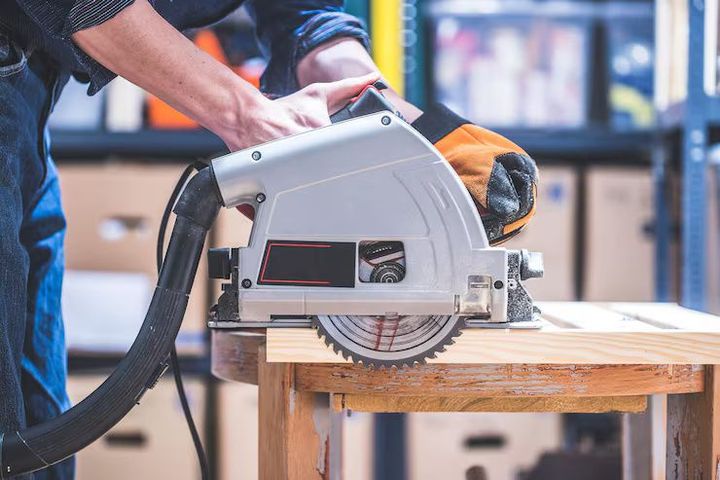
Circular saw machines are mechanical cutting systems designed to divide materials with a rotating circular blade. They are widely associated with industrial cutting because they can process materials such as metal, wood, plastic, composite products, pipes, profiles, and other manufactured components.
The basic concept has existed for centuries in different forms, while powered circular saw technology developed alongside industrial manufacturing. Modern systems have evolved from manually controlled equipment into machines that can include automated feeding, programmable cutting cycles, digital measurement, variable blade speeds, and integrated safety controls.
Industrial cutting requires more than simply separating a material. Manufacturers need repeatable dimensions, controlled cutting angles, suitable surface quality, efficient material use, and safe operation. Circular saw machines address these requirements through different blade designs, machine configurations, and control systems.
How Circular Saw Machines Work
A circular saw machine rotates a toothed or abrasive blade at a controlled speed. The material is positioned against a support or fixture, and the blade moves through the workpiece or the workpiece moves toward the blade, depending on the machine design.
Important components commonly include:
- Motor and drive system for rotating the blade
- Circular blade selected according to the material
- Worktable, vice, or clamping mechanism
- Feed mechanism for moving material
- Measurement system for determining cutting length
- Guarding around moving components
- Control panel for operating machine functions
- Coolant or lubrication equipment on applicable metal-cutting systems
The relationship between blade diameter, tooth configuration, cutting speed, feed rate, and material properties affects the resulting cut. Industrial operators therefore select machine settings according to the material and required production conditions.
Main Types of Circular Saw Machines
Circular saw machines can be categorized according to the material they process and the way the cutting operation is performed.
Metal cutting circular saw machines are designed for materials such as steel, aluminum, copper alloys, and other metals. They may use carbide-tipped blades or other blade technologies suited to industrial metal processing.
Wood circular saw machines are commonly used for boards, panels, timber, and related products. Their blade geometry varies according to whether the process involves ripping, crosscutting, panel cutting, or other operations.
Cold saw machines are another category used for metal cutting. They use controlled cutting conditions intended to manage heat generation and maintain dimensional accuracy.
Automatic circular saw machines can incorporate material feeding, programmable cutting lengths, and repeated cutting cycles. These features are particularly relevant when many pieces need consistent dimensions.
Importance
Circular saw machines play an important role in manufacturing because cutting is often an early or intermediate stage in material processing. Components may need to be divided into specific lengths before welding, assembly, machining, fabrication, construction, or finishing.
Industries That Use Circular Saw Machines
Industrial cutting equipment is used across a broad range of sectors. Common applications include:
- Metal fabrication and structural component production
- Construction material processing
- Furniture and woodworking
- Automotive component manufacturing
- Pipe and tube processing
- Machinery production
- Electrical equipment manufacturing
- Plastic and composite processing
- General fabrication and maintenance activities
The appropriate machine depends on material thickness, required dimensions, production volume, cutting angle, and the characteristics of the finished component.
Why Cutting Accuracy Matters
Dimensional consistency can influence later manufacturing operations. If components are cut unevenly, additional machining or correction may be necessary, which can increase material consumption and processing time.
Modern circular saw machines may use digital length measurement, programmable controls, automatic positioning, or sensors to improve repeatability. These systems do not eliminate the need for correct setup because blade condition, material positioning, machine alignment, and operating parameters remain important.
Material Selection and Blade Choice
A circular saw blade is not universally suitable for every material. Tooth shape, tooth count, blade diameter, material composition, and cutting geometry can all influence performance.
For example, a blade intended for aluminum may have different characteristics from one intended for structural steel. Woodworking applications also require blade configurations suited to the type of wood or panel being processed.
| Material | Common Cutting Approach | Important Considerations |
|---|---|---|
| Steel | Cold or powered metal sawing | Blade durability, heat management |
| Aluminum | Carbide-based cutting | Tooth geometry, material thickness |
| Wood | High-speed circular sawing | Grain direction, tooth count |
| Plastic | Specialized blade selection | Heat buildup, melting |
| Pipes and tubes | Metal circular sawing | Clamping, wall thickness |
| Composite materials | Application-specific blades | Surface quality, dust management |
Selecting the correct combination of machine and blade helps maintain controlled cutting conditions and can reduce unnecessary blade wear.
Recent Updates
Circular saw machines have increasingly incorporated digital controls and automation as manufacturers seek more consistent material processing. The general trend from 2024 through 2026 has been toward connected equipment, automated feeding, sensor-based monitoring, and improved operator interfaces.
Automation and Digital Controls
Modern industrial cutting systems may use programmable logic controllers, touchscreens, digital length settings, and automatic positioning. Some systems can store cutting parameters for recurring production requirements.
Automated material handling is another developing area. Feeding systems can move stock into position while sensors help confirm material placement before a cutting cycle begins.
Sensor-Based Monitoring
Sensors can monitor conditions such as blade position, material presence, machine movement, or other operating parameters. In more integrated production environments, machine information can also be connected to broader manufacturing monitoring systems.
These technologies support process visibility and can help operators identify abnormal conditions earlier. Their actual usefulness depends on machine configuration, software integration, maintenance, and operator training.
Energy and Waste Considerations
Manufacturers are also paying greater attention to energy use and material efficiency. Cutting plans can be designed to reduce unused sections of material, while programmable equipment can help maintain consistent cutting dimensions.
Modern drive systems may also provide more controlled motor operation. However, actual energy consumption varies substantially according to motor capacity, operating cycle, material type, blade condition, and production requirements.
Laws or Policies
Circular saw machines are affected by workplace safety rules, machinery requirements, electrical standards, and environmental controls. The exact requirements vary by country, industry, machine type, and workplace conditions.
Machine Safety Requirements
Common regulatory principles include protection against contact with rotating blades, appropriate machine guarding, emergency stopping mechanisms, electrical safety, and instructions for safe operation.
Operators may also need suitable training before using industrial cutting equipment. Workplace procedures can address material handling, blade replacement, inspection, maintenance, and emergency response.
Noise, Dust, and Workplace Conditions
Woodworking and some composite-processing operations can generate airborne particles, while metal cutting can produce chips, noise, heat, and other workplace hazards. Appropriate extraction, ventilation, protective equipment, and housekeeping procedures may therefore be required depending on the application.
Organizations should consult the machinery and workplace safety requirements applicable to their operating location. This article provides general information rather than professional regulatory guidance.
Tools and Resources
Several tools can help people understand or plan circular saw machine operations.
Cutting Calculators
Cutting calculators can help estimate blade speed, feed relationships, cutting time, or material utilization. Results should be treated as planning information because actual machine parameters depend on equipment specifications and material characteristics.
Blade Selection Charts
Blade manufacturers commonly provide selection charts describing suitable blade types, tooth configurations, and application ranges. These resources can help users compare blade characteristics for different materials.
Machine Manuals and Templates
Machine manuals are important resources for understanding operating procedures, adjustment ranges, maintenance requirements, and safety controls. Production teams may also use cutting lists, material optimization templates, inspection checklists, and maintenance schedules.
Digital Manufacturing Platforms
Manufacturing management platforms can track production information, equipment conditions, maintenance activities, and material usage. When connected to suitable machinery, these systems can provide a broader view of industrial cutting operations.
FAQs
What is a circular saw machine?
A circular saw machine is powered cutting equipment that uses a rotating circular blade to divide materials into specified lengths, shapes, or sections. Different configurations are available for wood, metal, plastic, pipes, and other materials.
How does an industrial cutting machine improve production?
An industrial cutting machine can provide controlled and repeatable cutting operations. Automated positioning, programmable settings, and mechanical clamping can help maintain consistency when processing multiple components.
What materials can circular saw machines process?
Circular saw machines can process materials including wood, steel, aluminum, plastic, pipes, profiles, panels, and selected composite materials. The blade and machine configuration must be appropriate for the material.
What should be considered when selecting a circular saw machine?
Important factors include material type, thickness, required cutting length, cutting angle, production volume, blade compatibility, automation level, machine capacity, workholding arrangement, and available safety features.
Are automatic circular saw machines suitable for every application?
No. Automatic systems are particularly relevant where repeated cutting and consistent dimensions are required, but manual or semi-automatic equipment may be more appropriate for variable production. The suitable configuration depends on the specific processing requirements.
Conclusion
Circular saw machines are important industrial cutting systems used to process materials into controlled lengths and dimensions. Their development now includes greater use of digital controls, automation, sensors, and material-management technologies. Machine selection depends on the material, blade requirements, production conditions, accuracy needs, and workplace safety considerations. Understanding these factors provides a useful foundation for evaluating circular saw machines and their role in modern material processing.