CNC Milling Machines Buying Guide: Types, Costs, and Selection Tips
Selecting the right CNC milling machines can transform your workshop from a slow manual operation into a high-speed production powerhouse. Understanding the core differences between spindle designs, axis capabilities, and total ownership costs ensures you invest in reliable industrial milling equipment that delivers consistent profits.
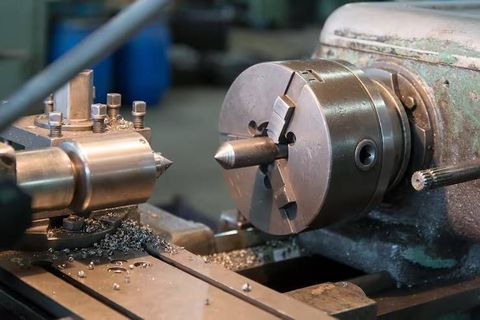
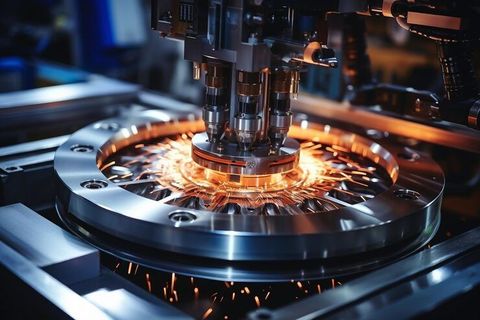
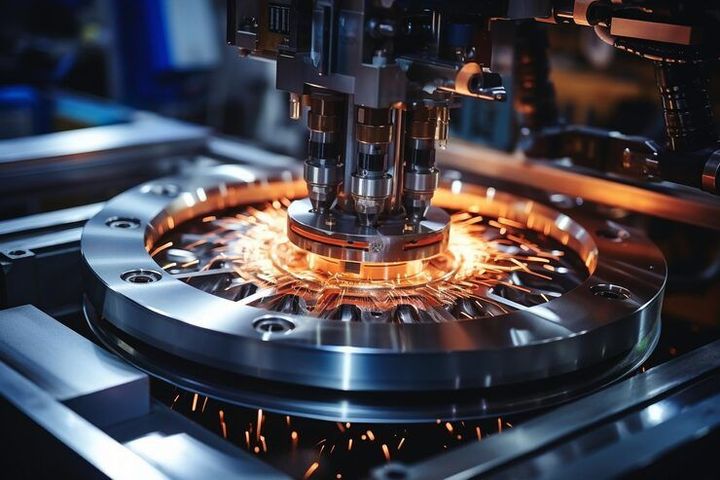
Computer numerical control technology has completely reshaped how factories produce complex parts. Instead of relying on hand wheels and manual measurements, an operator loads a digital design file into the machine controller. The computer then directs rotating cutting tools along exact paths to shave away raw metal, plastic, or composite blocks. This automated approach eliminates human error and lets shops run identical parts around the clock with minimal supervision.
Every modern milling setup relies on a rigid frame, precision ball screws, and a high-speed spindle to maintain tight tolerances.
Main Types of CNC Milling Machines
Vertical Machining Centers
A vertical machining center is the most common setup found in machine shops and prototype facilities around the world. The cutting spindle points straight down toward the worktable, which gives operators a clear view of the cutting action. Because gravity helps hold the workpiece down during setup, loading heavy blocks and clamping fixtures feels straightforward and fast. These machines handle face milling, pocket cutting, and precision drilling across aluminum, mild steel, and engineering plastics.
Horizontal Machining Centers
Horizontal mills mount the cutting spindle parallel to the floor rather than pointing downward. This layout allows metal chips to fall directly out of the cutting zone into a chip conveyor below.
5-Axis CNC Machines
When part geometry curves in multiple directions, a standard three-axis mill requires manual repositioning that wastes hours of labor. A 5-axis CNC machine tilts and rotates either the cutting head or the worktable while moving along the standard linear axes. This simultaneous motion lets shorter, stiffer tools reach deep pockets and complex undercuts in a single setup. Medical implant makers and aerospace suppliers depend on five-axis technology to achieve smooth contours and microscopic accuracy.
Key Factors to Evaluate Before Buying
Spindle Power and Speed
Matching your spindle specifications to your primary workpiece material prevents premature tool wear and sluggish cycle times.
Work Envelope and Axis Travel
Measuring your largest typical workpiece helps you determine the required table size and axis travel before signing a purchase order. You must account not only for the raw material block itself, but also for vises, rotary tables, and tool clearance around the edges. Buying a machine with slightly more travel than your current jobs require gives your business room to accept larger contracts later without outsourcing work.
Control Systems and Automation Readiness
A user-friendly CNC controller shortens training time for new machinists and reduces costly programming mistakes on the shop floor.
Calculating Total Cost of Ownership
Focusing strictly on the sticker CNC machine price often leads buyers into unexpected budget traps after delivery. Smart shop owners calculate the total cost of ownership across the first five years of operation.
Evaluating local service support and spare parts availability is equally vital for protecting your profit margins.
Best Practices for Long-Term Machine Accuracy
Protecting your capital investment requires a disciplined daily and weekly maintenance routine from your operators.
Disclaimer: This article is provided for informational and educational purposes only. Specifications, pricing, and operational requirements for CNC milling equipment vary widely by manufacturer and application. Always consult qualified industrial engineers, machine tool distributors, and certified electricians before purchasing, installing, or operating heavy manufacturing machinery.