Yoga Learning Knowledge: Beginner Techniques, Postures, Breathing, Meditation and Flexibility
Yoga is a traditional practice that developed in India and has roots extending back more than two millennia. The Sanskrit term is associated with joining or uniting, and classical yoga includes physical practices, breath regulation, concentration, meditation, and ethical ideas. Modern yoga often combines movement, posture practice, breathing exercises, and mindfulness in forms that can be adapted to different ages and abilities. The World Health Organization describes yoga as a mind-body practice that integrates physical activity, breath regulation, mindfulness, and meditation.
For someone beginning, yoga learning knowledge means understanding the purpose and basic structure of practice rather than simply copying difficult poses. Beginner techniques usually start with body awareness, steady breathing, simple postures, and gradual movement. The aim is to learn how the body responds to different positions while developing familiarity with breathing and attention.
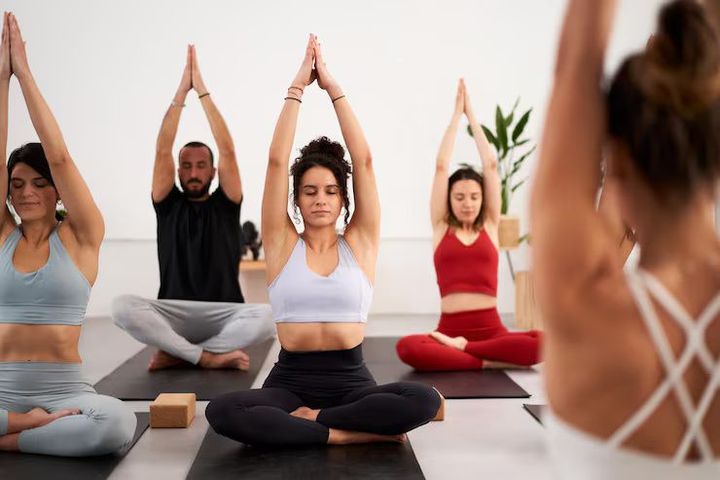
Yoga postures, often called asanas, can involve standing, sitting, balancing, twisting, or lying down. Examples commonly introduced to beginners include Mountain Pose, Child’s Pose, Cat-Cow movement, seated forward movements, and gentle standing sequences. A posture is not simply a shape to reproduce; alignment, breathing, comfort, and controlled movement are also part of learning.
Breathing practices, meditation, and flexibility work form related but distinct parts of yoga. Breathing exercises can train awareness of inhalation and exhalation, meditation can develop focused attention, and flexibility exercises use controlled movement to explore comfortable ranges of motion.
Importance
Yoga matters today partly because many people spend long periods sitting, using digital devices, commuting, or performing repetitive daily activities. Limited movement can make it harder to maintain mobility and physical activity. WHO identifies physical inactivity as a risk factor associated with several noncommunicable diseases and emphasizes regular physical activity across the lifespan.
Beginner yoga can provide a structured way to include movement, balance, breathing, and attention in a routine. Flexibility is only one part of the practice. Strength, coordination, body awareness, balance, and controlled movement can also be developed through suitable postures and sequences.
The mental side is also relevant. Meditation and mindful breathing encourage a person to notice thoughts, sensations, and breathing patterns without needing to respond immediately to them. Current health discussions increasingly consider these practices alongside other forms of physical activity and mental well-being support.
Yoga can be adapted rather than treated as a single fixed routine. A person with limited mobility may use a chair or a smaller movement range, while someone with more experience may use standing sequences or balance exercises. Age, fitness level, previous injuries, pregnancy, medications, and existing health conditions can affect which practices are appropriate, so individual medical guidance may be relevant in specific situations.
A simple learning framework can help beginners understand the main areas:
| Practice area | Main learning focus | Common beginner examples |
|---|---|---|
| Postures | Alignment and controlled movement | Mountain Pose, Child’s Pose |
| Breathing | Awareness and rhythm | Slow nasal breathing |
| Meditation | Attention and observation | Breath-focused sitting |
| Flexibility | Comfortable range of motion | Gentle stretches |
| Balance | Stability and coordination | Supported standing poses |
Recent Updates
From 2024 through 2026, yoga has continued to receive attention as a practice connected with physical activity, mental well-being, healthy ageing, and community participation. The International Day of Yoga remained a major international platform for public education and group practice. India reported large-scale participation in 2025 activities, while the 2026 International Day of Yoga focused on healthy ageing. WHO described yoga in 2026 as a practice that combines gentle movement, breathing, and mindfulness and discussed its relevance to balance, flexibility, strength, mobility, and mental well-being.
Digital learning has also become an established part of yoga education. The WHO mYoga application provides video and audio sessions with different practice durations and was developed with international expert consultation and the Morarji Desai National Institute of Yoga. Digital formats can help learners review posture instructions, breathing patterns, and meditation guidance without depending on a single physical location.
Another development is greater attention to adaptation and accessibility. Yoga discussions increasingly include practices for older adults and people with different physical capacities. The healthy-ageing focus highlighted by WHO in 2026 reflects this broader approach, emphasizing movement, breathing, mindfulness, mobility, and independence rather than treating yoga only as a flexibility activity.
Research attention has also continued to expand. WHO's recent discussion of yoga notes a growing body of scientific evidence examining outcomes such as stress, anxiety, strength, flexibility, and healthy ageing. Such evidence does not mean every yoga technique is appropriate for every person, and yoga should not be presented as a substitute for medical diagnosis or treatment.
Laws or Policies
In India, yoga education is supported through institutions under the Ministry of Ayush. The Yoga Certification Board, established in 2018 under the Ministry of Ayush, provides certification frameworks for different categories of yoga professionals and accreditation frameworks for yoga institutions.
The Yoga Certification Board states that its certification is voluntary under the Scheme for Voluntary Certification of Yoga Professionals. Its categories include Yoga Volunteer, Yoga Protocol Instructor, Yoga Wellness Instructor, Yoga Teacher and Evaluator, Yoga Master, and several yoga-therapy-related levels. This framework is mainly relevant to people who want structured professional assessment or institutional recognition.
For the general public, the main policy point is that learning yoga and professional certification are different matters. A person practicing beginner techniques for personal education does not need to treat the YCB certification structure as a requirement for ordinary learning. People considering instruction for health-related needs should distinguish general wellness education from medical care and seek qualified professional guidance when appropriate.
Government-supported yoga programs also include the Common Yoga Protocol and public activities associated with the International Day of Yoga. These initiatives provide standardized educational material and organized practice formats, while individual practice may still need adaptation to personal abilities and circumstances.
Tools and Resources
Several resources can support yoga learning knowledge without requiring advanced equipment. The WHO mYoga application includes guided video and audio sessions covering different durations and is intended for general users. It can help learners understand sequencing, movement, and breathing through visual instruction.
The Ministry of Ayush and Yoga Certification Board websites provide information about yoga education, certification categories, syllabi, examination processes, and accredited institutions. These resources are particularly relevant when someone wants to understand formal yoga education in India.
A simple practice log can also be useful. A learner can record the date, session length, postures practiced, breathing exercises, meditation duration, and general comfort level. The purpose is to observe consistency and personal responses rather than to create a performance score.
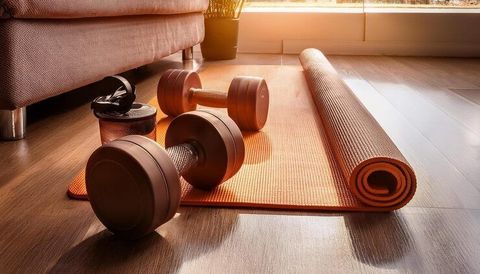
Helpful physical resources can include a stable exercise mat, comfortable clothing, a chair for supported practice, and a cushion for seated meditation. Props should make movement more manageable rather than force the body into a particular position.
For beginners, instructional material should explain breathing, posture setup, movement limits, and modifications. When an exercise causes sharp pain, unusual dizziness, breathing difficulty, or another concerning symptom, stopping the activity and seeking appropriate medical guidance is a sensible safety measure.
FAQs
What is Yoga Learning Knowledge for beginners?
Yoga Learning Knowledge refers to understanding beginner techniques, yoga postures, breathing, meditation, flexibility, and basic practice principles. It focuses on learning how each part of a session works rather than trying to perform advanced poses immediately.
Which yoga postures are suitable for beginners?
Common introductory yoga postures include Mountain Pose, Child’s Pose, Cat-Cow movement, gentle seated positions, and supported standing poses. The appropriate range depends on mobility, balance, previous injuries, and individual comfort.
How do breathing and meditation fit into yoga learning?
Breathing practices help learners notice and regulate the rhythm of inhalation and exhalation. Meditation adds focused attention or observation, often using the breath, body sensations, or a chosen point of attention.
Can yoga improve flexibility?
Regular, appropriately adapted movement can help maintain or improve flexibility and mobility. Flexibility varies between people and can be affected by age, activity level, joint structure, and other factors, so progress does not follow one standard pattern.
Is Yoga Certification Board certification required to learn yoga in India?
The Yoga Certification Board describes its professional certification as voluntary. It is a structured certification pathway for yoga professionals rather than a general requirement for someone learning yoga for personal practice.
Conclusion
Yoga combines movement, breathing, attention, and meditation in a practice with deep roots in India. Beginner learning can focus on simple postures, comfortable movement, breathing awareness, meditation, balance, and flexibility rather than advanced physical techniques. Recent developments have placed greater attention on digital learning, accessibility, community participation, and healthy ageing. In India, the Yoga Certification Board provides a voluntary framework for professional certification, while general learners can use educational resources to understand the practice and its adaptations.