Gym Equipment Guide: Strength Training Machines, Free Weights, Cardio Tools and Their Uses
A Gym Equipment Guide explains the machines, weights, and exercise tools used to develop strength, endurance, balance, and cardiovascular fitness. Gym equipment has evolved from simple resistance devices and lifting weights into a wide range of mechanical, electronic, and adjustable systems. Modern fitness facilities use different equipment types to support exercise routines for beginners, experienced athletes, rehabilitation settings, and general physical activity.
Context
A Gym Equipment Guide explains the machines, weights, and exercise tools used to develop strength, endurance, balance, and cardiovascular fitness. Gym equipment has evolved from simple resistance devices and lifting weights into a wide range of mechanical, electronic, and adjustable systems. Modern fitness facilities use different equipment types to support exercise routines for beginners, experienced athletes, rehabilitation settings, and general physical activity.
Gym equipment generally falls into three main categories: strength training machines, free weights, and cardio tools. Each category supports different movements and training goals. Understanding how these tools work helps people recognize their functions, operating methods, and safety requirements.
Understanding the Main Types of Gym Equipment
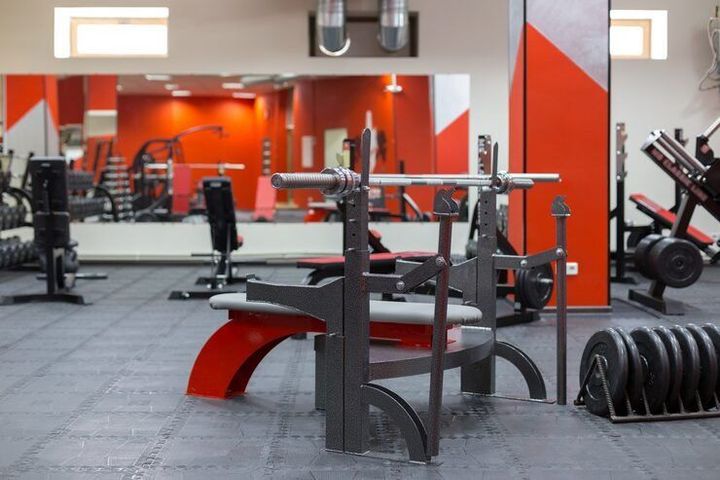
Strength training machines use cables, weight stacks, plates, or mechanical resistance to guide specific movements. Examples include leg presses, chest presses, lat pulldown machines, and seated rowing machines. Their fixed movement paths can help users learn an exercise, although correct seat adjustment and technique remain important.
Free weights include dumbbells, barbells, kettlebells, and weight plates. These tools allow users to move weights through different directions and ranges of motion, depending on the exercise. Cardio equipment includes treadmills, stationary bicycles, rowing machines, and elliptical trainers, which support activities that increase breathing and heart rate.
Importance
Understanding gym equipment matters because people have different fitness goals, physical abilities, and levels of experience. A beginner may need simple movements and clear adjustment instructions, while an experienced user may prefer equipment that allows more varied resistance and exercise patterns.
Knowing the purpose of each tool can also help reduce confusion in busy gyms. Using equipment incorrectly, choosing unsuitable resistance, or overlooking maintenance issues may increase the likelihood of discomfort or injury. Equipment selection should therefore consider the intended exercise, the user's ability, available space, and the manufacturer's instructions.
Strength Training Machines and Their Uses
Strength training machines are designed to provide resistance during controlled movements. Many use a weight stack connected to a cable, while others use resistance plates or hydraulic systems.
Common examples include:
Chest press machine: Trains the chest, shoulders, and triceps through a pressing movement.
Lat pulldown machine: Works the back and arm muscles as the user pulls a bar downward.
Leg press machine: Trains major lower-body muscles through a pushing movement.
Seated row machine: Targets back muscles and the arms through a pulling motion.
Leg curl machine: Focuses on the hamstring muscles at the back of the thighs.
Cable machine: Supports a range of pulling, pushing, and rotational exercises using adjustable attachments.
Machine settings vary between models. Seat position, handle placement, resistance selection, and movement range should match the user's body and the equipment instructions.
Free Weights and Their Uses
Free weights allow movement without a fixed machine-guided path. Dumbbells are commonly used for presses, rows, curls, and lunges, while barbells support exercises such as squats, deadlifts, and overhead presses. Kettlebells are used for movements including carries, squats, and controlled swings.
Free weights can require greater coordination and balance than some machines. Users need to understand lifting technique, maintain control throughout each movement, and choose resistance that suits their ability. Exercises involving heavy barbells may require appropriate safety equipment or assistance from a qualified trainer.
Cardio Equipment and Its Uses
Cardio tools support activities that challenge the heart and lungs. Their movement patterns differ, which allows users to select equipment according to comfort, physical ability, and exercise preferences.
Treadmill: Supports walking, jogging, or running, with speed and incline adjustments on many models.
Stationary bicycle: Provides seated cycling with adjustable resistance.
Elliptical trainer: Combines stepping and gliding movements, often with moving handles.
Rowing machine: Uses repeated pulling and leg-driving movements to simulate rowing.
Stair climber: Simulates climbing steps through continuous stepping movements.
The intensity of a cardio session depends on factors such as speed, resistance, duration, and individual fitness. Proper setup and gradual increases in activity help users manage exercise demands.
Comparing Gym Equipment Categories
| Equipment category | Main purpose | Common examples | Important consideration |
|---|---|---|---|
| Strength machines | Targeted resistance training | Chest press, leg press | Adjustments and movement path |
| Free weights | Flexible resistance exercises | Dumbbells, barbells | Technique and weight control |
| Cardio equipment | Cardiovascular endurance | Treadmill, bicycle | Pace and exercise intensity |
| Functional training tools | Balance and movement practice | Resistance bands, medicine balls | Space and movement control |
Recent Updates
Gym equipment has increasingly incorporated digital monitoring, adjustable resistance, compact designs, and connected training features. From 2024 through 2026, broader fitness trends have included the use of smart consoles, workout tracking, app-connected exercise equipment, and equipment designed for both home and commercial gym environments. Availability varies by manufacturer, model, and facility.
Smart Equipment and Digital Tracking
Some treadmills, exercise bicycles, and rowing machines include digital displays that show workout duration, speed, distance, resistance, or estimated energy expenditure. Connected models may record training sessions and synchronize selected information with fitness applications.
These measurements can help users follow changes in activity over time, but they have limitations. Calorie estimates and other calculated values are not direct measurements of every physiological response, and readings may vary across devices. Personal health decisions should not rely solely on exercise-machine displays.
Compact and Adjustable Equipment
Home fitness equipment has expanded to include foldable treadmills, adjustable dumbbells, resistance bands, compact cable systems, and multi-function training stations. These designs can help people organize exercise within limited space, although the available movements and resistance ranges depend on the model.
Commercial gyms also use adjustable benches, modular cable stations, and equipment with multiple resistance settings. Regular inspection remains important because cables, belts, fasteners, padding, and moving parts can wear through repeated use.
Laws or Policies
Gym equipment is affected by product safety requirements, workplace rules, building regulations, consumer protection, and public health guidance. The exact requirements depend on the equipment type, its intended use, and whether it is installed in a home, commercial gym, school, or rehabilitation facility.
Equipment Safety and Standards in India
In India, relevant requirements may include applicable Bureau of Indian Standards specifications, product-specific quality control orders, and other regulations that apply to particular equipment categories. Not every type of gym equipment is necessarily subject to the same mandatory certification requirements. Compliance should be checked against the product category and rules currently in force.
Commercial fitness facilities may also need to follow applicable state and local requirements concerning premises, fire safety, electrical installations, and occupational safety. Equipment should be installed and maintained according to manufacturer instructions, with suitable clearance around moving parts and emergency access where required.
User Safety and Consumer Protection
The Consumer Protection Act, 2019, provides a legal framework for consumer rights and specified unfair trade practices in India. Product descriptions, safety information, warranties, and applicable return conditions should accurately reflect the relevant terms and legal requirements.
Users should inspect equipment for loose parts, damaged cables, unstable benches, and malfunctioning controls before exercising. Treadmills and other powered machines should have functioning safety features where provided. Resistance should be increased gradually, and anyone with relevant health concerns or exercise limitations may need guidance from an appropriately qualified healthcare professional.
Tools and Resources
Several resources help people understand gym equipment, plan workouts, and track activity. The usefulness of each resource depends on individual goals, equipment availability, and the reliability of the information provided.
Exercise Guides and Equipment Instructions
Manufacturer manuals explain how to assemble, adjust, operate, and maintain specific machines. They may include maximum user weight, resistance settings, cleaning procedures, and inspection guidance.
Organizations such as the World Health Organization and the American College of Sports Medicine publish general physical activity and exercise guidance. These resources provide background on physical activity, resistance training, and exercise safety without replacing individualized professional advice.
Fitness Tracking and Planning Tools
Workout logs and fitness applications can record exercises, repetitions, resistance levels, workout duration, and perceived effort. A simple spreadsheet can include the equipment used, exercise name, number of sets, repetitions, and any adjustments made during a session.
Fitness calculators may estimate training intensity or help organize activity schedules. Results are estimates rather than precise measurements of individual fitness. Exercise plans should account for recovery, gradual progression, correct technique, and personal limitations.
A Practical Equipment Checklist
Before using gym equipment, users can review these points:
Check the equipment for visible damage or loose components.
Adjust seats, handles, and supports before starting.
Understand the movement and resistance controls.
Keep hands, clothing, and other objects clear of moving parts.
Use suitable footwear and follow posted safety instructions.
Return weights to their designated storage areas after use.
FAQs
What are the main types of gym equipment?
The main types are strength training machines, free weights, cardio equipment, and functional training tools. Each category supports different movements and physical training goals.
What is the difference between strength training machines and free weights?
Strength training machines often guide movement along a set path, while free weights allow more flexible movement. Both can develop muscular strength when used with suitable resistance and correct technique.
Which cardio equipment is used in a gym?
Common cardio equipment includes treadmills, stationary bicycles, elliptical trainers, rowing machines, and stair climbers. Each provides a different movement pattern and range of intensity.
How should beginners choose gym equipment?
Beginners should consider their exercise goals, physical ability, equipment instructions, and comfort with the movement. Learning proper technique and starting with manageable resistance can help establish safe exercise habits.
How often should gym equipment be maintained?
Maintenance frequency depends on the equipment, manufacturer instructions, and how heavily it is used. Commercial facilities generally need scheduled inspections, cleaning, and timely repair of worn or damaged components.
Conclusion
Gym equipment includes strength training machines, free weights, cardio tools, and functional training devices designed for different exercise purposes. Their appropriate use depends on correct technique, suitable resistance, equipment condition, and individual ability. Digital tracking and adjustable designs have expanded the ways people organize workouts, while safety standards and maintenance remain important. Understanding these factors provides a useful foundation for learning about exercise equipment in home and commercial settings.