Medical Equipment Guide: Diagnostic Devices, Treatment Tools, Uses and Selection Factors
A Medical Equipment Guide explains the diagnostic devices, treatment tools, monitoring systems, and supporting equipment used in healthcare. Medical equipment has developed alongside advances in anatomy, engineering, electricity, imaging, and clinical science. Early healthcare relied on basic instruments for examination and wound care, while modern medical facilities use electronic devices, imaging systems, laboratory instruments, and equipment that supports complex procedures.
Context
A Medical Equipment Guide explains the diagnostic devices, treatment tools, monitoring systems, and supporting equipment used in healthcare. Medical equipment has developed alongside advances in anatomy, engineering, electricity, imaging, and clinical science. Early healthcare relied on basic instruments for examination and wound care, while modern medical facilities use electronic devices, imaging systems, laboratory instruments, and equipment that supports complex procedures.
Medical equipment serves different purposes depending on the setting and the needs of the patient. Hospitals may use advanced imaging and patient monitoring systems, clinics may rely on examination instruments and diagnostic devices, and home healthcare may involve equipment for mobility, breathing support, or tracking selected health measurements. Understanding these categories helps readers recognize how medical devices contribute to diagnosis, treatment, rehabilitation, and ongoing care.
Main Categories of Medical Equipment
Medical equipment can be grouped according to its function and intended use.
Diagnostic devices: Equipment used to examine the body or identify signs of a health condition, including ultrasound scanners, X-ray systems, electrocardiographs, and laboratory analyzers.
Patient monitoring equipment: Devices that measure or display selected health indicators, such as heart rate, blood pressure, oxygen saturation, and body temperature.
Treatment equipment: Tools used during medical procedures or to support treatment, including infusion pumps, surgical instruments, and therapeutic devices.
Life-support equipment: Specialized systems, such as ventilators, that assist essential body functions in appropriate clinical settings.
Rehabilitation equipment: Devices that support movement, recovery, and daily activities, including walking aids, therapy equipment, and mobility devices.
Home healthcare equipment: Devices intended for use outside healthcare facilities, such as digital thermometers, blood pressure monitors, and certain prescribed respiratory devices.
The classification depends on a device's intended purpose, design, and applicable regulatory definition. Some equipment can serve more than one function, and not every device is suitable for use by an untrained person.
Importance
Medical equipment plays an important role in healthcare because it helps clinicians gather information, monitor changes, perform procedures, and support patient recovery. Diagnostic devices can provide measurements or images that contribute to clinical assessment, while monitoring equipment can help healthcare professionals identify changes that may require attention. The usefulness of a device depends on its accuracy, appropriate application, maintenance, and interpretation of results.
Medical equipment also affects people outside hospitals. Individuals managing long-term health needs may use certain devices at home, while caregivers may depend on mobility aids or monitoring tools to support everyday activities. Incorrect measurements, unsuitable equipment, poor maintenance, and misunderstanding of instructions can create practical difficulties and potential safety risks.
Factors to Consider When Selecting Medical Equipment
Selection involves more than comparing technical specifications. The intended clinical purpose, user training, environment, and applicable regulatory requirements all matter.
Important considerations include:
Intended use: The condition or clinical task the device is designed to address.
Accuracy and performance: Whether the device measures or performs within the specifications relevant to its intended use.
User requirements: The training, physical abilities, and technical knowledge needed for safe operation.
Compatibility: Whether the equipment works with existing systems, accessories, power supplies, or clinical workflows.
Maintenance: The inspection, calibration, cleaning, software updates, and component replacement required by the manufacturer.
Safety features: Alarms, protective controls, electrical safety measures, and safeguards against foreseeable errors.
Regulatory status: Whether the device meets applicable registration, licensing, or conformity requirements in the relevant country.
Healthcare professionals should determine clinical suitability, particularly for equipment used in diagnosis, invasive procedures, or life-support functions. For home use, clear instructions, appropriate training, and a plan for handling device problems are also important.
Comparing Medical Equipment Types
The table below summarizes common devices and their general purposes.
| Equipment type | Primary purpose | Typical setting |
|---|---|---|
| Ultrasound scanner | Produces images using sound waves | Hospitals and imaging clinics |
| X-ray system | Creates images of internal structures | Hospitals and diagnostic centers |
| Electrocardiograph | Records the heart's electrical activity | Clinics and hospitals |
| Blood pressure monitor | Measures blood pressure | Clinics and some homes |
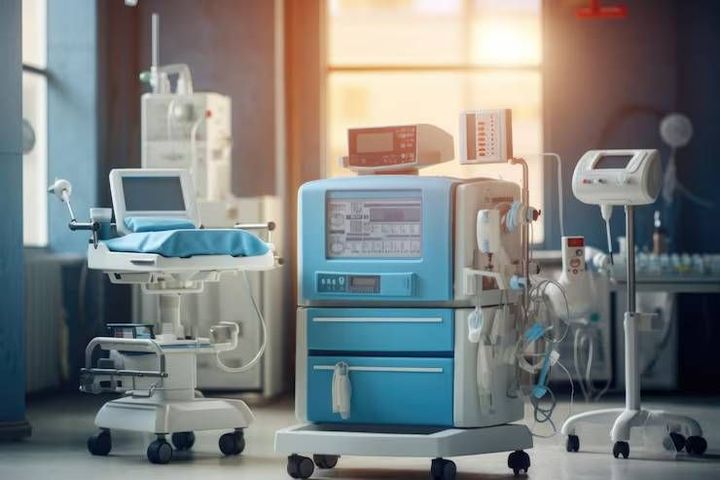
| Infusion pump | Controls delivery of prescribed fluids | Hospitals and clinical settings |
| Ventilator | Supports breathing in appropriate circumstances | Intensive care and other clinical settings |
| Surgical instruments | Support specific medical procedures | Operating rooms and procedure areas |
| Mobility aid | Supports movement and physical independence | Homes and rehabilitation settings |
These devices have different operating requirements and limitations. A measurement or image does not necessarily establish a diagnosis on its own, and clinical findings must be interpreted in context.
Recent Updates
Medical equipment development has increasingly focused on digital connectivity, compact designs, automated measurements, and the integration of data into clinical workflows. Across 2024–2026, these broader trends have continued, although the availability, maturity, and regulatory status of individual technologies vary by manufacturer and country. Not every new feature is appropriate for every patient or healthcare setting.
Digital Monitoring and Connected Devices
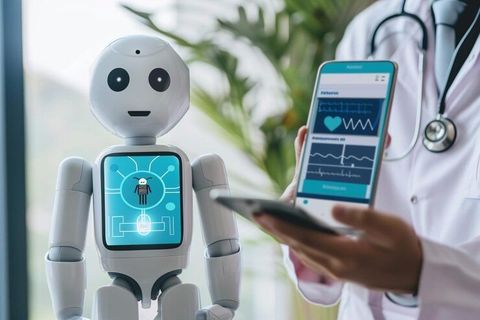
Some modern medical devices can transmit measurements to electronic health records, monitoring stations, or approved applications. Connected systems may help healthcare teams review information from different locations, depending on the equipment, network, and clinical arrangements.
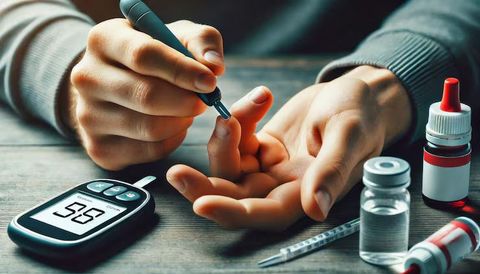
Remote patient monitoring has also expanded the ways selected measurements can be collected outside hospitals. These systems may track indicators such as blood pressure, heart rate, or blood glucose when the relevant device and care plan support that use. However, readings can be affected by device limitations, incorrect technique, connectivity problems, or other factors, and remote monitoring does not replace every in-person assessment.
Artificial Intelligence and Medical Imaging
Artificial intelligence is being incorporated into some medical imaging and diagnostic workflows. Depending on the authorized purpose, software may assist with image analysis, identify patterns for clinical review, or help organize information. Its role varies across devices and applications, and the output should be understood within the limits of the specific system.
Healthcare professionals remain responsible for appropriate clinical interpretation and decision-making. Performance may vary across patient groups, equipment configurations, and clinical environments, so validation, oversight, and clear instructions are important.
Equipment Maintenance and Cybersecurity
Connected medical equipment creates additional considerations for software updates, access control, data protection, and network security. Healthcare organizations may need procedures for managing vulnerabilities, monitoring device access, and maintaining equipment throughout its useful life.
Maintenance practices also continue to emphasize manufacturer instructions, documented inspections, calibration where applicable, and checks after repairs. A device's digital capabilities do not remove the need for physical inspection, staff training, and established safety procedures.
Laws or Policies
Medical equipment is subject to regulatory systems intended to address safety, performance, quality, and appropriate use. Requirements differ according to device classification, intended purpose, risk level, and the country where the equipment is manufactured, imported, marketed, or used.
Medical Device Regulation in India
In India, medical devices are regulated under the Drugs and Cosmetics Act, 1940, and the Medical Devices Rules, 2017, along with applicable amendments and notifications. The Central Drugs Standard Control Organisation (CDSCO) is the national regulatory authority for relevant medical device activities, with responsibilities that vary according to the applicable legal framework.
Regulatory requirements may include manufacturing or import permissions, quality-system obligations, labeling requirements, and other controls depending on the device and activity. Medical devices are classified according to risk, with regulatory requirements varying by classification. A device's compliance status should be checked against the current rules and its specific intended use.
Standards, Safety, and Quality Management
Technical standards can address electrical safety, electromagnetic compatibility, usability, risk management, and quality systems. International standards developed by organizations such as the International Organization for Standardization (ISO) and the International Electrotechnical Commission (IEC) may be relevant, depending on the device and applicable regulatory requirements.
Healthcare facilities generally need documented procedures for equipment inspection, cleaning, maintenance, staff training, and incident reporting. Manufacturers' instructions and relevant local rules determine the appropriate procedures for a particular device. Equipment should not be modified or used outside its intended purpose without appropriate authorization and assessment.
Data Protection and Patient Information
Connected medical devices may collect sensitive health information. Organizations handling this information must consider applicable privacy and information-security requirements, including relevant Indian data-protection laws and rules in force.
Users should understand what information a device collects, where the information is transmitted, who can access it, and how it is stored. The applicable obligations depend on the system, the organizations involved, and the legal framework governing the data.
Tools and Resources
Several official resources and practical documents help readers understand medical equipment, its intended use, and its regulatory status. These resources provide different types of information and should be interpreted according to their scope.
Regulatory and Technical Resources
The Central Drugs Standard Control Organisation website provides information about India's medical device regulatory framework, relevant notifications, and licensing requirements. The World Health Organization publishes material on medical device selection, assessment, management, and health technology planning.
The International Organization for Standardization and the International Electrotechnical Commission publish standards relevant to medical device quality, safety, and performance. Access to specific standards may require a purchase or institutional subscription, and compliance with a standard does not automatically establish that every regulatory requirement has been met.
Equipment Records and Maintenance Tools
Healthcare facilities may use equipment inventories, maintenance logs, calibration records, inspection checklists, and incident-reporting forms to manage medical devices. An equipment inventory can record the device name, model, serial number, location, responsible department, maintenance schedule, and current status.
A practical selection checklist can include:
Confirm the intended use and relevant regulatory status.
Review the manufacturer's instructions and technical specifications.
Verify user training and installation requirements.
Check compatibility with the intended clinical environment.
Establish cleaning, maintenance, and calibration procedures where applicable.
Review data protection, software updates, and technical support arrangements.
These records help organizations maintain traceability and identify equipment that requires inspection or repair. The specific documentation required depends on the device, facility policies, and applicable regulations.
FAQs
What are the main types of medical equipment?
The main categories include diagnostic devices, patient monitoring systems, treatment tools, life-support equipment, rehabilitation devices, and home healthcare equipment. Each category serves a different purpose based on its design and intended use.
How is diagnostic equipment different from treatment equipment?
Diagnostic equipment collects information used to assess health conditions, such as images or physiological measurements. Treatment equipment supports a therapeutic procedure or intervention, while some devices may perform both functions.
What factors matter when selecting medical equipment?
Important factors include intended use, accuracy, safety, compatibility, user training, maintenance needs, and regulatory status. Clinical suitability should be assessed by qualified healthcare professionals when required.
How is medical equipment regulated in India?
India regulates medical devices under the applicable provisions of the Drugs and Cosmetics Act, 1940, the Medical Devices Rules, 2017, and related notifications. Requirements vary according to device classification and the activity being performed.
How often should medical equipment be maintained?
Maintenance intervals depend on the device, manufacturer instructions, operating conditions, and applicable requirements. Inspection, cleaning, calibration, and testing should follow the procedures specified for the particular equipment.
Conclusion
Medical equipment includes a wide range of devices used for diagnosis, monitoring, treatment, rehabilitation, and home healthcare. Safe and appropriate use depends on intended purpose, technical performance, training, maintenance, and compliance with relevant regulations. Digital connectivity and artificial intelligence are influencing some medical equipment, while introducing additional considerations for oversight and data protection. Understanding these factors provides a useful foundation for learning about medical devices and their role in healthcare.