Diabetes Management Suggestions: Glucose Monitoring, Meal Planning, Exercise and Lifestyle Habits
Diabetes management involves a combination of glucose monitoring, meal planning, physical activity, medication when prescribed, and everyday lifestyle habits. Diabetes develops when the body does not produce enough insulin, does not use insulin effectively, or both. The condition can occur as type 1, type 2, or gestational diabetes, and management can vary according to the type and individual circumstances.
Blood glucose, also called blood sugar, is an important part of diabetes management because persistently high levels can affect blood vessels, nerves, kidneys, eyes, and other organs over time. Regular monitoring can provide information about glucose patterns, while HbA1c testing gives an indication of average glucose levels over roughly the previous two to three months.
Diabetes management suggestions generally focus on practical routines rather than a single action. Glucose monitoring, balanced meals, regular movement, adequate sleep, tobacco avoidance, and appropriate medical follow-up can work together as part of long-term diabetes care.
Understanding glucose monitoring
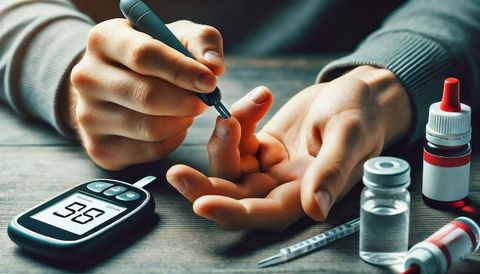
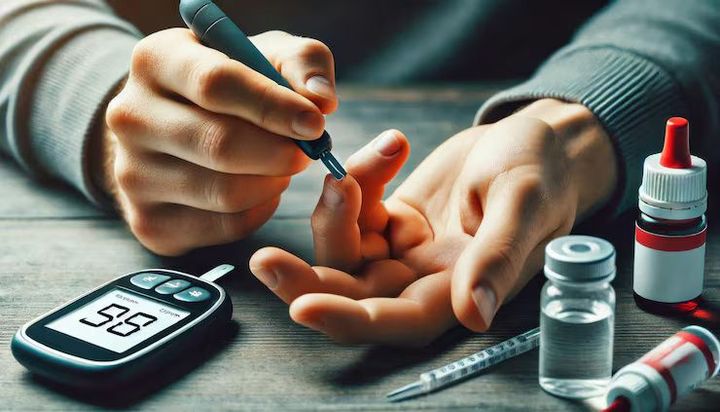
Glucose monitoring can be performed with a blood glucose meter or, for some people, a continuous glucose monitoring device. The appropriate method and frequency depend on the type of diabetes, treatment plan, glucose patterns, and individual circumstances.
People using insulin may need more frequent monitoring because glucose can change in response to meals, exercise, illness, stress, and insulin. For some people with type 2 diabetes who do not use insulin, routine self-monitoring may be less useful unless there is a specific reason for it.
Importance
Diabetes is an important public health issue because it affects people across different ages and backgrounds. The World Health Organization reported that the number of people living with diabetes worldwide increased substantially between 1990 and 2022, with particularly rapid growth in low- and middle-income countries.
For individuals, diabetes management can address several everyday challenges. These include understanding glucose changes, planning meals, incorporating exercise into busy routines, recognizing unusually high or low glucose levels, and keeping track of health assessments.
Why glucose patterns matter
A single glucose reading provides information about one moment. Looking at readings over time can help identify patterns associated with meals, physical activity, medication, illness, or changes in daily routines.
HbA1c is another important measurement because it reflects average blood glucose over approximately two to three months. However, individual glucose targets are not identical for everyone, so results should be interpreted according to a person's health circumstances and clinical plan.
Meal planning and daily routines
Meal planning can help create more predictable eating patterns. A balanced meal commonly includes vegetables or other high-fibre foods, an appropriate source of protein, and carbohydrate-containing foods in portions suited to the person's nutritional needs.
Practical habits may include:
- Eating meals at reasonably consistent times when appropriate.
- Paying attention to portion sizes.
- Including vegetables, legumes, whole grains, and other fibre-containing foods.
- Choosing unsaturated fat sources more often than foods high in saturated fat.
- Limiting foods and drinks containing large amounts of added sugar.
- Drinking water regularly according to individual needs.
- Keeping a record of foods when it helps identify relationships between meals and glucose readings.
Meal planning does not require eliminating an entire food group. Dietary needs can differ according to diabetes type, medication, age, activity level, cultural eating patterns, and other health conditions.
Exercise and physical activity
Physical activity can influence how the body uses glucose and is an important component of diabetes management. WHO recommends at least 150 minutes of moderate physical activity each week for prevention and general health, although people with diabetes may need an activity plan suited to their individual circumstances.
Activities can include walking, cycling, swimming, household movement, strength exercises, or other forms of moderate activity. People who use insulin or certain glucose-lowering treatments should understand how exercise can affect glucose and discuss appropriate precautions with a healthcare professional.
Recent Updates
Diabetes management has increasingly incorporated digital monitoring, structured data collection, and technology-assisted self-management. Recent international guidance has placed greater emphasis on using reliable diabetes data to understand risk factors, glucose control, health-system performance, and outcomes.
Continuous glucose monitoring has also become more visible in diabetes care. These devices can provide repeated glucose measurements and may help some people understand changes throughout the day. Their suitability depends on diabetes type, treatment, clinical circumstances, availability, and individual needs.
Digital health tools are another developing area. WHO guidance has recognized the growing role of diagnostic devices, monitoring technologies, and digital tools that can help people manage health conditions and obtain health information.
Lifestyle management trends
Current diabetes care increasingly considers more than glucose alone. Blood pressure, cholesterol, kidney health, eye health, nerve health, foot health, physical activity, nutrition, and psychological well-being can all be relevant parts of ongoing care.
There is also greater attention to individualized management. A routine that works for one person may not be appropriate for another, particularly when pregnancy, kidney disease, cardiovascular conditions, insulin use, or other medical factors are involved.
Laws or Policies
In India, diabetes is addressed within the country's broader national noncommunicable disease framework. The National Programme for Prevention and Control of Non-Communicable Diseases, implemented through the Ministry of Health and Family Welfare, includes population-level screening, prevention, diagnosis, management, and referral for conditions such as diabetes.
The programme operates through the public health system and includes activities at primary healthcare levels. India's approach also emphasizes screening and early identification of common noncommunicable diseases, with diabetes included among the conditions covered by the programme.
The National NCD Portal has been used to support digital tracking of people receiving care for hypertension and diabetes. Government information indicates that the system has expanded across states and union territories, reflecting a broader movement toward digital monitoring of chronic disease care.
Policies and clinical practices can change over time. Individual treatment decisions, glucose targets, testing schedules, and medication choices therefore need to be based on current clinical guidance and the person's healthcare assessment.
Tools and Resources
Several tools can help people organize diabetes-related information and understand general concepts.
Glucose monitoring tools
A blood glucose meter can record individual glucose readings, while continuous glucose monitoring systems can provide repeated measurements throughout the day for eligible users. A written or digital glucose log can include the reading, time, meal information, exercise, medication details where relevant, and unusual circumstances such as illness.
Food and activity planning tools
Meal-planning templates can help organize meals and portion information. Food-label reading tools can also help people compare carbohydrate, fibre, sugar, saturated fat, and other nutritional information.
Activity trackers, pedometers, and smartphone health platforms can record walking, exercise, and daily movement. These records may help people understand activity patterns when used alongside other health information.
Government and international resources
India's Ministry of Health and Family Welfare provides information about the National Programme for Prevention and Control of Non-Communicable Diseases. WHO also provides educational information covering diabetes symptoms, diagnosis, glucose monitoring, nutrition, physical activity, and prevention of complications.
A useful personal record may contain:
| Information | Example purpose |
|---|---|
| Glucose readings | Identify glucose patterns |
| HbA1c results | Review longer-term average glucose |
| Meal notes | Compare food patterns with readings |
| Physical activity | Track movement and exercise |
| Blood pressure | Monitor another cardiovascular risk factor |
| Weight measurements | Observe changes over time |
| Eye, kidney, and foot checks | Track routine complication screening |
These records are most useful when interpreted in the context of a person's overall health rather than as isolated numbers.
FAQs
What are useful diabetes management suggestions for daily life?
Common areas include glucose monitoring when appropriate, balanced meal planning, regular physical activity, adequate sleep, tobacco avoidance, and routine health assessments. The appropriate combination varies according to diabetes type and individual health circumstances.
How does glucose monitoring help with diabetes management?
Glucose monitoring provides information about current glucose levels and can reveal patterns related to meals, exercise, illness, and treatment. Monitoring frequency should be based on diabetes type, treatment, and individual clinical needs.
What should meal planning include for diabetes?
Meal planning can include vegetables, fibre-rich foods, appropriate protein sources, and suitable portions of carbohydrate-containing foods. Added sugars and foods high in saturated fat can generally be limited as part of a balanced eating pattern.
How much exercise is appropriate for diabetes management?
WHO recommends at least 150 minutes of moderate physical activity each week for general diabetes prevention and health. People with diabetes may require individualized activity guidance, particularly when using insulin or treatments that can cause low glucose.
Why are lifestyle habits important in diabetes care?
Regular physical activity, balanced nutrition, tobacco avoidance, appropriate weight management, and routine health monitoring can support diabetes care and help reduce the risk of complications. Diabetes management generally involves several connected habits rather than one isolated measure.
Conclusion
Diabetes management combines glucose monitoring, meal planning, physical activity, healthy daily routines, and appropriate medical follow-up. Glucose readings and HbA1c can provide different types of information, while nutrition and exercise can influence glucose patterns and overall health. Current diabetes care also increasingly incorporates digital monitoring and structured health information. In India, diabetes management forms part of the national noncommunicable disease programme and broader public-health framework.