Wrapping Machines Details: Components, Wrapping Processes, Controls and Maintenance Factors
Wrapping machines are mechanical systems used to cover products or groups of products with materials such as plastic film, paper, shrink film, stretch film, or other packaging materials. Wrapping machines details commonly include their components, wrapping processes, control systems, material handling, and maintenance factors. These machines are used across manufacturing, food processing, logistics, household products, pharmaceuticals, and other packaging environments where consistent product protection and handling are required.
What Are Wrapping Machines?
A wrapping machine places packaging material around a product, bundle, pallet, or container in a controlled sequence. Depending on the machine design, the process may involve feeding the product, positioning the wrapping material, forming the wrap, sealing or securing the material, cutting excess film, and transferring the finished package.
Wrapping systems range from relatively simple manually assisted equipment to automated production-line machines. Some systems wrap individual products, while others handle groups of products or large pallet loads. The choice of wrapping process depends on product dimensions, material characteristics, production requirements, and the desired level of automation.
Main Components of Wrapping Machines
The exact components vary by machine type, but several parts are common.
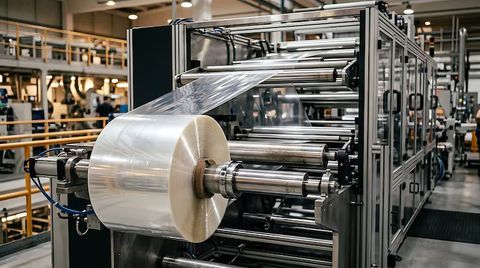
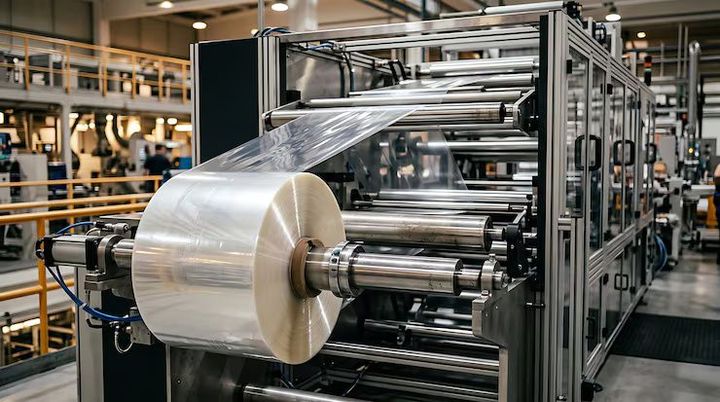
- Film or material holder: Holds the wrapping material and controls its movement toward the product.
- Product conveyor: Moves products through different stages of the wrapping process.
- Rollers and guides: Direct the material and help maintain alignment.
- Cutting mechanism: Separates the wrapping material after the required amount has been applied.
- Sealing unit: Uses heat or another suitable method to close certain types of wrapping material.
- Drive system: Provides controlled movement through motors, belts, chains, rollers, or other mechanical components.
- Sensors: Detect product position, material movement, and machine conditions.
- Control panel: Allows operators to adjust settings and monitor machine functions.
- Safety devices: Include guards, emergency stops, interlocks, and other mechanisms designed to reduce operational risks.
These components work together to create a repeatable wrapping cycle. A problem with one component can affect material alignment, wrapping tension, sealing quality, or machine movement.
Importance
Why Wrapping Processes Matter
Wrapping helps protect products from dust, moisture, handling damage, and other environmental factors. For grouped products and pallet loads, wrapping can also help keep items together during storage and transportation.
The process can also create consistency in packaging. When the wrapping tension, material feed, and product positioning are controlled, packages can follow a more predictable format. However, the actual level of protection depends on the packaging material, product characteristics, environmental conditions, and machine settings.
Where Wrapping Machines Are Used
Wrapping machines are found in many areas of manufacturing and distribution. Common applications include:
- Food and beverage packaging
- Consumer goods
- Household products
- Paper and printed materials
- Industrial components
- Warehouse pallet preparation
- Agricultural products
- Pharmaceutical packaging
- Logistics and distribution
Different applications require different wrapping processes. A machine designed for pallet loads, for example, operates differently from equipment intended to wrap small individual products.
Common Operating Challenges
Wrapping systems can experience problems when products are not positioned correctly or when packaging material is unsuitable for the machine. Film tension that is too low can result in loose wrapping, while excessive tension may distort or damage certain products.
Other common challenges include film breakage, uneven sealing, material misalignment, sensor errors, product jams, worn rollers, and inconsistent cutting. Regular inspection and appropriate operating settings can help identify these issues before they affect larger parts of a production process.
Recent Updates
Automation and Digital Controls
Between 2024 and 2026, packaging equipment has continued moving toward greater automation and digital monitoring. Modern wrapping machines may use programmable logic controllers, touch-screen interfaces, sensors, variable-speed drives, and electronic monitoring systems.
These controls allow operators to adjust parameters such as wrapping speed, film tension, cycle timing, conveyor movement, and sealing temperature, depending on machine design. Digital interfaces can also provide information about operating conditions and machine faults.
Material Efficiency and Packaging Waste
Another continuing development is greater attention to packaging-material consumption and waste. Wrapping equipment can use controlled film dispensing and tension systems to apply a more consistent amount of material.
In India, plastic packaging is also affected by Extended Producer Responsibility requirements. The Central Pollution Control Board explains that plastic packaging categories covered by the EPR framework include rigid packaging, flexible packaging, multilayered packaging, and certain compostable plastic packaging.
This regulatory environment has increased attention to material selection, packaging design, waste handling, and documentation.
Safety and Machinery Regulation
India's machinery safety framework has also been developing. The Machinery and Electrical Equipment Safety framework published by the Ministry of Heavy Industries includes machinery for packing or wrapping among the equipment categories covered by the relevant technical regulation. The government later issued amendments affecting implementation.
For equipment users, this makes safety documentation, applicable standards, guarding, electrical protection, and operating procedures important considerations.
Laws or Policies
Packaging and Legal Metrology
In India, packaging can be affected by the Legal Metrology Act and the Legal Metrology (Packaged Commodities) Rules, 2011. These rules apply to certain pre-packaged commodities and establish requirements for declarations on packages. The Department of Consumer Affairs identifies information such as the manufacturer's, packer's, or importer's details and country of origin for imported products among relevant declarations.
Wrapping machines themselves do not determine whether a package complies with labeling requirements. Instead, the packaging process must be designed so that required information remains properly presented on the applicable package.
Plastic Packaging Requirements
Plastic packaging can also fall under India's Plastic Waste Management Rules and related EPR requirements. Producers, importers, and brand owners covered by the framework may have registration and waste-management responsibilities through the applicable CPCB system.
The CPCB announced that its earlier plastic packaging EPR portal was discontinued in June 2026 and that data was migrated to a Common EPR Portal.
Machinery Safety Requirements
Machinery operators should also consider applicable Indian Standards and machinery safety requirements. Government and BIS materials identify machinery for packing or wrapping within the scope of the relevant machinery safety framework.
Because regulations and technical requirements can change, manufacturers and operators should verify the current requirements applicable to their particular machine, product, packaging material, and operating location.
Tools and Resources
Machine Monitoring Tools
Several tools can help operators understand wrapping machine performance. Digital control panels may display cycle information, sensor conditions, temperature settings, alarms, and other operating parameters.
Common supporting tools include:
- Film-tension measurement equipment
- Temperature measurement devices
- Electrical testing equipment
- Conveyor alignment tools
- Machine inspection checklists
- Preventive-maintenance schedules
- Production monitoring software
- Equipment manuals and technical documentation
Maintenance Checklists
A maintenance checklist can organize routine inspection activities. Depending on the equipment, it may include:
| Area | What to Check | Typical Purpose |
|---|---|---|
| Film system | Roll alignment and tension | Consistent material movement |
| Conveyor | Belts, rollers, and alignment | Stable product movement |
| Sealing unit | Temperature and surface condition | Consistent sealing |
| Cutting unit | Blade condition and movement | Clean material separation |
| Sensors | Position and detection | Accurate machine sequencing |
| Electrical system | Connections and controls | Reliable operation |
| Safety devices | Guards and emergency stops | Operator protection |
| Moving parts | Wear, lubrication, and alignment | Smooth mechanical movement |
Maintenance intervals depend on machine design, operating hours, environmental conditions, and manufacturer specifications. Components that experience repeated movement or heat may require more frequent inspection.
FAQs
What are wrapping machines used for?
Wrapping machines are used to place packaging material around individual products, product groups, containers, or pallet loads. The wrapping process can help with product handling, protection, grouping, and transportation.
What are the main components of wrapping machines?
Common wrapping machines details include material holders, conveyors, rollers, guides, motors, sensors, cutting systems, sealing units, control panels, and safety devices. The exact configuration depends on the machine type and application.
How does a wrapping process work?
A typical wrapping process begins with product positioning and material feeding. The machine then moves the material around the product, applies controlled tension when required, completes the wrapping cycle, and cuts or seals the material before the packaged item moves to the next stage.
What controls are used in wrapping machines?
Wrapping machines may use programmable controllers, sensors, touch-screen panels, variable-speed drives, temperature controls, and automated sequencing. These controls regulate movement, timing, material handling, and other machine functions.
What maintenance factors should be considered for wrapping machines?
Important maintenance factors include film alignment, tension settings, conveyor condition, sealing surfaces, cutting components, sensors, electrical connections, moving parts, and safety devices. Inspection intervals should follow the equipment documentation and actual operating conditions.
Conclusion
Wrapping machines combine mechanical components, packaging materials, sensors, controls, and safety systems to create consistent wrapping processes. Their applications range from individual product packaging to large pallet preparation, with machine designs varying according to product and material requirements. Recent developments have placed greater attention on automation, digital controls, packaging-material efficiency, and regulatory compliance. In India, Legal Metrology, plastic packaging EPR requirements, and machinery safety regulations can all influence how packaging operations are designed and managed.