Embroidery Machines Explained: Types, Features, Stitching Methods, Applications and Key Considerations
Embroidery is a decorative textile technique in which thread is stitched onto fabric to create patterns, letters, symbols, borders, and other designs. Traditional embroidery was performed by hand using needles and thread, while modern embroidery machines use mechanical movement, electronic controls, and computerized design files to reproduce patterns with greater consistency.
Embroidery machines are used in many settings, including garment production, textile workshops, craft activities, fashion design, home projects, and specialized textile manufacturing. Depending on the machine type, fabric can be moved beneath a needle manually, mechanically, or through a programmed embroidery frame.
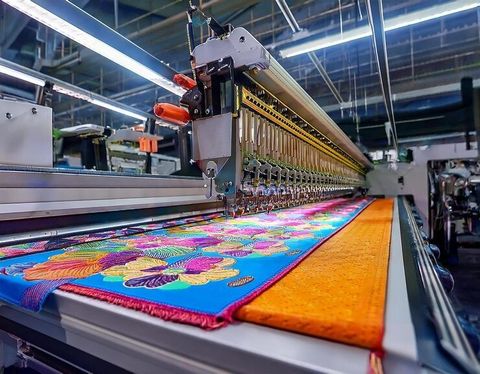
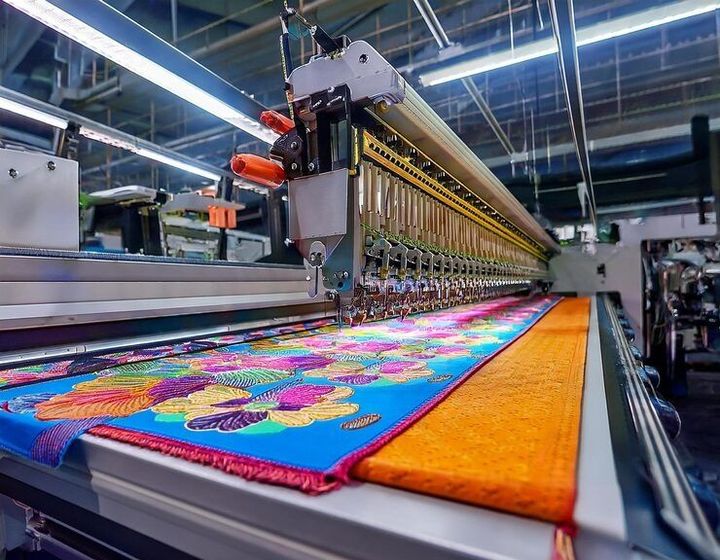
Modern computerized embroidery machines combine several systems. These can include a needle mechanism, thread path, embroidery hoop or frame, fabric-feeding mechanism, control panel, motors, sensors, and software. Together, these components coordinate needle movement and fabric positioning to create programmed designs.
The development of computerized embroidery changed how complex patterns are produced. Instead of manually controlling every stitch, an operator can prepare a digital design and allow the machine to interpret the pattern through programmed movements.
How embroidery machines work
The basic process begins with preparing a design. A digital embroidery file contains instructions about stitch placement, movement, thread changes, and other information required by the machine.
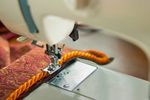
The fabric is placed in an embroidery hoop or frame. The machine then moves the frame in different directions while the needle repeatedly passes through the fabric. The combination of needle movement, thread movement, and frame positioning creates the final pattern.
Different embroidery machines use different operating systems. Some are designed for individual projects, while others are configured for repeated production involving multiple needles, larger embroidery areas, or several heads.
Importance
Embroidery machines are important because they provide a structured way to reproduce decorative textile patterns with controlled stitch placement. They are used for clothing, accessories, home textiles, uniforms, decorative fabrics, patches, logos, monograms, and other textile applications.
For general users, understanding embroidery machines can make it easier to distinguish between machine types and understand what features influence their operation. The differences between a single-needle household machine and a multi-head industrial embroidery machine can be substantial.
Embroidery machines also address practical challenges associated with repeated stitching. Manual embroidery can require considerable time for complex patterns, while machine embroidery can coordinate thousands of programmed stitches according to a digital design.
Several factors influence the suitability of an embroidery machine:
- Embroidery area: Determines the approximate size of a design that can be stitched without repositioning the fabric.
- Number of needles: Multi-needle systems can accommodate several thread colors and reduce the need for repeated manual thread changes.
- Number of heads: Multi-head machines can work on several pieces or areas at the same time.
- Stitching speed: Indicates how quickly the machine can perform programmed stitching.
- Design compatibility: Determines which digital embroidery formats and software workflows can be used.
- Fabric handling: Different materials may require different hoops, stabilizers, needles, and thread settings.
- Control system: Touchscreens, computerized controls, and automatic functions can affect how the machine is operated.
Main types of embroidery machines
Embroidery machines can be grouped according to their intended use and mechanical configuration.
| Machine type | General characteristics | Common applications |
|---|---|---|
| Single-needle | Uses one needle at a time | Home embroidery, small projects |
| Multi-needle | Holds multiple thread colors | Garments, decorative work |
| Single-head | One embroidery head | Small-scale production and samples |
| Multi-head | Several embroidery heads | Repeated textile production |
| Computerized | Uses programmed digital designs | Detailed and repeatable patterns |
| Industrial | Designed for extended production environments | Textile and garment manufacturing |
A single-needle machine may be suitable for simpler projects where thread changes are manageable. Multi-needle systems can coordinate several colors within the same programmed design.
Single-head machines work on one embroidery area at a time, while multi-head systems contain several embroidery heads. The appropriate configuration depends on the type of textile work, design size, material, and production requirements.
Recent Updates
From 2024 through 2026, developments in embroidery and textile machinery have continued to focus on computerized control, automation, machine safety, digital design workflows, and more efficient production processes.
Computerized embroidery machines increasingly integrate electronic controls that allow operators to manage designs through digital interfaces. Design files can be prepared using specialized embroidery software, where stitch patterns, colors, sequencing, and other parameters can be adjusted before production.
Automation is another continuing trend. Depending on the machine configuration, automated thread trimming, thread-change functions, needle positioning, color sequencing, pattern memory, and error detection can reduce the amount of manual intervention required during operation.
Machine connectivity is also becoming more relevant in modern textile environments. Digital files can move between design software and embroidery equipment through compatible storage or network-based workflows, although available connectivity varies between machine models.
Safety standards have also received attention in India's machinery regulatory framework. The Bureau of Indian Standards identifies machinery for making embroidery within the machinery categories covered by the Machinery and Electrical Equipment Safety framework, with textile machinery safety requirements referenced through Indian Standards.
BIS information also indicates continued activity around standards and conformity assessment for machinery. Its standards resources allow users to search Indian Standards by standard number or keyword and review associated technical information.
Another development is the broader movement toward digital textile production. Computer-aided design, computerized pattern preparation, automated machine functions, and electronic monitoring are increasingly connected within textile manufacturing workflows.
Laws or Policies
In India, embroidery machinery can be affected by machinery safety requirements, applicable Indian Standards, electrical requirements, workplace safety rules, and other regulations depending on the machine, workplace, and method of use.
The Bureau of Indian Standards lists machinery for making embroidery among the categories covered under the Machinery and Electrical Equipment Safety framework. The relevant safety reference includes IS 17361 (Part 1):2020, which addresses common safety requirements for textile machinery.
BIS explains that machinery covered by compulsory certification requirements may need conformity with applicable Indian Standards and certification arrangements specified by the relevant government notification. Requirements can vary according to the machinery category and applicable regulatory provisions.
Workplace safety is another consideration. India's Occupational Safety, Health and Working Conditions Code, 2020 contains provisions concerning workplace health, safety, ventilation, lighting, cleanliness, drinking water, waste handling, and related working conditions.
For an embroidery workshop or textile facility, operators should therefore consider machine guarding, electrical safety, appropriate lighting, ventilation, noise, needle-related hazards, moving components, and safe operating procedures.
Manufacturers and organizations dealing with machinery should verify the latest applicable requirements with BIS and relevant government authorities because regulatory requirements and implementation arrangements can change.
Tools and Resources
Several tools are commonly associated with embroidery machines and their operation.
Embroidery design software
Embroidery software is used to create or edit digital patterns. Depending on the software, users may adjust stitch density, thread colors, sequencing, lettering, outlines, and design dimensions.
Digitizing software converts artwork or drawings into stitch instructions that an embroidery machine can interpret. The quality of the digitized file can influence how a design behaves on different fabrics.
Hoops and embroidery frames
Hoops hold the fabric in position while stitching takes place. Different machines support different hoop dimensions, so the available embroidery area is an important specification to understand.
Stabilizers
Stabilizers are materials placed with or behind fabric to help maintain its shape during embroidery. Common categories include cut-away, tear-away, and wash-away stabilizers. Their suitability depends on the fabric and design.
Needles and threads
Embroidery needles are available in different sizes and configurations. Thread selection also affects appearance and machine operation. Polyester and rayon threads are commonly associated with machine embroidery, while specialty threads can create different visual effects.
Digital design formats
Different embroidery machines support different file formats. Common formats include DST, PES, JEF, EXP, and others. Compatibility should be checked before transferring a design to a machine.
BIS resources
For users in India, the BIS “Know Your Standard” platform provides a way to search Indian Standards using product names or standard numbers. This can help users identify relevant standards and supporting documents.
FAQs
What are the main types of embroidery machines?
Common types include single-needle, multi-needle, single-head, multi-head, computerized, and industrial embroidery machines. Their differences relate mainly to needle configuration, embroidery area, number of heads, automation, and intended operating environment.
How do computerized embroidery machines work?
Computerized embroidery machines interpret digital embroidery files containing programmed stitch and movement instructions. The machine coordinates needle movement with the embroidery frame to reproduce the selected pattern.
What stitching methods are used in embroidery machines?
Common machine embroidery stitches include satin stitches, fill stitches, running stitches, and decorative stitch patterns. Different stitch structures create different textures, outlines, and filled areas.
What features should be considered when studying embroidery machines?
Important features include embroidery area, number of needles, number of heads, maximum stitching speed, supported file formats, thread management, automatic functions, control interface, frame compatibility, and fabric-handling capabilities.
Are embroidery machines covered by Indian machinery safety requirements?
Certain machinery for making embroidery is included within India's machinery safety regulatory framework. Applicable requirements depend on the machine category and current regulations, so relevant BIS standards and government notifications should be checked for the specific equipment.
Conclusion
Embroidery machines combine needles, thread systems, fabric frames, mechanical movement, and computerized controls to create programmed textile designs. They range from single-needle systems for individual projects to multi-head industrial equipment used for repeated production. Current developments emphasize digital design workflows, automation, connectivity, and machinery safety. In India, applicable BIS standards and workplace safety requirements are important considerations when evaluating embroidery machinery and its operating environment.