Wood Lamination Machines Information With Industrial Processing and Engineering Details
Wood lamination machines are industrial machines used to bond layers of wood, decorative sheets, veneers, films, or other compatible materials onto a surface or to join multiple wood layers into a composite structure.
These machines are widely used in furniture manufacturing, interior construction, cabinet production, flooring, door manufacturing, and engineered wood processing.
The main purpose of wood lamination is to improve surface appearance, dimensional consistency, durability, or structural performance, depending on the materials and process involved. Different machines perform different functions, including adhesive application, surface pressing, roller lamination, and hot or cold pressing.
Wood lamination technology developed alongside improvements in woodworking, adhesive chemistry, and industrial production methods. Traditional woodworking relied heavily on manual bonding and mechanical pressure, while modern equipment can control pressure, temperature, feed speed, and material alignment more consistently.
Types of Wood Lamination Machines
Wood lamination machines are available in several configurations based on the materials being processed and the production requirements.
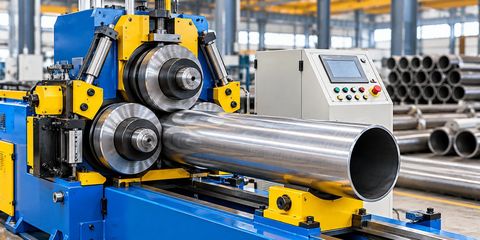
Roller lamination machines use rotating rollers to apply pressure across a surface. They are commonly used for applying decorative films, laminates, and veneers to suitable flat panels.
Flat press machines apply pressure across a broad surface, making them suitable for bonding sheets or layers over larger panels.
Hot press lamination machines combine pressure and controlled heat to support adhesive curing or bonding processes that require elevated temperatures.
Cold press machines apply pressure without deliberately heating the workpiece, depending on adhesives that cure under suitable ambient conditions.
Vacuum membrane presses use a flexible membrane and vacuum pressure to form decorative materials around compatible panel surfaces and profiles.
Edge lamination equipment focuses on applying compatible strips or coverings to exposed panel edges.
The correct machine type depends on the substrate, surface material, adhesive chemistry, panel dimensions, production volume, and required finish.
Main Components and Engineering Principles
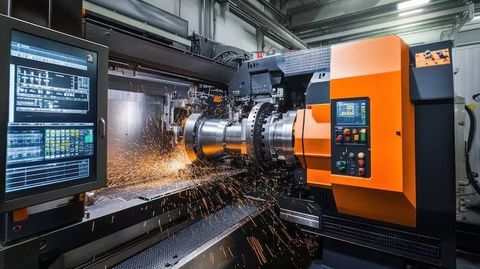
A typical wood lamination machine may include a feed system, rollers or pressing plates, a pressure adjustment mechanism, an adhesive application unit, a heating system where required, and a control panel.
The feed system moves the workpiece through the processing area. Pressure mechanisms help maintain contact between bonded layers, while temperature controls regulate heating when the process requires it. Some systems also include sensors to monitor operating conditions and detect irregular material movement.
Successful lamination depends on more than machine pressure. Surface cleanliness, moisture content, adhesive distribution, material compatibility, and curing conditions all influence the final result.
Importance
Role in Industrial Wood Processing
Wood lamination machines help manufacturers process panels with consistent surface coverage and repeatable bonding conditions. They are useful when production involves numerous similar components, such as cabinet doors, furniture panels, shelving, office partitions, and interior wall panels.
Decorative lamination can also reduce the need for certain finishing operations, depending on the selected material. For example, a factory may apply a prefinished decorative sheet to a suitable substrate rather than apply several separate decorative coatings.
Benefits for Manufacturers and End Users
Controlled lamination can improve production consistency and help reduce defects associated with uneven pressure, poor alignment, and irregular adhesive application. However, these improvements depend on suitable equipment settings, material preparation, and operator practices.
Important considerations include:
Surface quality: consistent pressure helps reduce visible bubbles, wrinkles, and bonding gaps.
Material utilization: accurate feeding and alignment can reduce avoidable trimming and rejected panels.
Production planning: automated feeding and pressing can support repeatable processing sequences.
Product appearance: decorative films and veneers provide different colors, textures, and surface patterns.
Panel performance: properly bonded layers may improve selected surface or structural properties, depending on the material system.
Common Industrial Applications
Wood lamination machines support a range of manufacturing activities. Furniture factories use them for tabletops, wardrobes, shelves, and cabinet panels, while interior construction manufacturers may process doors, partitions, wall coverings, and decorative panels.
Engineered wood producers also use bonding and pressing equipment to manufacture laminated components. These products differ from decorative surface lamination because the process may join structural wood layers rather than apply a thin outer covering.
The distinction is important: a machine designed for decorative film application may not be suitable for structural timber bonding.
Recent Updates
Automation and Digital Process Control
During 2024–2026, industrial woodworking equipment has continued to develop toward greater automation, improved process monitoring, and more flexible production. Current machine configurations may include programmable settings, digital temperature displays, variable-speed drives, and automated material feeding.
These features can help operators repeat established process settings and reduce manual adjustments. More advanced installations may integrate machine data with production monitoring systems, although connectivity and automation levels vary by manufacturer and machine type.
Energy and Material Efficiency
Manufacturers are also paying attention to energy consumption, adhesive use, and material waste. Efficient heating systems, controlled adhesive application, suitable insulation, and well-maintained rollers can help reduce unnecessary resource use.
Actual efficiency depends on the machine design, operating schedule, substrate, adhesive, and factory environment. A heated press, for example, may require more energy during operation than a cold press, but the overall comparison also depends on curing time, throughput, and the production process.
Flexible Surface Materials
Decorative films, high-pressure laminates, veneers, and engineered surface materials are used in different woodworking applications. This variety has encouraged demand for equipment that can accommodate different panel sizes, thicknesses, surface finishes, and bonding methods.
Quick adjustment systems and programmable operating settings can help factories switch between product specifications. Nevertheless, every material combination must be checked for temperature limits, adhesive compatibility, surface preparation, and pressure requirements before production.
Common Machine Selection Factors
Factor | Engineering consideration | Production relevance |
|---|---|---|
Working width | Maximum panel width | Determines compatible workpieces |
Feed speed | Material movement rate | Influences throughput and bonding time |
Pressure range | Force applied during bonding | Affects contact and bond consistency |
Temperature range | Available heating conditions | Must suit adhesive and surface materials |
Panel thickness | Permitted workpiece dimensions | Determines product compatibility |
Control system | Manual or programmable operation | Influences adjustment and repeatability |
Power requirements | Electrical and heating demand | Affects factory installation planning |
Laws or Policies
Machinery Safety Requirements
Wood lamination machines contain moving rollers, pressure mechanisms, electrical equipment, and sometimes heated surfaces. These components can create crushing, entanglement, electrical, and burn hazards if equipment is incorrectly installed or operated.
Applicable machinery safety requirements depend on the country where the machine is installed and used. Manufacturers and factory operators may need to consider machine guarding, emergency stops, electrical protection, operating instructions, maintenance procedures, and worker training.
Operators should never bypass protective devices to maintain production speed. Isolation procedures should be followed before maintenance or cleaning tasks that expose workers to hazardous moving parts or stored energy.
Environmental and Workplace Considerations
Adhesives and surface treatments may contain chemicals that require appropriate handling, ventilation, storage, or disposal. The relevant precautions depend on the product's safety data sheet and the applicable workplace and environmental requirements.
Factories may also need to manage wood dust, equipment noise, waste materials, and emissions from certain adhesive or finishing processes. Suitable extraction systems, housekeeping, protective equipment, and documented procedures can help address these risks.
Electrical and Installation Requirements
Electrical supply, grounding, overload protection, heating circuits, and machine installation should meet applicable local requirements. Industrial equipment may also need inspection, conformity documentation, or specific technical records depending on the jurisdiction.
For international machinery procurement, requirements can differ between the manufacturing location and the destination market. Installation documentation and machine specifications help determine whether the equipment is appropriate for the intended facility.
Tools and Resources
Production Planning and Machine Specifications
Manufacturers can use panel dimensions, production targets, adhesive data, and machine operating ranges to plan a suitable lamination process. A specification sheet should identify working width, maximum panel thickness, feed speed, pressure range, heating capability, electrical requirements, and compatible materials.
Production calculations should account for more than the machine's advertised feed speed. Loading time, adhesive preparation, curing requirements, setup changes, inspection, and rejected panels can all affect actual output.
Adhesive and Material Compatibility
Adhesive technical data sheets describe recommended substrates, application methods, curing conditions, and operating limitations. Safety data sheets provide information about handling, storage, exposure risks, and emergency procedures.
Before processing a new combination of veneer, decorative film, substrate, and adhesive, manufacturers should confirm that the materials are compatible with the machine's operating conditions. Small-scale trials and bond-quality checks can help identify problems before full production begins.
Maintenance and Quality Control
A structured maintenance record can help monitor machine condition and identify recurring defects. Typical inspection items include roller cleanliness, pressure consistency, conveyor alignment, heating performance, electrical connections, and the condition of protective devices.
Quality control may include visual inspection, dimensional checks, adhesion tests, and surface-defect assessment. Testing procedures should match the intended application, since the requirements for a decorative cabinet panel may differ from those for a structural laminated component.
FAQs
What are wood lamination machines used for?
Wood lamination machines bond decorative sheets, veneers, films, or layers of wood to suitable substrates. They are used in furniture production, cabinet manufacturing, interior panels, doors, flooring components, and engineered wood processing.
What is the difference between hot press and cold press lamination machines?
Hot press machines use controlled heat and pressure when the adhesive or material system requires them. Cold press machines rely primarily on pressure and an adhesive that cures under suitable non-heated conditions.
How do industrial wood lamination machines improve production consistency?
They help regulate material movement, pressure, temperature, and alignment. Consistency still depends on substrate preparation, adhesive application, maintenance, and correct operating settings.
Which factors matter when selecting a wood lamination machine?
Important factors include panel dimensions, substrate type, decorative material, adhesive requirements, feed speed, pressure range, heating capability, production volume, and factory power availability.
What maintenance do wood lamination machines require?
Routine maintenance may include cleaning rollers, inspecting belts and moving parts, checking pressure and temperature controls, verifying safety devices, and following the manufacturer's lubrication and inspection schedule.
Conclusion
Wood lamination machines support industrial woodworking by bonding decorative surfaces and structural layers under controlled processing conditions. Their performance depends on machine configuration, material compatibility, adhesive selection, pressure, temperature, and production planning. Automation and digital monitoring are expanding the range of available process controls, while workplace safety and environmental management remain important operational considerations. Understanding these engineering details helps explain how lamination equipment fits into modern furniture and engineered wood manufacturing.