Wheel Alignment Machines Guide With Vehicle Alignment Technology and Automotive Insights
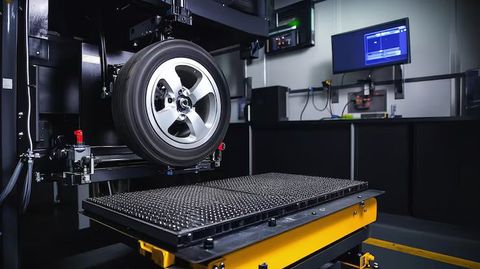
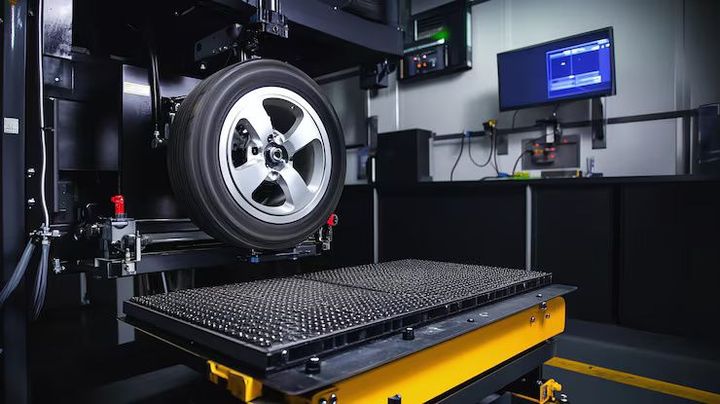
Wheel alignment machines are automotive diagnostic systems designed to measure the position and angles of vehicle wheels in relation to the suspension, steering system, and vehicle body. They help technicians identify whether wheels are positioned according to the vehicle manufacturer’s alignment specifications.
Vehicle alignment technology has developed significantly from early mechanical measurement methods. Traditional systems relied on basic gauges and manual measurements, while modern wheel alignment machines commonly use cameras, sensors, digital targets, and computer-based analysis. These technologies make complex alignment measurements easier to understand and document.
How Wheel Alignment Works
Wheel alignment does not normally involve changing the wheel or tire itself. Instead, the process examines important suspension and steering angles. Adjustments can then be made to compatible suspension components when measurements fall outside specified ranges.
Three common alignment measurements are:
- Camber: The inward or outward tilt of a wheel when viewed from the front of the vehicle.
- Toe: The direction in which paired wheels point when viewed from above.
- Caster: The forward or backward angle of the steering axis when viewed from the side.
Correct measurements vary between vehicle models. For this reason, modern automotive alignment equipment often includes specification databases covering many passenger vehicles, commercial vehicles, and different suspension configurations.
Main Types of Wheel Alignment Machines
Several technologies are used for alignment measurement. Their operating methods differ, although they generally share the same objective of determining wheel geometry.
| Alignment Technology | Measurement Method | Common Application |
|---|---|---|
| CCD alignment | Electronic sensors | Passenger and light commercial vehicles |
| 3D wheel alignment | Cameras and wheel targets | Workshops and inspection facilities |
| Laser alignment | Projected laser reference | Various vehicle categories |
| Camera-based alignment | Digital imaging | Modern alignment systems |
| Portable alignment | Compact sensors or targets | Flexible workshop environments |
A 3D wheel alignment machine typically uses cameras to observe targets mounted near the wheels. Computer software interprets target positions and calculates alignment measurements. This approach reduces some manual measurement steps associated with older systems.
Importance
Wheel alignment affects several aspects of everyday vehicle operation. Roads, potholes, curb contact, suspension wear, steering component changes, and repeated driving over uneven surfaces can gradually influence alignment geometry.
Vehicle owners may notice symptoms such as uneven tire wear, a steering wheel that appears off-center, or a vehicle that tends to move toward one side. These symptoms can have several causes, so wheel alignment measurement is one part of a broader vehicle inspection process.
Tire Wear and Vehicle Handling
Incorrect toe or camber measurements can contribute to irregular tire wear. For example, excessive toe variation may cause the tread to wear differently across its surface. Camber outside the manufacturer’s specified range can contribute to greater wear along one side of a tire.
Alignment also relates to steering behavior. A properly measured vehicle alignment helps confirm whether wheel geometry matches the intended suspension design.
Wheel alignment machines therefore provide useful information for:
- Checking steering and suspension geometry
- Identifying alignment measurements outside specified ranges
- Investigating certain patterns of uneven tire wear
- Checking geometry after suspension component replacement
- Comparing measurements before and after adjustment
- Recording alignment information digitally
Understanding Alignment Results
Modern automotive alignment equipment usually displays measurements using numerical values, diagrams, or visual indicators. The system compares measured angles with information stored for the selected vehicle.
A measurement outside the stored specification does not automatically identify the underlying mechanical cause. Worn suspension parts, damaged components, incorrect tire pressure, vehicle loading, or structural issues may influence results. Physical inspection remains important when interpreting alignment data.
Recent Updates
From 2024 through 2026, wheel alignment technology has continued moving toward greater automation, digital measurement, camera-based systems, and integration with other workshop equipment. Rather than representing one major change, this period reflects continued development of technologies already becoming established in automotive maintenance.
Greater Use of Camera and 3D Systems
3D wheel alignment machines increasingly rely on high-resolution cameras and passive targets. Cameras monitor target movement while software calculates wheel angles. Because the targets themselves may contain no complex electronics, some systems can simplify the equipment attached around each wheel.
Software interfaces have also become more visual. Digital graphics can show individual wheel positions, specification ranges, adjustment progress, and before-and-after measurements.
ADAS and Alignment Technology
Another important development involves advanced driver-assistance systems, commonly called ADAS. Modern vehicles can contain cameras, radar units, steering sensors, and other electronic components supporting functions such as lane monitoring and adaptive driving features.
Wheel geometry and steering position can be relevant to certain calibration procedures. As a result, some automotive environments increasingly coordinate wheel alignment equipment with ADAS calibration processes.
The exact procedure depends on the vehicle manufacturer, model, installed technology, and repair circumstances. Wheel alignment and ADAS calibration remain separate procedures even when their workflows are connected.
Automation and Digital Records
Modern wheel alignment machines increasingly incorporate automatic vehicle identification, specification lookup, guided measurement sequences, and digital reporting. Cloud-connected databases and software updates can also help equipment maintain information for newer vehicle models.
Touchscreen controls and simplified interfaces are another continuing trend. These developments are intended to make large quantities of technical measurement information easier to interpret during routine automotive work.
Laws or Policies
Wheel alignment machines themselves are generally influenced by broader vehicle safety, workshop equipment, roadworthiness, electrical safety, and measurement requirements rather than a single universal alignment law.
Rules vary between countries and regions. Vehicle inspection programs may examine tires, steering, suspension components, and other roadworthiness factors that can be related to alignment condition.
Vehicle and Equipment Requirements
Automotive businesses may need to follow applicable rules covering electrical equipment, machinery operation, workplace safety, environmental practices, and technical inspections. Equipment documentation and manufacturer procedures can also define installation, calibration, and operating requirements.
Where regulated vehicle inspections apply, authorities may establish acceptable conditions for steering components, tires, suspension systems, and wheel condition. Alignment measurements can provide supporting diagnostic information, but requirements depend on the applicable inspection framework.
Calibration and Measurement Accuracy
Wheel alignment equipment depends on accurate measurement. Calibration procedures help ensure that cameras, sensors, turntables, targets, and related components operate within their intended parameters.
Calibration schedules can vary according to machine design, manufacturer instructions, equipment usage, and applicable quality-control requirements. Physical changes to the installation area may also affect some systems.
Tools and Resources
Several resources support the use and understanding of wheel alignment machines. These range from equipment software to vehicle specification databases and basic workshop measurement tools.
Alignment Software and Databases
A vehicle specification database is one of the main resources used with modern wheel alignment technology. After a vehicle is identified, the system retrieves relevant alignment ranges and compares them with measured values.
Common digital resources include alignment specification databases, equipment manuals, diagnostic software, technical documentation, vehicle manufacturer information, and digital inspection records.
Supporting Workshop Tools
Wheel alignment equipment may be used alongside several supporting tools. Tire pressure gauges help identify pressure differences before measurements. Vehicle lifts or alignment racks position the vehicle correctly, while turntables allow front wheels to move during steering-related measurements.
Other useful equipment can include:
- Steering wheel holders
- Brake pedal depressors
- Wheel clamps
- Alignment targets
- Electronic sensors
- Ride-height measurement tools
- Suspension inspection equipment
- Diagnostic scan tools
The exact combination depends on the wheel alignment machine and the vehicle being examined.
Digital Alignment Reports
Many modern systems can generate reports showing initial measurements and measurements recorded after adjustments. Reports may display camber, caster, toe, thrust angle, and other relevant values.
These records can make technical measurements easier to review over time. They can also help technicians compare vehicle geometry with the specifications stored in the alignment system.
FAQs
What does a wheel alignment machine measure?
A wheel alignment machine measures angles associated with the wheels, steering, and suspension geometry. Common measurements include camber, caster, and toe, while advanced equipment may measure additional geometric relationships.
How does a 3D wheel alignment machine work?
A 3D wheel alignment machine generally uses cameras to track targets positioned at the wheels. Software analyzes the target positions and movement, calculates alignment angles, and compares the results with stored vehicle specifications.
What is the difference between CCD and 3D wheel alignment machines?
CCD systems commonly use electronic sensor heads attached near the wheels to communicate alignment measurements. A 3D system typically uses fixed cameras and targets. Both technologies can measure vehicle alignment, but their hardware configuration and measurement process differ.
Can wheel alignment technology detect suspension problems?
Alignment equipment can identify measurements that fall outside expected specifications, but it may not independently determine the mechanical cause. Suspension inspection and other diagnostic procedures may be necessary to identify worn, loose, bent, or damaged components.
Why is vehicle alignment technology important for modern cars?
Modern vehicles combine mechanical steering and suspension systems with increasingly sophisticated electronics. Accurate alignment data helps technicians understand wheel geometry, while some vehicles may also require separate electronic or ADAS-related procedures following certain repairs.
Conclusion
Wheel alignment machines provide precise measurements of wheel and suspension geometry using technologies such as electronic sensors, cameras, digital targets, and computerized analysis. Modern vehicle alignment technology has increasingly incorporated 3D measurement, digital records, automated workflows, and connections with broader automotive diagnostic processes. Understanding camber, caster, toe, equipment calibration, and vehicle specifications helps explain how alignment information is produced and interpreted. From 2024 through 2026, continued digitalization and the growing presence of ADAS-equipped vehicles have remained important influences on automotive alignment technology.