Virtual Power Plant Guide: Types, Operations, Technologies and Grid Integration
A Luxury Hotel Booking Guide helps travelers understand accommodation options, hotel facilities, destinations, reservation procedures, and planning factors associated with premium stays. Luxury hotels developed from historic inns, grand city hotels, and resort properties that provided private rooms, formal dining, and comfortable facilities for travelers.
Context
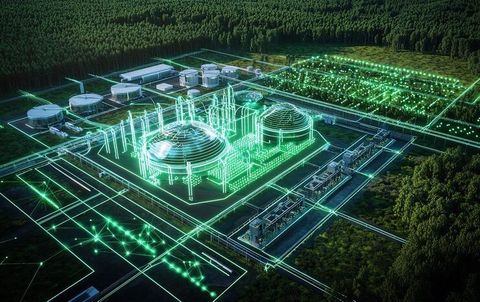
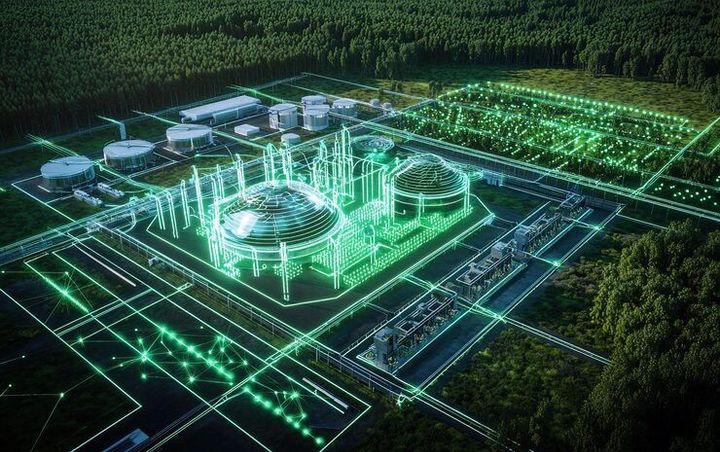
A Virtual Power Plant (VPP) is a digital energy system that connects and coordinates multiple distributed energy resources so they can operate as a combined network. These resources may include rooftop solar panels, battery energy storage systems, electric vehicles, smart appliances, and flexible industrial equipment. Instead of relying on one large power station, a virtual power plant uses software, communication networks, and control systems to manage energy from many separate locations.
The concept developed alongside advances in renewable energy, digital monitoring, and distributed electricity generation. Traditional electricity grids were largely designed around large power stations transmitting electricity through transmission and distribution networks. As solar generation, battery storage, and other smaller energy resources became more common, new methods were needed to coordinate their output and respond to changing electricity demand.
How a Virtual Power Plant Works
A virtual power plant uses a central or distributed control platform to collect information from connected energy resources. Software analyzes electricity demand, generation levels, battery capacity, grid conditions, and market requirements to determine how participating resources should respond.
For example, a VPP may coordinate rooftop solar panels and batteries during a period of high electricity demand. Batteries can discharge stored energy, while flexible appliances may reduce their electricity use when appropriate. The combined response can help balance electricity supply and demand, depending on available capacity and grid rules.
Main Types of Virtual Power Plants
Virtual power plants can be classified according to the resources they coordinate and the purpose of their operation.
Renewable energy VPPs: Coordinate solar panels, wind generation, and other renewable electricity sources.
Battery-based VPPs: Combine distributed batteries to shift electricity use or provide grid support.
Demand-response VPPs: Coordinate changes in electricity consumption across homes, commercial buildings, or industrial facilities.
Hybrid VPPs: Combine generation, storage, and flexible demand within one coordinated system.
Electric vehicle VPPs: Coordinate vehicle charging and, where supported, send electricity from vehicle batteries back to a building or grid.
These categories can overlap. A single virtual power plant may combine solar generation, stationary batteries, electric vehicles, and participating commercial buildings.
Importance
Virtual power plants matter because electricity systems must continuously balance supply and demand. Electricity consumption changes throughout the day, while solar and wind generation depend on weather conditions. When these factors do not align, grid operators may need additional generation, storage, or demand adjustments to maintain reliable electricity delivery.
A virtual power plant can help coordinate smaller energy resources that would otherwise operate independently. Its potential benefits depend on the number of connected resources, their availability, the quality of communications, and the rules governing participation in the electricity system.
Benefits for the Electricity System
Virtual power plants can support several electricity system functions:
Demand balancing: Adjust participating energy use or generation when demand changes.
Renewable energy integration: Coordinate solar and wind resources with storage or flexible consumption.
Peak demand management: Reduce pressure during periods when electricity consumption is particularly high.
Battery coordination: Charge or discharge connected batteries according to system needs and operating limits.
Grid flexibility: Help manage variations in local generation and electricity consumption.
For households, participation may involve allowing a VPP operator to coordinate a home battery, solar installation, or compatible appliance. Businesses may participate through battery systems, backup generation where permitted, or flexible industrial loads. Participation conditions differ, and connected equipment generally needs suitable controls and communication capabilities.
Virtual Power Plant Versus Traditional Power Plant
| Feature | Virtual power plant | Traditional power plant |
|---|---|---|
| Energy resources | Multiple distributed resources | Usually one main generating facility |
| Control method | Software-based coordination | Plant-level control systems |
| Energy generation | May combine several technologies | Depends on the plant's technology |
| Storage integration | Can coordinate distributed batteries | May use on-site storage where installed |
| Geographic arrangement | Resources may be spread across locations | Generation is concentrated at a facility |
| Operational limits | Depends on connected resources and grid access | Depends on plant capacity and operating conditions |
A virtual power plant does not necessarily generate electricity itself. It coordinates existing resources, and its contribution depends on the actual electricity they can generate, store, or avoid consuming.
Recent Updates
From 2024 through 2026, virtual power plant development has increasingly focused on battery storage, renewable energy integration, flexible electricity demand, and more sophisticated digital control. Growth in electric vehicle adoption and distributed energy resources has also increased interest in coordinating devices across homes, commercial properties, and industrial facilities. The scale and maturity of these developments vary by country and electricity market.
Artificial Intelligence and Energy Management
Modern energy management platforms can analyze weather forecasts, electricity demand, battery status, and changing grid conditions. Some systems use machine learning to improve forecasts and scheduling, while automated control software determines when connected equipment should respond.
These technologies can help coordinate large numbers of resources, but their performance depends on accurate data, suitable equipment, reliable communications, and appropriate operating rules. Forecasts can be wrong, and unexpected equipment failures or changes in demand may affect planned output.
Battery Storage and Electric Vehicle Integration
Battery storage is an important part of many VPP projects because stored electricity can be used when solar generation falls or demand rises. Coordinated charging can also help avoid adding unnecessary demand during busy grid periods.
Vehicle-to-grid technology allows compatible electric vehicles to send stored electricity back to the grid when the vehicle, charger, connection, and applicable rules support this function. Ordinary smart charging does not automatically provide vehicle-to-grid capability. Battery availability, driver requirements, charging schedules, and equipment limits must all be considered.
Greater Attention to Cybersecurity
Virtual power plants rely on connected devices, communication networks, and software platforms. This creates cybersecurity considerations involving unauthorized access, inaccurate data, interrupted communications, and the potential misuse of remote controls.
Operators may use authentication, encryption, access controls, monitoring, software updates, and incident-response procedures to reduce risks. The precise measures depend on the system design and the relevant regulatory requirements.
Laws or Policies
Virtual power plants operate within electricity regulations, grid connection requirements, market rules, and data-protection frameworks. The applicable rules depend on the country, state, utility territory, type of energy resource, and whether the VPP participates in wholesale electricity markets or local distribution networks.
Virtual Power Plant Policies in India
In India, VPP development is connected to broader policies concerning renewable energy, battery storage, smart grids, electricity distribution, and demand-side management. The Ministry of Power, the Ministry of New and Renewable Energy, the Central Electricity Authority, the Central Electricity Regulatory Commission, and state electricity regulatory commissions have different responsibilities within the electricity sector.
The Electricity Act, 2003, provides a central legal framework for electricity generation, transmission, distribution, and regulation. Rules and regulations relating to grid connectivity, electricity scheduling, metering, and market participation may affect how a virtual power plant operates. Requirements depend on the resource configuration and the applicable central or state framework.
India's smart metering initiatives and renewable energy programs can support the wider development of distributed energy management. However, these programs do not mean that every VPP configuration is automatically authorized to participate in every electricity market. Technical approval, metering arrangements, utility coordination, and applicable regulatory permissions may be necessary.
Grid Connection and Data Protection
A virtual power plant must operate within the technical conditions applicable to its connected resources. These may include voltage and frequency requirements, power quality standards, metering arrangements, operating limits, and instructions from the relevant grid or distribution operator.
Digital systems may also process household electricity readings, device information, and operational records. Data collection, access, storage, and sharing must be considered in light of applicable privacy and cybersecurity rules. The legal requirements depend on the data involved, the organizations handling it, and the laws in force.
Tools and Resources
Virtual power plant planning involves software for monitoring, forecasting, coordination, and evaluation. The appropriate tools depend on whether the user is a household participant, energy researcher, project developer, electricity utility, or grid operator.
Energy Monitoring and Simulation Tools
Energy management platforms collect information about electricity generation, consumption, and battery status. They may display real-time power flows, historical consumption, battery charge levels, and scheduled operating periods. Some platforms can also coordinate smart inverters, batteries, or compatible appliances.
Simulation tools help researchers and planners estimate how distributed energy resources may respond to changing demand and renewable generation. Models can examine battery capacity, solar output, load profiles, network constraints, and different operating strategies. Results depend on the quality of the input data and the assumptions used.
Useful Websites and Information Sources
The following resources provide information relevant to VPP development and electricity system planning:
Ministry of Power, India: Information about electricity policies, regulations, and sector initiatives.
Ministry of New and Renewable Energy: Updates concerning renewable energy programs and distributed generation.
Central Electricity Regulatory Commission: Regulations and information about relevant electricity market arrangements.
Central Electricity Authority: Technical publications and information about electricity planning and grid development.
International Energy Agency: Research on electricity systems, energy storage, renewable integration, and demand flexibility.
These resources provide policy and technical context rather than confirming that a specific VPP project is approved or operational.
Evaluating a Virtual Power Plant Project
A basic assessment may examine the following factors:
Available capacity: The total generation, storage, or flexible demand that participating resources can provide.
Response time: How quickly the system can respond to a grid instruction or demand change.
Communication reliability: Whether devices can exchange accurate information with the control platform.
Battery limitations: Storage capacity, charging needs, operating conditions, and battery degradation.
Grid compatibility: Connection permissions, metering, technical standards, and network restrictions.
Cybersecurity: Protection of connected devices, control systems, and participant information.
A useful project assessment considers both technical capability and the practical availability of connected resources.
FAQs
What is a virtual power plant and how does it work?
A virtual power plant connects distributed energy resources through software and communication systems. It coordinates electricity generation, storage, and flexible demand to support energy balancing and other grid functions.
What are the main types of virtual power plants?
The main types include renewable energy VPPs, battery-based VPPs, demand-response VPPs, hybrid VPPs, and electric vehicle VPPs. A single system can combine several of these types.
How does a virtual power plant support grid integration?
A VPP coordinates distributed energy resources so their combined output or demand response can align with grid requirements. It can help manage renewable generation changes, peak demand, and battery dispatch, subject to technical and regulatory limits.
Are virtual power plants used in India?
Virtual power plant concepts are relevant to India's renewable energy, battery storage, and smart grid development. Actual deployment and market participation depend on project design, grid connection arrangements, and applicable regulations.
What technologies are used in a virtual power plant?
Common technologies include energy management software, smart meters, communication networks, solar inverters, battery management systems, forecasting tools, and automated controls. Some systems also coordinate electric vehicle charging and compatible vehicle-to-grid equipment.
Conclusion
A virtual power plant coordinates distributed energy resources to support electricity balancing, renewable energy integration, and flexible demand management. Its operation depends on digital controls, reliable communications, compatible equipment, and available generation or storage capacity. In India, electricity regulations and grid connection requirements influence how these systems can participate in the power sector. Understanding VPP types, technologies, and operating limits provides a foundation for evaluating their role in modern electricity networks.

You May Also Like