Ultimate Guide to Boutique Hotel Stays: Best Practices
Learn what defines boutique hotels, their unique benefits, types, and how to select the perfect property for memorable, personalized travel experiences.
Boutique hotels have fundamentally transformed the hospitality landscape by offering an alternative to standardized chain accommodations. These properties prioritize individuality, personalized service, and distinctive character over mass-market efficiency. Unlike large hotel chains that operate according to rigid corporate protocols, boutique hotels typically feature 50 to 200 rooms, locally-inspired design elements, and staff trained to recognize returning guests and anticipate individual preferences. Understanding what defines boutique hotels, how they operate differently, and how to select properties aligned with your travel values enables more satisfying and memorable stays.
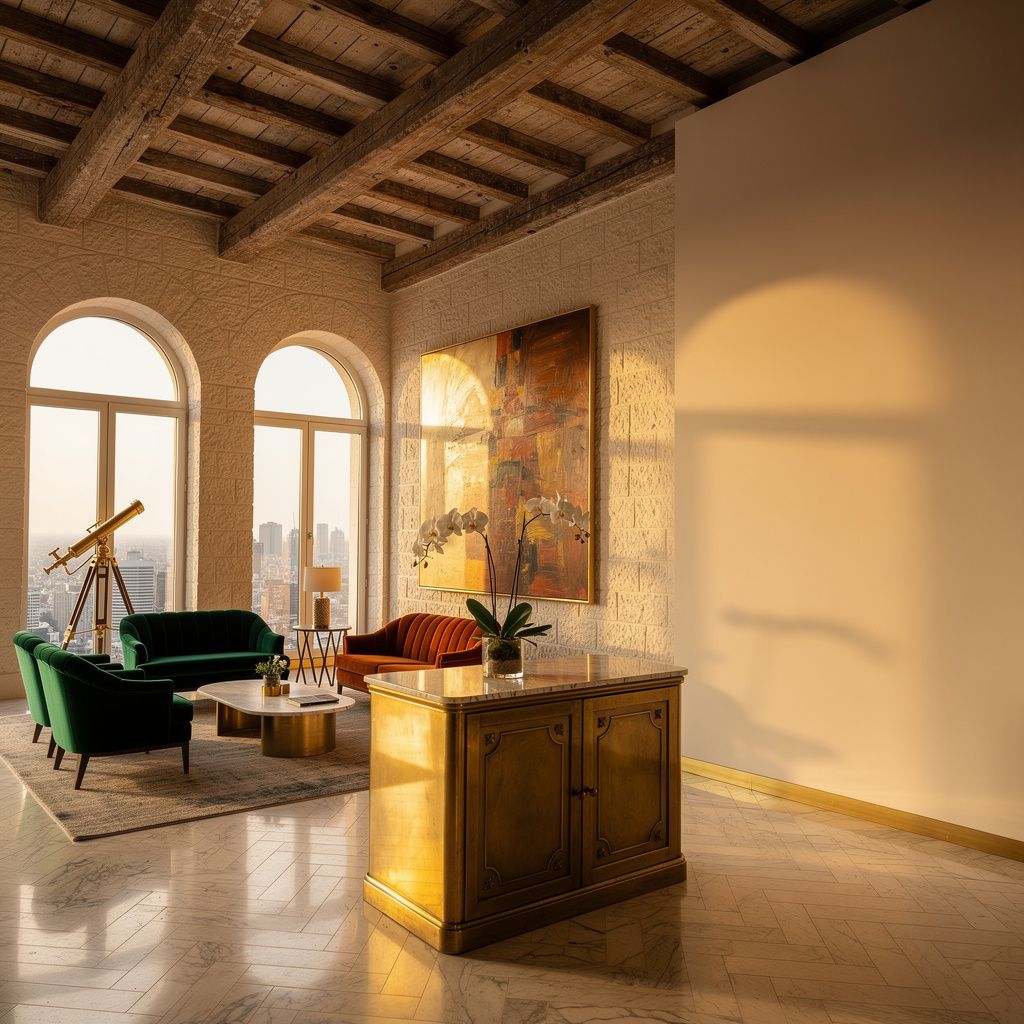
Core Characteristics That Define Boutique Hotels
Boutique hotels share several defining attributes that distinguish them from conventional properties. Room counts remain deliberately limited—typically between 50 and 200 rooms—allowing staff to maintain personal relationships with guests. This scale enables managers to know regular visitors by name and preference, creating service experiences impossible in 500-room properties.
Design philosophy emphasizes local culture, regional aesthetics, and distinctive architectural identity. Rather than replicating a standardized template across multiple locations, boutique properties invest in unique interiors that reflect neighborhood character, local art traditions, and regional materials. A boutique hotel in Barcelona might feature modernist Catalan design elements, while a New Orleans property incorporates historic creole architecture and contemporary art installations.
Amenities curation differs markedly from chain hotels. Instead of offering every possible facility, boutique properties select specific services aligned with their brand identity and target clientele. A design-focused boutique might prioritize a sophisticated restaurant and gallery space while minimizing a fitness center, whereas a wellness-oriented property emphasizes spa facilities and organic breakfast service.
Tangible Benefits and Practical Limitations of Boutique Stays
Significant advantages include personalized service delivery. Staff training emphasizes individual guest recognition and preference documentation. When you return, the concierge remembers your preferred room location, dietary restrictions, and activity interests. This personalization extends to problem-solving—management has authority to address issues immediately rather than following corporate protocols.
Distinctive character and authenticity represent another core benefit. Each property tells a specific story through design, location selection, and service philosophy. Guests experience genuine local connection rather than replicated corporate aesthetics. This authenticity appeals to travelers seeking meaningful engagement with destinations rather than insulated chain experiences.
Community integration provides tangible value. Boutique hotels often partner with local restaurants, galleries, artisans, and cultural institutions. Concierges possess genuine relationships with neighborhood businesses and can provide insider recommendations unavailable through standard tourism channels. This creates opportunities for authentic cultural experiences and access to local networks.
Practical limitations include pricing variability and lack of standardization. Without corporate purchasing power, boutique hotels often charge premium rates for comparable accommodations. Room quality, amenities, and service standards may vary significantly between properties operating under the boutique concept, requiring careful individual evaluation rather than relying on brand consistency.
Loyalty program benefits remain limited. While major chains offer comprehensive point systems and elite status recognition, boutique hotels typically operate independent loyalty programs with modest benefits. Frequent travelers accumulating points across multiple chains cannot consolidate benefits at boutique properties.
Service consistency presents challenges during peak seasons. Smaller staff teams cannot scale service levels when occupancy spikes. A property with ten front-desk employees during normal periods cannot instantly add staff during festivals or conventions, potentially resulting in slower response times during high-demand periods.
Major Boutique Hotel Categories and Their Operational Models
Design-Focused Boutique Hotels prioritize architectural innovation and interior design as primary differentiators. These properties invest heavily in renowned designers, artistic installations, and cutting-edge aesthetics. Rooms function as design showcases, featuring custom furniture, curated art collections, and innovative spatial solutions. Examples include properties designed by internationally recognized architects where the building itself becomes a destination. Service emphasizes design knowledge—staff can articulate design choices and connect guests with local creative communities.
Lifestyle Boutique Hotels organize around specific guest interests: wellness, adventure, culinary experiences, or cultural immersion. A wellness-focused lifestyle boutique emphasizes yoga programming, organic cuisine, spa treatments, and holistic wellness consultations. An adventure-oriented property provides climbing walls, outdoor equipment, and staff expertise in regional hiking and water sports. Service training focuses on activity facilitation and community building among guests sharing similar interests.
Historic Conversion Boutique Hotels occupy restored historic buildings—former mansions, industrial warehouses, cultural institutions, or heritage structures. Design preserves original architectural elements while introducing modern comfort systems. These properties appeal to guests valuing historical authenticity and architectural heritage. Service emphasizes building history education and preservation storytelling.
Luxury Boutique Hotels combine limited scale with premium amenities, exceptional service, and high-end design. These properties operate at luxury price points while maintaining boutique philosophy. They feature Michelin-starred restaurants, spa facilities, personalized concierge services, and exclusive programming. Clientele typically includes luxury travelers seeking personalized experiences and distinctive design alongside premium service standards.
Current Industry Trends Reshaping Boutique Hospitality
Wellness integration has become standard differentiation. Properties now offer curated wellness programming including meditation classes, nutritional consultations, sleep optimization services, and mental health support. This reflects broader traveler interest in health-conscious hospitality beyond traditional spa services.
Sustainability and local sourcing drive operational decisions. Boutique hotels increasingly prioritize locally-sourced materials, zero-waste kitchen operations, renewable energy systems, and community employment. This appeals to environmentally-conscious travelers and aligns with boutique philosophy emphasizing local connection.
Experiential programming creates memorable engagement. Rather than passive accommodation provision, properties curate activities: artist collaborations, chef-led cooking classes, cultural workshops, and community events. These experiences generate guest interaction and strengthen emotional connection to properties.
Technology integration balances innovation with personal service. Mobile check-in, smart room controls, and digital concierge services enhance convenience while maintaining human touchpoints. Successful boutique hotels implement technology that facilitates personalization rather than replacing staff interaction.
Key Features and Specifications for Evaluating Boutique Properties
| Evaluation Criterion | What to Assess | Red Flags to Identify |
|---|---|---|
| Design Coherence | Consistent aesthetic throughout property; original architectural elements; curated art and furnishings | Mismatched décor; generic corporate-style interiors; obvious cost-cutting in finishes |
| Location Authenticity | Neighborhood integration; local business partnerships; staff community knowledge | Generic tourist-focused recommendations; isolation from neighborhood; no local character |
| Service Quality Indicators | Staff training depth; personalization capabilities; management accessibility; problem-solving authority | Scripted interactions; inability to address requests; staff unfamiliar with property details |
| Room Standards | Thoughtful layouts; quality furnishings; functional design; attention to comfort details | Cramped spaces; worn furnishings; poor climate control; inadequate lighting |
| Amenity Alignment | Curated services matching brand philosophy; quality over quantity; functional excellence | Underdeveloped amenities; services that seem disconnected from property identity |
| Value Proposition | Price-to-experience ratio; unique offerings unavailable elsewhere; memorable differentiation | Premium pricing without distinctive value; similar experiences at lower cost elsewhere |
Selecting the Right Boutique Hotel for Your Travel Needs
Effective boutique hotel selection requires systematic evaluation aligned with your travel priorities. Follow this framework:
- Define Your Travel Objectives—Clarify whether you prioritize cultural immersion, wellness, design appreciation, culinary experiences, or relaxation. This determines which boutique category aligns with your needs.
- Research Location Authenticity—Investigate neighborhood character, local business integration, and staff community knowledge. Read reviews specifically assessing whether the property genuinely reflects local culture or functions as a tourist bubble.
- Evaluate Design Philosophy—Review design elements, architectural choices, and aesthetic coherence. Determine whether the design approach resonates with your preferences and whether it appears authentic or superficial.
- Assess Service Capabilities—Contact properties directly with specific requests to gauge staff knowledge, personalization capacity, and problem-solving authority. Quality boutique hotels respond thoughtfully to detailed inquiries.
- Verify Amenity Quality—Research specific amenities important to you. Rather than assuming all boutique hotels offer comparable services, confirm that targeted amenities meet your standards.
- Compare Value Alignment—Evaluate pricing relative to unique offerings. Determine whether premium rates reflect distinctive experiences unavailable at comparable properties.
- Review Guest Feedback Patterns—Analyze reviews for consistent themes regarding service, design authenticity, and value delivery. Identify whether properties consistently deliver their stated philosophy.
Practical Strategies for Maximizing Boutique Hotel Experiences
Communicate Preferences Proactively—Contact properties before arrival with details about your interests, dietary requirements, mobility needs, or special occasions. Boutique hotels excel at personalization when given advance notice, enabling staff to prepare customized experiences.
Engage with Local Programming—Participate in property-curated activities, workshops, or events. These experiences deepen connection to the destination and facilitate meaningful interactions with other guests and staff.
Utilize Concierge Expertise—Rather than relying on generic guidebooks, ask concierges for personalized recommendations aligned with your specific interests. Their neighborhood relationships often enable access to experiences unavailable through standard tourism channels.
Respect Property Philosophy—Understand and respect each boutique hotel's design aesthetic and operational approach. Properties designed for quiet contemplation function differently than those emphasizing social interaction.
Provide Constructive Feedback—Share specific feedback about your experience. Boutique hotels typically respond to guest input more responsively than large chains, and your feedback directly influences service improvements.
Industry Landscape and Notable Implementation Examples
The boutique hotel sector has experienced significant growth, with independent properties and curated collections expanding globally. Notable implementation models include:
Independent Boutique Hotels operate as standalone properties, maintaining complete autonomy over design, service philosophy, and operational decisions. This model enables maximum differentiation but requires strong individual brand development.
Boutique Hotel Collections group independent properties under shared marketing and reservation systems while preserving individual character. Collections provide booking convenience and coordinated loyalty benefits while maintaining property distinctiveness.
Lifestyle Hotel Groups operate multiple properties organized around specific themes—wellness, adventure, cultural immersion—while maintaining boutique-scale operations and personalized service. These groups balance brand consistency with individual property differentiation.
Historic Preservation Boutiques focus specifically on restoring and operating heritage properties. These organizations combine hospitality expertise with architectural preservation, creating distinctive properties with cultural significance.
Comprehensive FAQ: Boutique Hotel Questions Answered
Q: How do boutique hotels differ from luxury chain hotels in service approach?
A: Boutique hotels emphasize personalized, relationship-based service where staff recognize returning guests and customize experiences to individual preferences. Luxury chain hotels, while offering excellent service, follow standardized protocols ensuring consistency across locations. Boutique staff have authority to make individual decisions and exceptions; chain staff typically require manager approval. The distinction centers on personalization versus standardization—boutique hotels prioritize knowing individual guests, while luxury chains prioritize consistent delivery of defined service standards.
Q: Are boutique hotels always more expensive than chain alternatives?
A: Boutique hotel pricing varies significantly based on location, design investment, and service level. Some boutique properties offer comparable rates to mid-range chains, while luxury boutiques command premium pricing. Generally, boutique hotels charge higher rates than budget chains but may be competitive with upscale chain properties. Value depends on whether distinctive offerings justify premium pricing for your specific travel needs. Research comparable properties in each market to understand local pricing dynamics.
Q: What amenities should I expect at a boutique hotel?
A: Amenities vary significantly by property philosophy. Rather than assuming comprehensive facilities, research specific properties. A design-focused boutique might prioritize a restaurant and gallery while minimizing fitness facilities. A wellness boutique emphasizes spa and yoga spaces. Luxury boutiques typically offer comprehensive amenities including fine dining, spa, fitness, and concierge services. Always verify amenities important to you before booking rather than assuming standard inclusions.
Q: How do I ensure a boutique hotel will meet my expectations?
A: Read detailed reviews assessing whether properties deliver their stated philosophy. Contact properties directly with specific questions about your needs—quality boutique hotels respond thoughtfully to detailed inquiries. Research design elements, neighborhood integration, and service approach. Verify that unique offerings justify premium pricing. Request specific information about amenities important to you. This research investment prevents disappointing experiences and ensures alignment between property philosophy and your travel priorities.
Q: Can I earn loyalty benefits at boutique hotels?
A: Most independent boutique hotels operate individual loyalty programs with modest benefits. Boutique hotel collections offer coordinated loyalty programs across member properties. Benefits typically include room upgrades, complimentary amenities, or dining credits rather than point accumulation. Loyalty benefits at boutique hotels differ fundamentally from major chain programs—expect personalized recognition and service improvements rather than transferable points. If loyalty program benefits influence your booking decisions, verify specific programs before booking.
Q: What should I know about booking boutique hotels online versus directly?
A: Booking directly with properties often yields better results. Direct contact enables detailed communication about preferences, special occasions, or specific needs. Properties can customize experiences when given advance notice. Direct booking also supports properties by eliminating third-party commission costs. Online travel agencies offer convenience and comparative pricing but reduce opportunities for personalized communication. Consider your priorities—if personalization matters, direct booking typically yields superior experiences.
Key Takeaways and Actionable Insights
Boutique hotels represent a fundamentally different hospitality philosophy emphasizing personalization, distinctive character, and local integration over standardized efficiency. Their smaller scale, unique design, and relationship-focused service create memorable experiences for travelers seeking authentic connections to destinations.
Successful boutique hotel selection requires moving beyond generic brand assumptions and systematically evaluating individual properties against your specific travel priorities. Research location authenticity, design philosophy, service capabilities, and value alignment. Communicate preferences proactively to enable personalized experiences. Engage actively with property programming and concierge expertise to maximize your stay.
The boutique hotel sector continues evolving with wellness integration, sustainability emphasis, and experiential programming becoming standard differentiators. Understanding these trends helps identify properties aligned with contemporary hospitality values and guest expectations.
Whether you prioritize design appreciation, cultural immersion, wellness experiences, or culinary excellence, boutique hotels offer distinctive alternatives to standardized chain accommodations. Thoughtful selection and active engagement transform stays into meaningful travel experiences reflecting your individual values and interests.