How to Find Studio Apartments: A Complete Rental Guide
Learn how to navigate the studio apartment rental market with practical strategies for finding, evaluating, and securing the perfect compact living space for your needs.
Studio apartments represent one of the most accessible entry points into independent housing, offering an economical and practical solution for those seeking their own space. Whether you're a young professional, a student, or someone downsizing from a larger home, understanding the studio rental market is essential for making a confident decision. This guide walks you through every aspect of studio apartment rentals, from identifying your needs to finalizing a lease agreement.
Understanding Studio Apartments and Their Appeal
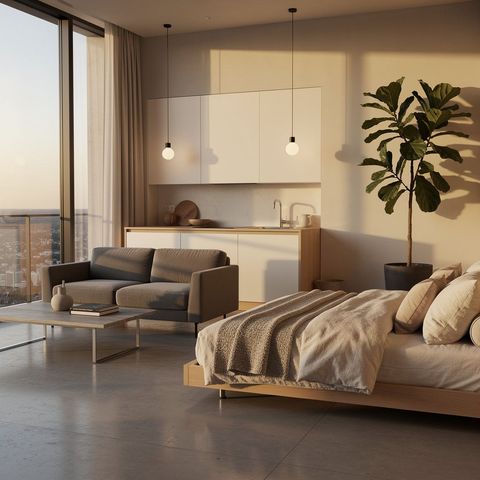
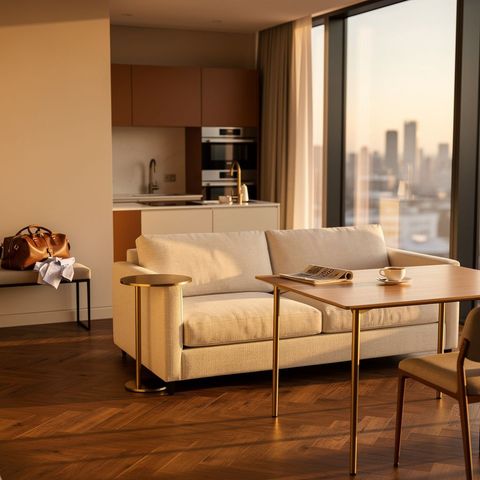
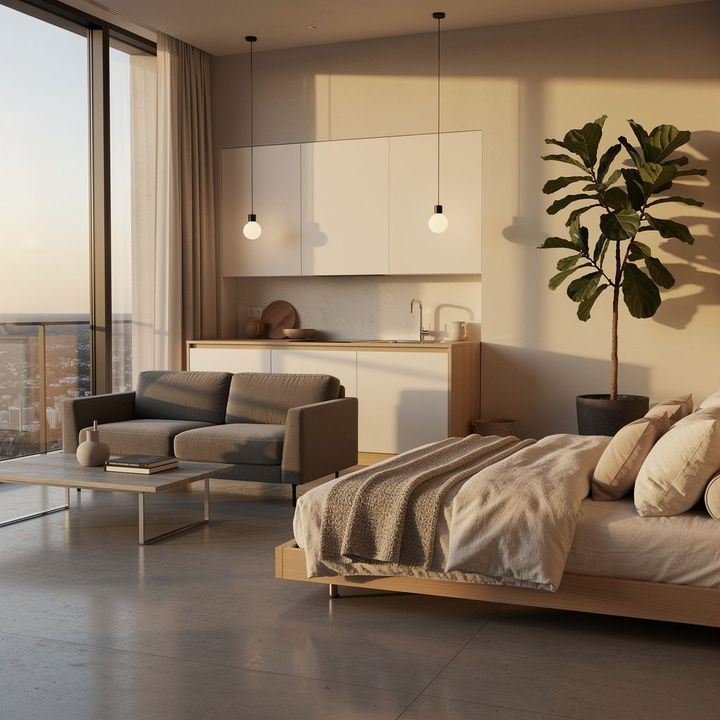
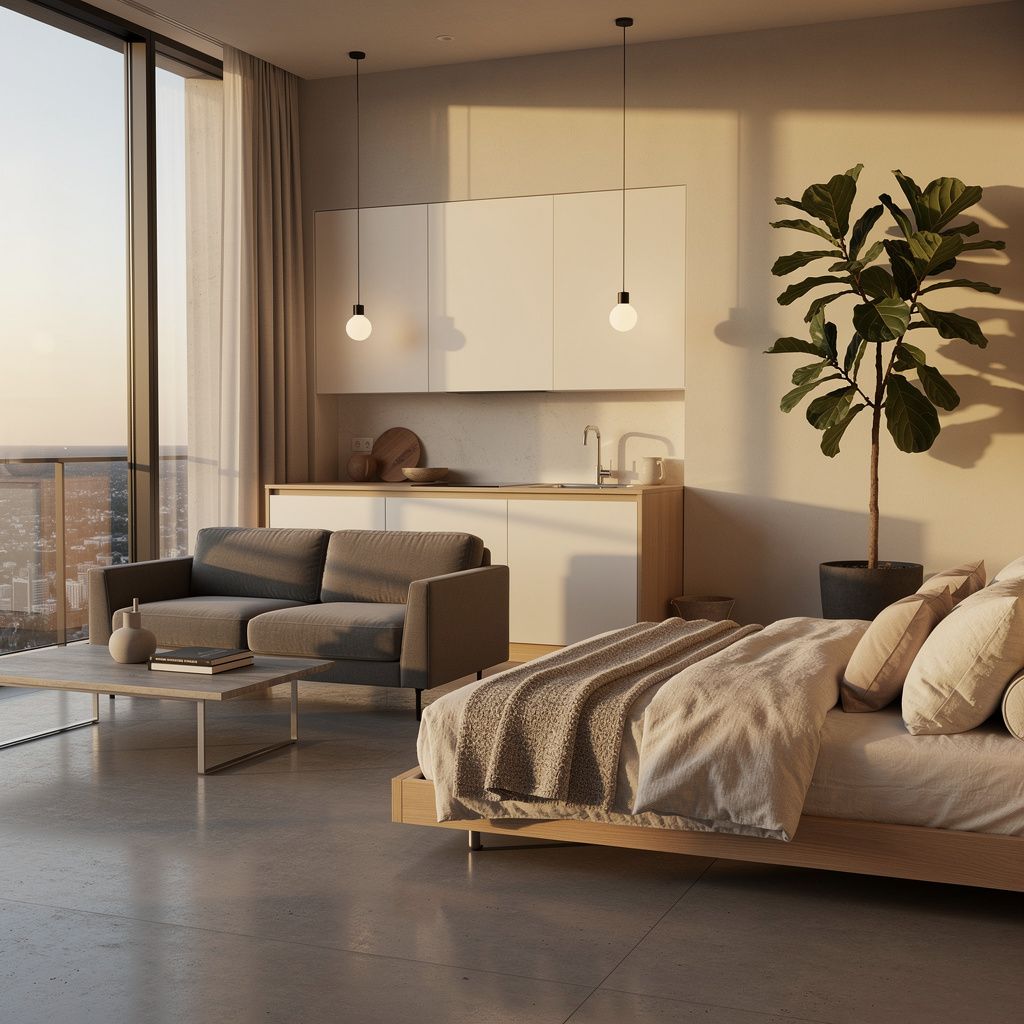
A studio apartment is a compact residential unit that combines living, sleeping, and kitchen areas into one open or semi-open space, with a separate bathroom. Unlike one-bedroom apartments, studios eliminate hallways and unnecessary divisions, maximizing usable square footage. The typical studio ranges from 300 to 600 square feet, though this varies significantly by location and market.
The appeal of studio living extends beyond affordability. Many renters appreciate the lower utility costs, minimal cleaning requirements, and the simplicity of maintaining a smaller space. Urban professionals often choose studios for their proximity to job centers and entertainment districts, while others value the reduced financial commitment that allows for greater flexibility and savings.
Benefits and Limitations of Studio Living
Studio apartments offer distinct advantages that make them attractive to specific demographics. The primary benefit is cost-effectiveness—studios typically rent for 20 to 40 percent less than one-bedroom units in the same area. This affordability extends to utilities, insurance, and maintenance expenses. Additionally, studios require less time and energy to clean and organize, appealing to busy professionals.
However, studio living presents legitimate challenges. Limited space means restricted storage options, making organization crucial. The open floor plan can create noise and cooking smell issues, and entertaining guests becomes logistically complicated. Privacy is limited, and the space may feel cramped for couples or those with work-from-home arrangements requiring dedicated office areas.
| Aspect | Benefits | Limitations |
|---|---|---|
| Cost | Lower rent and utilities | Limited negotiation power |
| Space | Minimal maintenance | Storage constraints |
| Location | Often in desirable areas | May lack amenities |
| Flexibility | Easier to leave | High turnover competition |

Types of Studio Apartments
Studio apartments come in several configurations, each suited to different needs and preferences. Understanding these variations helps you identify which style best matches your lifestyle.
Open-Concept Studios
The most common type, open-concept studios feature a single large room with minimal separation between living, sleeping, and kitchen areas. These maximize perceived space and are ideal for minimalists who spend limited time at home.
Alcove Studios
Alcove studios include a recessed sleeping area separated from the main living space by a partial wall, curtain, or sliding door. This configuration provides subtle privacy and psychological separation, making the space feel less cramped.
Junior One-Bedroom Studios
These units feature a small separate bedroom or den-like space in addition to the main living area. While still compact, they offer more privacy and functional separation than traditional studios.
Loft-Style Studios
Popular in converted industrial buildings, loft studios feature high ceilings, exposed brick, and large windows. These appeal to creative professionals and those valuing aesthetic appeal alongside affordability.
Current Market Trends in Studio Rentals
The studio rental market continues evolving in response to changing work patterns and housing preferences. Remote work has increased demand for studios with dedicated workspace, prompting landlords to emphasize desk areas and internet infrastructure. Additionally, sustainability concerns drive interest in compact living as an environmentally conscious choice.
Urban markets show strong studio demand as younger demographics prioritize location and walkability over square footage. Conversely, suburban and secondary markets are experiencing increased studio development as builders recognize the demographic shift toward smaller household sizes. Amenities like co-working spaces, fitness facilities, and community areas have become standard in modern studio complexes.
Essential Features and Amenities to Prioritize
When evaluating studio apartments, certain features significantly impact daily living quality. Natural light is crucial in compact spaces, making window size and orientation important considerations. Efficient kitchen layouts with adequate counter space and storage become critical when cooking occurs in the main living area.
Bathroom size and condition matter more in studios since you spend proportionally more time there. Storage solutions—closets, built-in shelving, and pantry space—directly affect livability. Climate control systems, soundproofing between units, and flooring type also influence comfort. Modern studios increasingly feature in-unit laundry or access to laundry facilities, which significantly enhances convenience.
Understanding the Studio Rental Landscape
The studio rental market varies dramatically by geography, with coastal cities and major metropolitan areas commanding premium prices. Understanding local market conditions helps establish realistic expectations about what's available within your budget. Research average rental rates, vacancy rates, and tenant protections in your target area before beginning your search.
Different landlord types offer varying experiences. Large property management companies typically offer standardized leases and professional maintenance but less flexibility. Individual landlords may negotiate more readily but offer inconsistent service. Newer apartment complexes provide modern amenities and updated systems, while older buildings may offer character and lower prices but require more maintenance attention.
Step-by-Step Guide to Finding Your Studio Apartment
Successfully finding a studio requires systematic approach and clear priorities. Start by defining your non-negotiable requirements—budget, location, and essential amenities. Establish a realistic price range based on local market conditions, typically allocating no more than 30 percent of gross income to rent.
Next, identify your ideal neighborhoods considering commute times, walkability, and lifestyle preferences. Research crime statistics, public transportation access, and nearby services. Use multiple listing platforms to survey available options, setting up alerts for new listings matching your criteria.
When contacting landlords or property managers, prepare questions about lease terms, utility costs, pet policies, and maintenance procedures. Request virtual tours if in-person visits aren't immediately possible. Schedule multiple viewings to compare options and assess neighborhoods at different times of day.
Practical Tips for Studio Apartment Success
- Maximize vertical space using tall shelving and wall-mounted storage to maintain functionality
- Invest in multi-functional furniture like ottomans with storage or murphy beds for flexibility
- Use room dividers, curtains, or strategic furniture placement to create distinct zones
- Implement a minimalist approach, keeping only items you regularly use and genuinely value
- Utilize under-bed storage, over-door organizers, and corner solutions for hidden storage
- Choose light colors and mirrors to enhance the sense of space and natural light
- Establish clear boundaries with roommates if sharing a studio apartment
- Maintain regular cleaning schedules to prevent clutter accumulation in tight quarters
What Landlords Look for in Studio Tenants
Understanding landlord expectations increases your chances of approval. Most landlords prioritize stable income, typically requiring monthly earnings of at least 30 to 40 times the monthly rent. A strong credit history demonstrates financial responsibility, while previous landlord references confirm your reliability as a tenant.
Background checks are standard, and landlords prefer tenants without eviction history or serious criminal records. Employment verification and proof of income through recent pay stubs or employment letters are typically required. Some landlords conduct interviews to assess communication style and compatibility with building culture.
Frequently Asked Questions About Studio Rentals
How much should I spend on studio apartment rent?
Financial experts recommend allocating no more than 30 percent of your gross monthly income to rent. For example, if you earn $3,000 monthly, a studio rent of $900 or less is sustainable. This guideline ensures you maintain adequate funds for other expenses and emergency savings.
What's the difference between a studio and a one-bedroom apartment?
The primary difference is the separate bedroom. One-bedroom apartments include a dedicated sleeping room distinct from the living area, while studios combine these spaces. One-bedrooms typically cost 20 to 40 percent more but provide better privacy and functional separation.
Can I negotiate studio apartment rent?
Negotiation is possible, particularly in slower rental markets or when signing longer leases. Individual landlords are often more flexible than large management companies. Offering to sign a longer lease, paying several months upfront, or agreeing to immediate occupancy can strengthen your negotiating position.
What utilities are typically included in studio rent?
Utility inclusion varies by property. Some studios include water, trash, and basic cable, while others require tenants to pay all utilities separately. Always clarify utility responsibilities before signing a lease, as this significantly impacts your total housing costs.
Is it difficult to find studio apartments in competitive markets?
In competitive urban markets, studios rent quickly due to high demand and lower prices. Success requires being prepared with documentation, moving quickly when suitable options appear, and potentially applying to multiple properties simultaneously. Having references and financial documentation ready accelerates the application process.
What should I look for during a studio apartment viewing?
During viewings, assess natural light quality, storage capacity, appliance condition, and bathroom functionality. Check water pressure, heating systems, and overall cleanliness. Ask about maintenance response times and evaluate noise levels from neighboring units and outside traffic.
Conclusion: Making Your Studio Apartment Decision
Studio apartments represent a practical housing solution for individuals prioritizing affordability, location, and simplicity. By understanding the different studio types, evaluating your specific needs, and following systematic selection strategies, you can find a space that enhances your lifestyle rather than constraining it. Success in studio living depends on honest self-assessment about your space requirements, realistic expectations about limitations, and commitment to thoughtful organization and maintenance. Whether you're embarking on your first independent housing experience or intentionally downsizing, the studio rental market offers diverse options across most markets. Take time to research thoroughly, ask detailed questions, and visit multiple properties before committing to a lease. With proper preparation and realistic expectations, your studio apartment can become a comfortable, affordable home that aligns perfectly with your current life stage and goals.