Turbocharger Spare Parts: A Guide to Components, Compatibility, Performance and Maintenance
Turbocharger spare parts are individual components used to inspect, maintain, repair, or rebuild a turbocharger system. A turbocharger is an air-compression device fitted to many diesel and petrol engines. It uses energy from exhaust gases to rotate a turbine, which drives a compressor that pushes additional air into the engine.
More air allows an engine to burn fuel more effectively under suitable operating conditions. Turbochargers are therefore found in passenger vehicles, commercial vehicles, construction equipment, agricultural machinery, generators, marine engines, and industrial power systems.
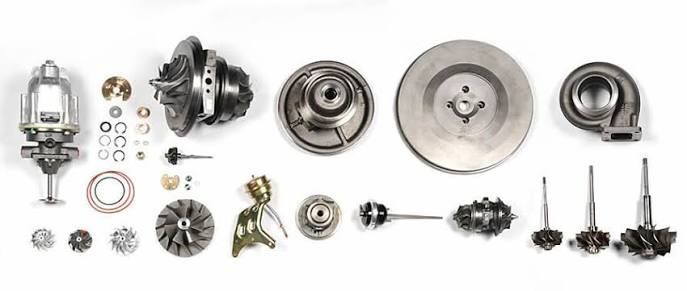
A turbocharger contains several precision components that work together at high rotational speeds and temperatures. Common turbocharger spare parts include:
Compressor wheels
Turbine wheels
Turbocharger shafts
Journal bearings
Thrust bearings
Oil seals and piston rings
Bearing housings
Compressor housings
Turbine housings
Actuators
Wastegate components
Nozzle rings
Gaskets and sealing rings
Each component has a particular role. A damaged bearing, for example, can affect shaft movement, while a worn seal may allow oil to enter areas where it should not be present.
How turbocharger components work together
The exhaust side of the turbocharger contains the turbine wheel and turbine housing. Exhaust gases pass through this section and cause the turbine wheel to rotate. The shaft transfers this rotational movement to the compressor wheel on the intake side.
The compressor draws in atmospheric air and compresses it before the air enters the engine. Between these rotating components is a bearing system designed to control shaft movement and reduce friction. Engine oil normally provides lubrication and helps manage heat around the bearing assembly.
Because the parts operate together, replacing one component can require checking related components as well. Correct dimensions, material characteristics, balance, and compatibility with the particular turbocharger model are important considerations.
Importance
Why turbocharger spare parts matter
Turbocharger components operate under demanding conditions. High rotational speed, exhaust heat, pressure changes, lubrication requirements, and vibration can gradually affect individual parts. The condition of the turbocharger can therefore influence engine operation, fuel use, emissions, and mechanical reliability.
For vehicle and equipment operators, understanding turbocharger spare parts can make maintenance discussions easier. It also helps distinguish between a problem originating in the turbocharger and one caused by another engine system.
A turbocharger issue may involve symptoms such as:
Reduced engine response
Unusual whistling or mechanical noise
Visible exhaust smoke
Increased oil consumption
Reduced power under load
Oil contamination around the intake system
Irregular boost pressure
These symptoms do not automatically indicate a failed turbocharger. Problems involving air filters, intake pipes, exhaust restrictions, lubrication, fuel systems, sensors, or engine components can produce similar signs.
Matching parts with equipment
Correct identification is an important part of turbocharger maintenance. A turbocharger may have several identifying numbers, including a manufacturer number, assembly number, model designation, or component reference.
The following information can help identify the correct component:
| Identification detail | Why it matters |
|---|---|
| Turbocharger model | Establishes the basic unit configuration |
| Assembly number | Helps identify a specific turbocharger version |
| Engine model | Connects the turbocharger with its intended engine |
| Component number | Identifies an individual replacement component |
| Shaft or wheel dimensions | Helps confirm physical compatibility |
| Manufacturer data | Provides technical specifications |
| Equipment model | Connects the component with a particular machine |
Using appearance alone can be unreliable because components from different turbocharger models may look similar while having different dimensions or operating characteristics.
Role in equipment maintenance
For construction machines, agricultural equipment, generators, trucks, and industrial engines, a turbocharger can influence how the engine performs under load. A properly functioning turbocharger allows the engine to receive the intended amount of compressed air within its designed operating range.
Maintenance therefore involves more than replacing a visibly damaged component. Technicians generally inspect the turbocharger, lubrication system, air intake, exhaust system, and related engine components to identify the underlying reason for a failure.
Recent Updates
Developments from 2024–2026
Turbocharger technology continues to evolve alongside changes in engine design and emissions requirements. Recent development has increasingly focused on improved airflow management, electronic control, thermal management, and compatibility with engines designed around stricter emissions limits.
Electronic actuators are increasingly relevant in some modern turbocharger systems. Instead of relying only on mechanical control mechanisms, electronically managed systems can adjust turbocharger operation according to engine conditions and control requirements.
Another trend is greater attention to turbocharger efficiency across different engine operating conditions. Manufacturers and engine developers continue to examine compressor geometry, turbine design, bearing systems, and control strategies to manage airflow and pressure more precisely.
Materials and manufacturing
Modern turbocharger components may use specialized alloys and precision manufacturing methods because they must withstand heat, pressure, rotational forces, and repeated thermal changes. Turbine components in particular require materials capable of operating in high-temperature exhaust environments.
Computer-aided design, precision machining, dimensional inspection, and balancing equipment are important parts of contemporary turbocharger component production. These technologies can help manufacturers maintain close dimensional tolerances and consistent component characteristics.
Environmental considerations
Emissions regulations are also influencing turbocharger development. As engines are designed to meet changing emissions requirements, air management becomes increasingly integrated with fuel injection, exhaust treatment, sensors, and electronic engine controls.
This means turbocharger spare parts should not be considered separately from the wider engine system. A replacement component may need to match the specifications and control arrangement of the complete engine and turbocharger assembly.
Laws or Policies
Indian regulatory context
In India, vehicle and engine emissions are regulated through national standards administered through government frameworks. The Bharat Stage emissions system establishes requirements for road vehicles, while other categories of engines and equipment may be governed by separate regulatory provisions.
Turbocharger components can indirectly relate to emissions because they influence the amount of air entering an engine. However, a turbocharger component should not be viewed as an emissions-control device by itself. Overall emissions depend on the complete engine and exhaust system.
Compliance and replacement considerations
When turbocharger spare parts are used in road vehicles, the replacement component should be compatible with the vehicle's original configuration and applicable requirements. Changes that alter engine performance or emissions characteristics may be subject to additional regulatory considerations.
For industrial and off-road equipment, applicable requirements can vary according to equipment category, engine type, location, and operating environment. Documentation from the equipment or engine manufacturer can help establish the applicable technical specifications.
Safe handling is another important consideration. Turbochargers can contain hot surfaces, rotating components, and pressurized or lubricated systems. Inspection and maintenance should therefore follow appropriate technical procedures and workplace safety practices.
Tools and Resources
Identification and technical resources
Several resources can help with turbocharger spare parts identification and maintenance. Manufacturer parts catalogs, engine manuals, turbocharger identification plates, technical drawings, and equipment documentation can provide useful reference information.
A turbocharger identification plate may contain numbers that distinguish one assembly from another. Recording these numbers before disassembly can reduce confusion when comparing components.
Inspection equipment
Professional inspection can involve several types of equipment, depending on the turbocharger and the nature of the investigation. Common resources include:
Digital measuring instruments for dimensional checks
Micrometers for precision component measurement
Dial indicators for shaft movement checks
Cleaning equipment for component preparation
Balancing equipment for rotating assemblies
Pressure testing equipment
Visual inspection tools
Manufacturer technical manuals
Digital parts catalogs and equipment databases can also assist with identifying component references. However, catalog information should be checked against the actual turbocharger identification and engine configuration.
Maintenance records
A maintenance record can provide useful information about turbocharger history. Important entries may include operating hours, inspection findings, component replacements, oil changes, unusual symptoms, and engine operating conditions.
Keeping these records can help identify recurring patterns. For example, repeated bearing damage may indicate a lubrication or contamination issue rather than an isolated component problem.
FAQs
What are turbocharger spare parts?
Turbocharger spare parts are individual components used for inspection, maintenance, repair, or rebuilding of turbocharger assemblies. They can include bearings, shafts, compressor wheels, turbine wheels, seals, housings, actuators, gaskets, and other related components.
How do I identify the correct turbocharger spare parts?
Start with the turbocharger identification plate, assembly number, manufacturer reference, engine model, and equipment model. Physical measurements can provide additional confirmation, but visual similarity alone should not be treated as sufficient identification.
Which turbocharger parts commonly require inspection?
Bearings, shafts, compressor wheels, turbine wheels, seals, housings, and actuator components may require inspection depending on operating conditions and symptoms. The surrounding lubrication, intake, and exhaust systems should also be examined when investigating a turbocharger problem.
What causes turbocharger spare parts to wear?
Wear can result from inadequate lubrication, contaminated oil, foreign material entering the intake, excessive heat, improper operating conditions, shaft imbalance, restricted airflow, or other engine-related problems. The specific cause depends on the equipment and operating environment.
Can turbocharger spare parts be used across different engine models?
Compatibility cannot be assumed simply because two components appear similar. Dimensions, materials, flow characteristics, mounting arrangements, rotational requirements, and manufacturer specifications may differ between turbocharger and engine models.
Conclusion
Turbocharger spare parts include the precision components that support the operation, inspection, maintenance, and rebuilding of turbocharger assemblies. Correct identification depends on technical references such as turbocharger numbers, engine models, component specifications, and dimensional information. Developments from 2024–2026 have continued to emphasize electronic control, airflow management, specialized materials, and compatibility with changing emissions requirements. In India, applicable vehicle and engine regulations provide an important context for turbocharger systems and their replacement components.