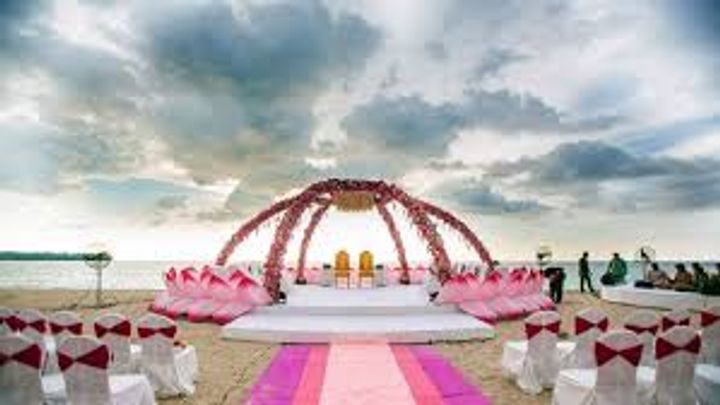
The Ultimate Guide to Getting Married Abroad: Tips, Steps
Getting married abroad, often called a destination wedding, refers to holding a wedding ceremony in a country different from where one or both partners live. This practice has grown in popularity as travel has become more accessible and couples seek meaningful locations such as beaches, historic cities, or scenic countryside settings. The idea combines a personal milestone with a travel experience, creating a memorable event for the couple and their guests.
The concept of marrying abroad is not new. In many cultures, couples have long traveled to places of spiritual or cultural significance to formalize their union. Today, this approach is shaped by global connectivity, digital planning tools, and the availability of international venues that accommodate ceremonies for visitors.
Planning a wedding in another country involves more than choosing a scenic location. It includes understanding legal requirements, organizing travel logistics, coordinating with local vendors, and ensuring that the ceremony is recognized in the couple’s home country if needed. These steps require careful preparation but can be managed effectively with the right information.
Importance
Getting married abroad matters to many people because it offers flexibility in how and where a wedding takes place. Some couples prefer a smaller gathering in a peaceful setting, while others want a cultural experience that reflects their shared interests. This approach can also simplify guest lists, as travel requirements naturally limit attendance.
For many, the process addresses practical challenges. Traditional weddings in home countries can involve complex arrangements, large guest counts, and multiple ceremonies. A destination wedding can streamline these elements into a single event. It may also allow couples to combine their wedding and honeymoon in one trip, reducing the need for separate planning.
However, the process also introduces challenges. These include navigating unfamiliar legal systems, managing travel documents, and coordinating with people in different time zones. Weather conditions, language barriers, and cultural differences can also influence the experience. Understanding these factors helps couples make informed decisions and avoid unexpected issues.
Recent Updates
In recent years, several trends have influenced how people approach getting married abroad. One noticeable shift is the increased use of digital tools for planning. Virtual venue tours, online consultations, and digital document submission have made it easier to organize events remotely.
There has also been a growing interest in smaller, more personalized ceremonies. Many couples now focus on intimate gatherings rather than large events. This trend aligns with broader changes in travel preferences, where people prioritize meaningful experiences over scale.
Another development is the rise of eco-conscious weddings. Couples are paying more attention to environmental impact, choosing locations that support sustainable practices or reducing travel-related emissions by limiting guest numbers.
Travel regulations have also evolved. Entry requirements, documentation processes, and health-related guidelines have become more structured in many countries. While these rules vary, they have encouraged couples to plan earlier and confirm requirements well in advance.
Laws or Policies
Legal requirements for getting married abroad vary widely depending on the country. Some countries allow foreign nationals to marry with minimal paperwork, while others have stricter procedures.
Marriage Eligibility and Documentation
Most countries require proof that both individuals are legally allowed to marry. This may include:
- Valid passports
- Birth certificates
- Proof of single status or divorce documents if applicable
- Witnesses for the ceremony
In some cases, documents must be translated into the local language or certified by authorities.
Residency and Waiting Periods
Certain countries require couples to stay for a specific period before the ceremony can take place. This waiting period ensures that documents are verified and legal conditions are met. In other locations, no residency requirement exists, making the process quicker.
Recognition in Home Country
A key consideration is whether the marriage will be recognized in the couple’s home country. Many countries accept marriages conducted abroad if they comply with local laws where the ceremony occurred. However, couples may need to register the marriage or provide official documentation upon returning home.
Civil vs. Symbolic Ceremonies
Some couples choose a legal civil ceremony in their home country and hold a symbolic ceremony abroad. This approach simplifies legal procedures while still allowing for a destination celebration. Others complete all legal steps in the destination country.
Tools and Resources
Planning a wedding abroad involves coordination across multiple areas. Several tools and resources can support this process.
Planning and Organization Tools
Digital planning platforms help track tasks, timelines, and guest details. These tools often include checklists, budget trackers, and communication features that keep everything organized in one place.
Travel and Documentation Resources
Government websites provide official information about visa requirements, marriage laws, and document authentication. Embassies and consulates are also useful sources for accurate and updated guidance.
Budget and Expense Calculators
Online calculators can help estimate overall expenses, including travel, accommodation, and event arrangements. These tools allow couples to compare different destinations and adjust plans based on their financial situation.
Communication and Coordination Platforms
Messaging apps and video conferencing tools make it easier to communicate with local coordinators, venues, and vendors. These platforms are especially helpful when planning across different time zones.
Example Planning Timeline
| Phase | Key Activities |
|---|---|
| 12–9 months before | Choose destination, check legal requirements |
| 9–6 months before | Book venue, arrange travel documents |
| 6–3 months before | Send invitations, confirm guest arrangements |
| 3–1 months before | Finalize ceremony details, prepare documents |
| Final weeks | Travel to destination, complete legal formalities |
This timeline can vary depending on the destination and the complexity of the ceremony.
FAQs
What documents are needed for getting married abroad?
Common documents include passports, birth certificates, and proof of marital status. Some countries may require translations or official certification of these documents. Checking local regulations is essential before traveling.
Is a marriage abroad legally valid in my home country?
In many cases, a marriage performed abroad is recognized if it follows the laws of the destination country. However, additional registration or documentation may be required upon returning home.
How long does it take to plan a destination wedding?
Planning timelines can vary, but many couples begin preparations 9 to 12 months in advance. This allows enough time to manage travel arrangements, legal requirements, and guest coordination.
What are the common challenges when getting married abroad?
Challenges may include language differences, unfamiliar legal systems, and travel logistics. Weather conditions and cultural practices can also affect planning. Early research and preparation help reduce these difficulties.
Can we have both a legal and symbolic ceremony when getting married abroad?
Yes, some couples complete the legal ceremony in their home country and hold a symbolic event abroad. This approach simplifies legal processes while still allowing for a meaningful destination celebration.
Conclusion
Getting married abroad combines travel and tradition in a unique way, offering flexibility in how couples celebrate their union. While the process involves legal, logistical, and cultural considerations, careful planning can help manage these aspects effectively. Understanding documentation, local regulations, and available tools plays an important role in ensuring a smooth experience. With the right preparation, couples can create a wedding that reflects their preferences while meeting necessary requirements.