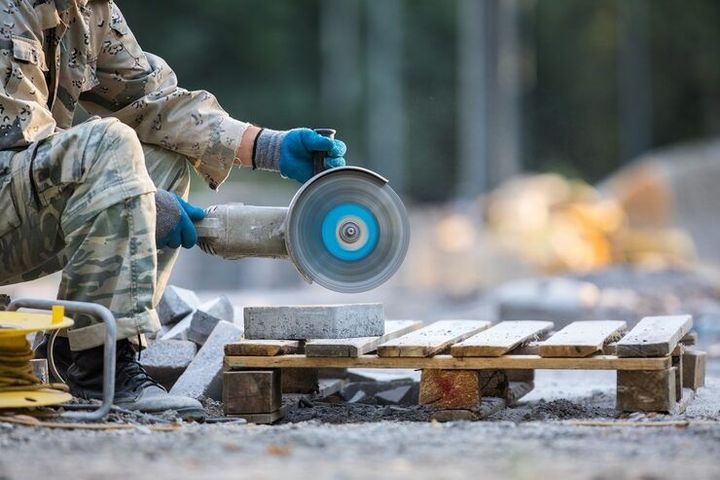
Stone Cutting Machine Explained: Types, Components, Cutting Methods, Applications and Key Features
A stone cutting machine is equipment designed to cut natural or manufactured stone into specified shapes and sizes. It is used with materials such as granite, marble, limestone, sandstone, slate, engineered stone, concrete products, and similar mineral materials.
What Is a Stone Cutting Machine?
Stone cutting machines combine a motor, cutting tool, work surface, and movement system to separate or shape mineral materials. Many models use diamond blades because diamond particles can abrade hard stone effectively. Depending on the machine, the blade may move across a fixed slab, or the stone may move through a cutting area.
The equipment exists because hand-operated cutting can make repeatable dimensions difficult, particularly with large slabs or thick blocks. Mechanized systems provide more controlled blade movement, cutting depth, and alignment.
Where Did Stone Cutting Equipment Come From?
Stoneworking originally relied on hand tools, wedges, chisels, abrasives, and basic saws. Mechanical saws later developed for larger pieces and harder materials.
Modern equipment uses diamond cutting tools, electric motors, hydraulic movement, digital controls, and CNC systems for a wider range of cutting patterns.
Importance
Why Does Stone Cutting Matter?
Stone varies in hardness, grain structure, thickness, and internal features. Controlled cutting helps create planned dimensions.
Stone cutting machines are used in construction materials, flooring, wall cladding, kitchen and bathroom surfaces, monuments, landscaping, tiles, and concrete-related work.
Problems These Machines Address
Manual cutting can make long straight cuts and repeated dimensions harder to maintain. Machine-guided movement provides a more controlled cutting path. Dust and slurry are also important considerations because dry cutting can generate airborne mineral particles.
Types of Stone Cutting Machines
Bridge Saw
A bridge saw has a rigid frame, a bridge or beam, and a cutting head that travels across the work area. It is commonly associated with slab cutting and can be configured for straight or angled cuts.
CNC Stone Cutting Machine
A CNC stone cutting machine uses programmed coordinates to control movement. Depending on its configuration, it can perform cutting, shaping, drilling, profiling, or related operations. CNC systems are useful where repeated patterns or multiple programmed movements are required.
Waterjet Cutting Machine
A waterjet machine uses a high-pressure water stream, sometimes with an abrasive medium, to cut suitable materials and detailed profiles.
Portable Stone Cutting Machine
Portable units are smaller than fixed systems and suit on-site tasks.
Block Cutting Machine
Block cutters divide large stone blocks into slabs or other sections and generally have heavier structures than tile-cutting equipment.
Components
Main Mechanical and Cutting Parts
Although designs vary, common components include:
- Cutting blade or head: Removes material.
- Spindle or arbor: Holds and rotates the tool.
- Motor: Provides mechanical power.
- Worktable: Supports the stone.
- Guide rails and drive system: Control movement.
- Water system: Supplies cooling and dust-control water on wet machines.
- Control panel: Sets or monitors machine functions.
- Guards and protective devices: Help limit access to moving parts.
Why Blade Selection Matters
Diamond blade selection depends on stone type, thickness, machine characteristics, cutting method, and required finish.
Cutting Methods
Wet Cutting
Wet cutting introduces water near the cutting area to reduce airborne dust and remove heat. It also creates slurry that must be managed appropriately.
Dry Cutting
Dry cutting uses little or no water. Dust generation can be significant, so ventilation, dust controls, and respiratory protection may be required depending on the material and workplace.
Straight and Profile Cutting
Straight cutting produces a linear separation and is common for slabs, tiles, blocks, and rectangular pieces. Profile cutting follows a programmed or guided shape and can create curves, openings, and other detailed forms.
| Machine type | Typical cutting method | Common applications | Main control approach |
|---|---|---|---|
| Bridge saw | Diamond blade | Slabs, tiles, panels | Manual or digital |
| CNC stone cutting machine | Blade, router, or other tool | Profiles, shaping, repeated patterns | Programmed control |
| Waterjet | High-pressure water and abrasive where applicable | Complex profiles and detailed shapes | Digital control |
| Portable cutter | Diamond blade | Smaller pieces and selected site work | Manual |
| Block cutter | Large diamond blades | Blocks and slab production | Mechanical or digital |
Key Features
Accuracy and Movement Control
Guide rails, calibrated scales, digital positioning, and CNC controls can establish a repeatable cutting path. Results depend on machine condition, setup, material, and tooling.
Blade Speed and Feed Rate
The blade must remain within its rated speed range. Feed rate also affects cutting load and tool wear, so it is normally matched to the material and machine specifications.
Safety Features
Guards, emergency stopping devices, stable workholding, electrical protection, and controlled access to moving parts are important safety elements. Protective equipment depends on the hazards present.
Recent Updates
Automation and Digital Control
From 2024 through 2026, stone processing has continued toward digital controls, CNC movement, automated positioning, and integrated cutting and shaping. Machine designs may also combine water management, digital displays, sensor monitoring, and programmable movement.
Environmental and Waste Management Changes
India's Environment (Construction and Demolition) Waste Management Rules, 2025 were notified in 2025 and came into force on April 1, 2026. The rules apply to construction, demolition, remodeling, renovation, and repair activities and introduce a stronger framework for digital monitoring, waste utilisation, recycling responsibilities, and environmental management.
For stone cutting activities connected with construction and renovation, this broader waste-management framework makes handling stone offcuts, slurry-related material, and other construction waste an important operational consideration. Specific obligations depend on the activity, project category, local authority, and applicable rules.
Machinery Safety Framework
BIS currently lists machine tools for working stone, ceramics, concrete, asbestos-cement, similar mineral materials, and cold-working glass within the machinery categories addressed under its Scheme-X framework. BIS also provides a standard-search system for checking applicable Indian Standards and related documents.
Laws or Policies
Workplace Safety in India
India's Occupational Safety, Health and Working Conditions Code, 2020 provides a framework for occupational safety and health, including provisions concerning dangerous operations and protective equipment. Exact requirements for a stone-processing workplace depend on the establishment and rules in force.
Stone cutting can involve rotating blades, flying fragments, noise, vibration, electrical equipment, heavy workpieces, and mineral dust. Workplace controls should address the hazards actually present.
Environmental Rules
The Environment (Construction and Demolition) Waste Management Rules, 2025 apply where stone cutting forms part of covered construction or related activities. The CPCB online system supports registration, compliance information, and waste-utilisation tracking for covered stakeholders.
BIS certification requirements depend on the product classification and current notifications. BIS states that certification is generally voluntary unless the Central Government makes compliance compulsory for a particular product through the applicable legal mechanism.
Tools and Resources
Useful resources for machine specifications, safety, and material processing include:
- BIS Standards portal: Used to search Indian Standards by standard number or product keyword.
- CPCB C&D Waste Management portal: Provides information about the national construction and demolition waste framework and digital compliance system.
- Machine manuals: Provide blade speed, electrical requirements, water requirements, workpiece limits, and operating procedures.
- Cutting calculators: Technical platforms may estimate blade speed, feed rate, cutting depth, or material usage. Results should be checked against machine specifications.
- Layout and measurement software: CAD and drafting tools can help prepare dimensions, profiles, openings, and repeated patterns.
FAQs
What is a stone cutting machine used for?
A stone cutting machine is used to divide, shape, or profile materials such as granite, marble, limestone, sandstone, concrete products, and similar mineral materials. The suitable machine depends on material type, thickness, shape, and required cutting method.
How does a stone cutting machine work?
Most stone cutting machines use a rotating cutting tool, commonly a diamond blade, while the workpiece or cutting head moves along a controlled path. Water may be introduced to cool the cutting area and suppress dust.
What are the main types of stone cutting machines?
Common types include bridge saws, CNC stone cutting machines, waterjet machines, portable cutters, and block cutters. Their designs suit different workpiece sizes and cutting methods.
Is wet cutting or dry cutting used for stone?
Both methods are used. Wet cutting uses water for cooling and dust suppression, while dry cutting operates without continuous water flow and requires suitable dust controls for the material and workplace.
What safety features are important in a stone cutting machine?
Important features can include blade guards, emergency stopping controls, stable workholding, electrical protection, controlled access to moving components, and suitable dust or water management. The required controls depend on the machine and working environment.
Conclusion
Stone cutting machines have developed from basic mechanical saws into equipment that can combine diamond cutting tools, guided movement, water management, digital controls, and CNC programming. Different machine types are suited to different materials, dimensions, cutting methods, and levels of automation. In India, workplace safety, environmental waste management, and applicable machinery standards form important parts of the operating context. Understanding the machine type, components, cutting method, material characteristics, and safety controls provides a clearer foundation for understanding stone processing.