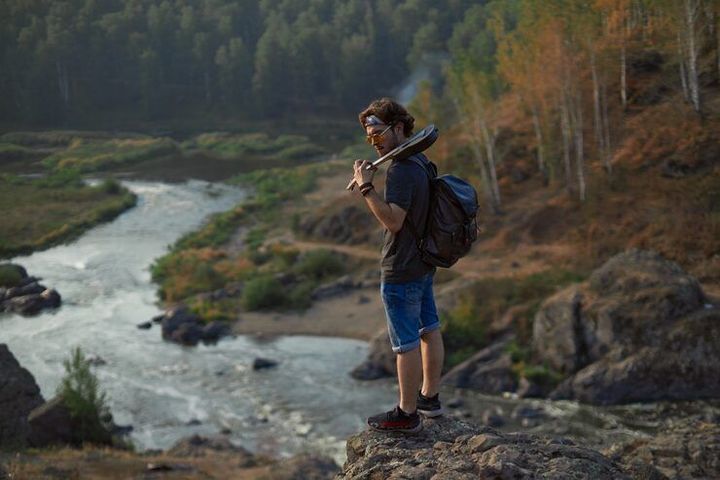
Safe Travel for Solo Explorers With Destination Planning and Personal Safety Advice
Safe travel for solo explorers involves planning journeys, choosing suitable destinations, and following practical personal safety measures when travelling alone.
Solo travel allows individuals to explore different places independently, experience new cultures, and manage their own schedules. However, travelling without companions also requires greater attention to accommodation, transportation, local conditions, health, and emergency planning.
Solo travel has become more visible as digital booking platforms, navigation applications, online communities, and travel information resources have made independent journeys easier to organise. People travel alone for leisure, cultural experiences, outdoor activities, personal interests, and professional commitments.
A successful solo journey depends on preparation rather than simply choosing a destination. Understanding local customs, researching transport options, keeping important documents secure, and maintaining communication with trusted contacts can help travellers manage common challenges.
What Is Solo Travel?
Solo travel means visiting destinations independently without travelling as part of a group or with regular companions. Travellers make their own decisions about accommodation, transportation, sightseeing, meals, and daily activities.
It can involve short weekend trips, domestic holidays, international journeys, backpacking, or longer stays in different locations. The level of preparation depends on the destination, travel duration, personal experience, and planned activities.
Why Destination Planning Matters
Destination planning helps solo explorers understand what to expect before reaching a location. Information about weather, local transportation, accommodation areas, cultural practices, and entry requirements can influence travel decisions.
Important planning considerations include:
Destination research: Understand local conditions, neighbourhoods, attractions, and common travel challenges.
Accommodation selection: Examine location, transport connections, check-in arrangements, and recent guest feedback.
Transportation planning: Identify reliable ways to travel between airports, stations, accommodation, and attractions.
Travel documentation: Check identification requirements, visas, insurance documents, and reservation details.
Daily itinerary: Organise activities while allowing enough flexibility for unexpected changes.
A realistic itinerary helps travellers avoid unnecessary rushing and reduces uncertainty when navigating unfamiliar places.
Importance of Safe Travel for Solo Explorers
Personal safety is an important part of independent travel because solo explorers usually manage unexpected situations without immediate assistance from companions. These situations may include missed transportation, lost belongings, unfamiliar routes, communication difficulties, or sudden changes in local conditions.
Safe travel planning is relevant to students, working professionals, older adults, backpackers, and people exploring destinations independently. It helps travellers make informed decisions while maintaining control over their journeys.
Common Challenges During Solo Travel
Travelling alone can create practical challenges that require attention and preparation.
Navigation difficulties: Unfamiliar streets, limited internet connectivity, and language differences can make finding locations difficult.
Personal security: Travellers may need to be more careful when selecting accommodation, using public transport, or exploring unfamiliar areas.
Health concerns: Sudden illness, minor injuries, or access to medical facilities can become more complicated when travelling independently.
Communication problems: Different languages, network limitations, and local communication customs may affect daily activities.
Travel disruptions: Delayed trains, cancelled flights, weather conditions, and changed reservations can affect planned schedules.
Practical Personal Safety Advice
A few consistent habits can help solo explorers manage common travel risks.
First, keep important documents and emergency information accessible but secure. Store digital copies of identification, travel documents, accommodation details, and insurance information separately from physical originals.
Second, share basic itinerary information with a trusted person. This can include accommodation details, expected arrival times, and significant changes to the travel schedule.
Other useful practices include:
Avoid displaying large amounts of cash or valuable belongings in public.
Use well-lit and familiar routes when travelling at night.
Check transportation details before entering a vehicle.
Keep personal drinks and belongings within sight.
Maintain enough battery power for communication and navigation.
Be cautious when sharing live travel locations publicly.
Understand how to contact local emergency authorities.
These precautions support awareness without requiring travellers to avoid normal sightseeing or cultural activities.
Destination Safety Planning
Different destinations have different travel conditions. A busy city, remote mountain region, coastal area, and rural village may require different preparations.
| Destination Type | Main Considerations | Planning Priorities |
|---|---|---|
| Large cities | Traffic, crowded areas, navigation | Transport and accommodation location |
| Mountain regions | Weather and difficult terrain | Suitable clothing and route planning |
| Coastal destinations | Water conditions and changing weather | Local advisories and activity safety |
| Rural locations | Limited transport and connectivity | Offline maps and emergency contacts |
| International destinations | Entry rules and cultural differences | Visa, insurance, and local regulations |
Recent Updates in Solo Travel and Personal Safety
Solo travel practices continue to change as digital technology, transportation systems, and travel information platforms develop. Trends across 2024–2026 show increasing attention to digital safety, flexible itineraries, verified travel information, and individual travel preferences.
Digital Travel Planning and Navigation
Mobile applications have made it easier to organise accommodation, transport, sightseeing, and daily schedules. Digital maps, translation tools, electronic tickets, and travel alerts help travellers access important information while moving between destinations.
Offline navigation has also become an important consideration. Downloaded maps and saved accommodation addresses can be useful when mobile networks are unavailable or international data access is limited.
Increased Attention to Digital Privacy
Digital safety is an important part of modern solo travel. Travellers increasingly need to consider how personal information, payment details, identification documents, and location data are stored and shared.
Useful precautions include:
Use strong passwords and device screen locks.
Enable account verification features where available.
Avoid accessing sensitive accounts through unfamiliar public networks.
Use trusted payment platforms.
Review application permissions for location and personal information.
Avoid posting real-time accommodation details publicly.
Flexible and Experience-Based Travel
Many independent travellers are showing interest in smaller destinations, cultural activities, nature-based trips, and longer stays. Flexible planning allows travellers to adjust their activities according to weather, transportation conditions, and personal comfort.
Travel planning increasingly combines advance research with adaptable daily schedules rather than relying entirely on fixed itineraries.
Emergency Information and Travel Alerts
Digital travel advisories and emergency notification systems help travellers monitor changing conditions. Weather alerts, transport updates, local authority announcements, and embassy information can provide important details during a journey.
However, digital information may not always be current or complete. Travellers should consider local official announcements when making decisions about changing conditions.
Laws and Policies Affecting Solo Travel in India
Solo travel in India is influenced by transportation regulations, identity requirements, tourism policies, public safety rules, and international travel regulations. Requirements vary according to the destination, activity, and traveller's nationality.
Identification and Travel Documentation
Domestic travellers may need identification documents when using certain transportation and accommodation facilities. Accepted documents depend on the provider's applicable rules and current requirements.
International travellers visiting India generally need to follow visa and passport requirements applicable to their nationality. Indian citizens travelling abroad must also comply with the entry, visa, and immigration requirements of their destination countries.
Transportation and Public Safety Regulations
Road travel, railways, aviation, and public transportation operate under different regulatory frameworks.
The Motor Vehicles Act and related rules govern important aspects of road transportation in India. Railway and aviation passengers must also follow applicable identification, baggage, security, and passenger regulations.
Travellers should check official transportation announcements for route changes, cancellations, safety instructions, and local restrictions.
Tourism and Local Regulations
Tourism activities may be subject to state-specific rules, protected-area permissions, wildlife regulations, and restrictions on particular locations.
For example, certain national parks, border areas, trekking routes, and protected destinations may require permits or registration. International travellers may also need additional permissions for restricted or protected areas.
Emergency and Consular Assistance
India uses 112 as its integrated emergency response number for police, fire, and medical emergencies. Travellers should also identify nearby hospitals and understand the emergency arrangements available at their destination.
Indian citizens travelling internationally can consult the Ministry of External Affairs and the relevant Indian embassy or consulate for travel advisories and consular information.
Tools and Resources for Safe Solo Travel
Digital tools and travel resources help independent explorers organise journeys, understand local conditions, and manage unexpected situations.
Navigation and Travel Planning Applications
Navigation platforms help users identify routes, estimate journey times, locate nearby facilities, and explore unfamiliar areas. Offline map features are particularly useful when internet access is limited.
Translation applications can also help travellers communicate basic information in unfamiliar languages. Saved phrases for transportation, accommodation, medical assistance, and directions can be useful during daily activities.
Weather and Travel Information Platforms
Weather applications help travellers understand temperature changes, rainfall, storms, and other environmental conditions. Official travel advisories provide information about security situations, entry requirements, and local restrictions.
Before travelling, it is useful to review:
Local government travel announcements.
Weather department updates.
Airport and railway information.
Embassy and consulate notices.
National park and protected-area regulations.
Travel Budget and Itinerary Tools
Travel budget calculators help estimate expected spending across accommodation, food, transport, activities, and emergency reserves. Currency conversion tools are useful for international journeys.
Itinerary templates can organise daily activities, accommodation information, transport schedules, and emergency contacts in one place.
Personal Safety and Emergency Resources
A basic travel safety record should include important contact information and essential documents.
Useful items include:
Emergency contact numbers.
Accommodation addresses and telephone numbers.
Travel insurance details.
Copies of identification documents.
Nearby hospital information.
Embassy or consulate contact details.
Important medication and allergy information, where relevant.
Keeping this information available offline can help when a mobile connection is unavailable.
Frequently Asked Questions About Safe Solo Travel
How Can I Travel Alone Safely?
Research the destination, choose accommodation carefully, plan transportation, and share your itinerary with a trusted person. Keep emergency contacts accessible, protect personal belongings, and remain aware of your surroundings.
What Should I Consider When Planning a Solo Travel Destination?
Consider local safety conditions, weather, transportation, accommodation locations, communication access, cultural practices, and entry requirements. The destination should also match your experience and planned activities.
What Are the Essential Safety Tips for Solo Explorers?
Keep identification documents secure, use familiar transportation arrangements, avoid isolated areas when conditions are uncertain, maintain phone battery power, and share important itinerary updates with a trusted contact.
Which Apps Are Useful for Safe Solo Travel?
Navigation, translation, weather, currency conversion, transportation, and emergency information applications can support independent travel. Offline features are particularly useful in areas with limited network coverage.
Is Travel Insurance Important for Solo Travellers?
Travel insurance can provide financial protection for covered situations such as certain medical emergencies, trip interruptions, or lost baggage. Coverage, exclusions, and claim requirements vary between policies, so travellers should review the applicable terms.
Conclusion
Safe travel for solo explorers depends on thoughtful destination planning, awareness of local conditions, and practical personal safety habits. Digital navigation, travel information platforms, and emergency resources have made independent journeys easier to organise, while privacy and personal security remain important considerations. Understanding transportation rules, entry requirements, and local regulations also helps travellers prepare for different destinations. A balanced approach to planning allows solo explorers to manage common travel challenges while experiencing destinations independently.