Maldives Beach Resorts Information With Island Activities and Holiday Planning Resources
The Maldives is an island nation in the Indian Ocean, known for its tropical climate, coral reefs, white sandy beaches, and clear coastal waters. It consists of numerous islands grouped into natural atolls, with tourism playing an important role in its economy.
Maldives beach resorts have developed around the country's natural island geography, providing accommodation and access to marine environments, recreational activities, and cultural experiences.
A Maldives beach resort generally operates on an individual island or within a designated tourism area. These properties may include beachfront villas, overwater accommodation, restaurants, swimming facilities, wellness areas, and organized island activities. Their layouts and facilities vary depending on island size, location, environmental conditions, and accommodation category.
Understanding Maldives Beach Resorts
Beach resorts in the Maldives are different from conventional urban hotels because many operate on separate islands. Visitors usually travel from the international airport to their selected island through speedboats, domestic flights, or seaplanes.
Accommodation arrangements commonly include:
Beach villas: Individual accommodation units located near the shoreline, providing direct access to the beach.
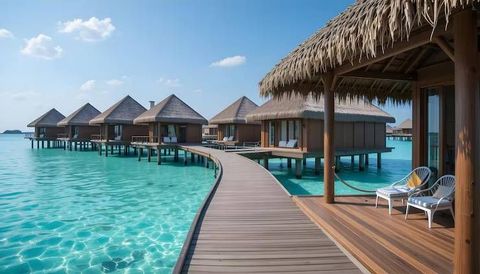
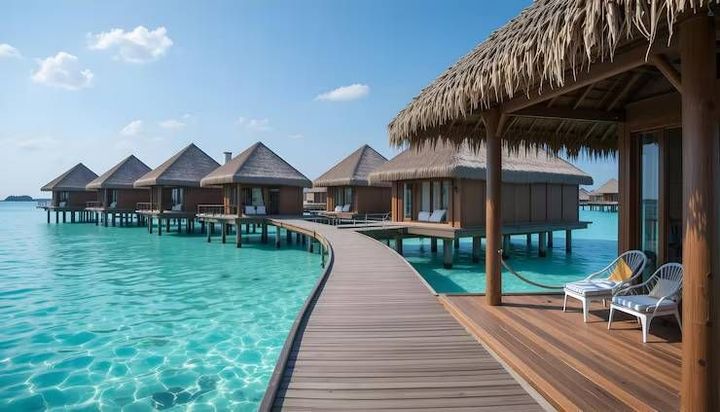
Overwater villas: Structures built above shallow lagoon areas, often featuring private decks and water access.
Garden villas: Accommodation surrounded by tropical vegetation, generally positioned away from the immediate shoreline.
Family villas: Larger accommodation layouts designed for families or groups travelling together.
Private island accommodation: Properties occupying an entire island or a designated section of an island.
Geography and Island Environment
The Maldives has a tropical marine climate, with warm temperatures throughout the year. Its geographical structure includes coral islands, lagoons, reefs, and shallow coastal areas that influence resort development and recreational opportunities.
Different atolls provide different surroundings. Some islands have broad sandy beaches, while others feature extensive lagoons, coral formations, and marine habitats. These environmental differences influence accommodation designs, transportation arrangements, and available island activities.
Importance
Maldives beach resorts contribute to international tourism, employment, transportation, hospitality, and supporting industries. They also provide accommodation for travellers interested in coastal environments, marine recreation, relaxation, and island exploration.
The tourism sector affects several groups, including international visitors, local communities, hospitality businesses, transport operators, and environmental organizations. Understanding resort arrangements helps travellers evaluate accommodation options and prepare for the practical requirements of island holidays.
Travel Planning and Accommodation Considerations
Island holidays require more planning than many conventional hotel stays. The distance between islands, limited transportation schedules, and different accommodation arrangements can influence travel schedules.
Important considerations include:
Island location: The distance from the international airport affects transfer arrangements and journey duration.
Accommodation type: Beach villas, overwater villas, and family accommodation provide different layouts and surroundings.
Meal arrangements: Half-board, full-board, and all-inclusive plans have different inclusions.
Transportation: Visitors should understand whether transfers involve boats, domestic aircraft, or seaplanes.
Seasonal conditions: Weather patterns can influence outdoor activities and marine transportation.
Environmental and Community Importance
Coral reefs support marine biodiversity and help reduce the impact of waves on island coastlines. However, coastal development, pollution, rising sea levels, and changes in ocean temperatures create environmental challenges.
Resort development therefore requires attention to wastewater management, waste disposal, coastal protection, and responsible use of marine resources. Local employment, cultural awareness, and community participation are also important aspects of sustainable tourism.
Recent Updates
Maldives tourism continues to develop through changes in accommodation design, transportation arrangements, environmental management, and visitor preferences. Recent industry trends from 2024 to 2026 indicate increasing attention to sustainability, digital planning, wellness activities, and personalized holiday experiences.
Sustainable Resort Development
Environmental responsibility has become an important consideration in island tourism. Resorts increasingly incorporate energy-efficient equipment, water conservation systems, waste separation, and environmentally conscious building practices.
Some properties also participate in coral restoration, marine monitoring, and reef education activities. However, the effectiveness of these initiatives varies between individual properties.
Changes in Accommodation Preferences
Travellers increasingly consider different accommodation formats according to their travel requirements. Family villas, private pool accommodation, beachfront rooms, and overwater properties remain important categories within the Maldives hospitality market.
Wellness facilities, recreational spaces, flexible meal arrangements, and quieter island surroundings are also relevant factors in accommodation selection.
Digital Holiday Planning
Online reservation platforms, digital payment systems, electronic travel documents, and mobile applications have changed how international visitors organize their holidays.
Travellers can compare accommodation facilities, review transfer arrangements, examine island locations, and check available activities before departure. Digital communication also helps visitors coordinate transportation and accommodation requirements.
Popular Island Activities
Island activities remain a central part of the Maldives holiday experience. Common recreational options include:
Snorkelling: Exploring shallow coral reef environments using a mask, snorkel, and fins.
Scuba diving: Visiting underwater locations with trained diving professionals and appropriate equipment.
Dolphin watching: Observing dolphins from designated boats while maintaining suitable distances.
Kayaking: Exploring calm lagoon areas using small paddle-powered vessels.
Fishing excursions: Learning about traditional and recreational fishing practices under applicable local rules.
Island visits: Exploring inhabited islands, local communities, and traditional architecture.
Sunset cruises: Travelling by boat to observe coastal scenery during evening hours.
Laws or Policies
Maldives beach resorts operate under national tourism, environmental, immigration, and business regulations. These rules influence property development, accommodation operations, visitor entry requirements, and the protection of island ecosystems.
Understanding the regulatory framework is important because tourism properties operate within a geographically sensitive marine environment.
Tourism Regulations
The Maldives Tourism Act establishes the general legal framework for tourism activities and accommodation development. Tourism-related establishments must follow applicable licensing, registration, operational, and regulatory requirements.
Resort development and operation are subject to relevant government approvals. Property arrangements, land-use permissions, and operating conditions may differ according to the type and location of the establishment.
Environmental Protection Policies
The Environmental Protection and Preservation Act provides a framework for protecting natural resources and managing environmental impacts. Relevant environmental assessment requirements may apply to tourism construction and development projects.
Important environmental considerations include:
Protection of coral reefs and marine habitats.
Management of wastewater and solid waste.
Control of coastal development activities.
Conservation of sensitive marine areas.
Appropriate management of construction impacts.
Environmental Impact Assessments may be required for developments that could significantly affect surrounding ecosystems.
Tourism Taxes and Visitor Requirements
Tourism establishments are subject to applicable taxation arrangements, including Tourism Goods and Services Tax and Green Tax. The applicable rates and requirements depend on current legislation and the category of establishment.
International visitors should also understand immigration requirements, passport validity conditions, entry permissions, and any applicable arrival procedures. Travel documentation requirements can change, so current official immigration information remains relevant when preparing an international journey.
Tools and Resources
Several digital platforms and planning resources help visitors understand Maldives beach resorts, transportation arrangements, accommodation facilities, and island activities. These resources can make holiday preparation more organized.
Accommodation Comparison Platforms
Online travel platforms provide information about resort locations, room categories, facilities, guest reviews, and reservation conditions. Comparing these details helps travellers understand differences between individual properties.
Important comparison factors include:
Distance from Velana International Airport.
Availability of beachfront and overwater accommodation.
Meal plan arrangements.
Airport transfer methods.
Family facilities and recreational areas.
Environmental practices and accessibility.
Flight and Transportation Resources
Airline websites and flight comparison platforms help visitors review international flight schedules and connecting routes. Resort transportation information is equally important because island transfers may require separate arrangements.
Visitors should examine the expected transfer duration, operating schedules, baggage restrictions, and arrangements for delayed international flights.
Weather and Marine Information
Weather forecasting platforms provide information about rainfall, wind conditions, temperature, and expected marine conditions. These details are useful when planning outdoor activities, boat journeys, and diving excursions.
Marine activity operators may also provide information about sea conditions, equipment requirements, and participant safety instructions.
Holiday Planning Checklist
A structured checklist can help organize essential travel arrangements.
| Planning category | Information to review |
|---|---|
| Flights | International routes and arrival schedules |
| Accommodation | Villa category and included facilities |
| Transfers | Speedboat, domestic flight, or seaplane |
| Meals | Breakfast, half-board, or full-board |
| Activities | Snorkelling, diving, kayaking, and excursions |
| Documentation | Passport and immigration requirements |
| Weather | Seasonal rainfall and marine conditions |
| Insurance | Travel coverage and activity-related conditions |
FAQs
What Are Maldives Beach Resorts Known For?
Maldives beach resorts are known for tropical island accommodation, white sandy beaches, coral reefs, lagoon environments, and marine recreational activities. Many properties provide beachfront villas, overwater accommodation, restaurants, and organized excursions.
What Activities Are Available at Maldives Island Resorts?
Common activities include snorkelling, scuba diving, kayaking, fishing excursions, dolphin watching, sunset cruises, and visits to inhabited islands. Activity availability depends on the individual resort, weather, and local environmental conditions.
What Is the Difference Between Beach Villas and Overwater Villas?
Beach villas are located on land, generally near the shoreline, while overwater villas are constructed above lagoon areas. Their layouts, privacy arrangements, accessibility, and surrounding environments differ.
When Is a Suitable Season for Maldives Beach Holidays?
The Maldives has a tropical climate with relatively warm temperatures throughout the year. The drier northeast monsoon period generally experiences less rainfall, while the southwest monsoon period can bring increased rainfall and changing sea conditions.
How Do Visitors Travel Between Maldives Resorts?
Visitors commonly use speedboats, domestic flights, or seaplanes to reach resort islands. The transportation method depends on the island's location, distance from the international airport, and available transfer arrangements.
Conclusion
Maldives beach resorts form an important part of the country's tourism industry and provide access to tropical island environments, marine activities, and different accommodation arrangements. Understanding island geography, transportation, seasonal conditions, and tourism regulations helps explain how these holiday destinations operate. Environmental protection and responsible tourism practices also remain important considerations for the long-term management of the Maldives' coastal ecosystems.