Explore Luxury Cruise Destinations With Scenic Routes and Premium Accommodation
Luxury cruise destinations combine ocean travel, coastal sightseeing, premium accommodation, dining facilities, entertainment, and organized shore excursions.
Unlike conventional holidays that involve changing hotels and transportation between destinations, cruise journeys allow passengers to visit several locations while staying aboard the same vessel. These journeys operate across oceans, seas, rivers, and major coastal regions.
The development of luxury cruising is closely connected to the history of passenger ships and international maritime tourism. Early passenger vessels primarily supported transportation between continents, but improvements in ship design, navigation, hospitality, and onboard facilities gradually transformed cruising into a distinct form of leisure travel.
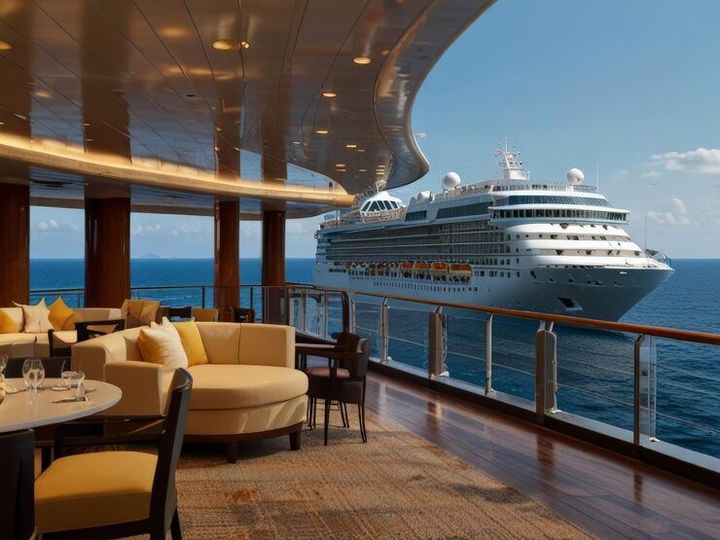
Modern luxury cruise ships feature spacious suites, private balconies, restaurants, wellness areas, observation lounges, swimming pools, and entertainment spaces. Some vessels also include smaller passenger capacities, personalized itineraries, and access to destinations that larger ships cannot easily reach.
Luxury cruise destinations vary according to geography, climate, cultural attractions, and seasonal sailing conditions. Popular regions include the Mediterranean, Caribbean, Norwegian fjords, Alaska, the South Pacific, and Southeast Asia.
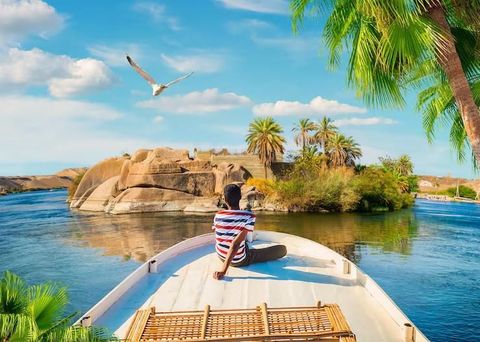
Scenic cruise routes are another important part of the experience. Passengers can observe mountain landscapes, tropical islands, historic coastal towns, glaciers, and natural harbors while travelling between ports.
Importance
Luxury cruise travel matters because it combines accommodation, transportation, recreation, and destination exploration within one organized journey. It attracts international travelers, couples, families, older passengers, and individuals interested in comfortable long-distance travel.
For many travelers, planning a multi-destination holiday involves several practical challenges. Arranging accommodation, transportation, luggage transfers, restaurant reservations, and sightseeing activities can require considerable coordination. Cruise itineraries simplify several of these arrangements by connecting multiple destinations through a single sailing schedule.
Access to Multiple Travel Destinations
Cruise journeys provide opportunities to explore different geographical regions during one holiday. Mediterranean itineraries, for example, may include coastal destinations in Italy, Greece, Spain, France, and Croatia.
Caribbean cruise routes frequently connect tropical islands, while Alaska itineraries introduce passengers to mountainous coastlines, glaciers, and wildlife habitats.
Premium Accommodation and Comfort
Luxury cruise accommodation includes different categories of cabins and suites designed around passenger preferences.
Common accommodation features include:
Ocean-view cabins with large windows.
Balcony suites with private outdoor seating.
Premium suites with separate living and sleeping areas.
Dedicated dining spaces and lounges.
Wellness facilities and recreational areas.
Observation decks for scenic sightseeing.
These facilities are particularly relevant for longer journeys when passengers spend several days travelling between ports.
Cultural and Natural Exploration
Cruise destinations provide access to different cultural environments, historical attractions, local architecture, and natural landscapes. Shore excursions may include guided walking tours, heritage visits, nature activities, and regional food experiences.
However, passenger activities depend on local conditions, port schedules, weather, and destination regulations.
Recent Updates
Luxury cruise tourism has continued evolving through changes in ship technology, passenger preferences, environmental planning, and itinerary development. Developments across the 2024–2026 period reflect growing interest in more specialized and geographically diverse travel experiences.
Expansion of Smaller Luxury Vessels
Cruise operators have continued developing smaller vessels designed for destinations with narrow waterways, limited port infrastructure, and environmentally sensitive coastlines.
These vessels can provide access to smaller harbors, remote islands, and selected expedition destinations. Smaller passenger capacities also influence onboard accommodation layouts, dining arrangements, and excursion planning.
Growing Interest in Expedition Cruises
Expedition cruising has attracted attention from travelers interested in natural environments and remote geographical regions.
Popular expedition destinations include Antarctica, the Arctic, the Galápagos Islands, and selected areas of the South Pacific.
These itineraries may include guided wildlife observation, educational presentations, and supervised shore visits. Access to particular locations depends on environmental restrictions and operating conditions.
Environmental Technology and Ship Design
Cruise ship development increasingly incorporates energy efficiency, improved waste management, and alternative fuel technologies.
Examples include:
Liquefied natural gas propulsion systems.
Shore-side electricity connections where available.
Advanced wastewater treatment.
Energy-efficient lighting and ventilation.
Improved onboard waste separation.
Digital systems for monitoring fuel consumption.
These developments form part of broader efforts to reduce the environmental effects of maritime tourism. However, environmental performance varies by vessel, fuel type, operating conditions, and itinerary.
Personalized Travel Experiences
Another developing trend involves more specialized cruise itineraries and accommodation arrangements. Travelers increasingly consider private balconies, smaller passenger environments, destination-focused excursions, wellness activities, and extended port stays when comparing cruise journeys.
The following table provides an overview of major luxury cruise regions and their general characteristics.
| Cruise destination | Scenic highlights | Common travel features |
|---|---|---|
| Mediterranean | Historic coastlines, islands, coastal cities | Cultural sightseeing and heritage tours |
| Caribbean | Tropical islands, beaches, coral environments | Island exploration and water activities |
| Alaska | Glaciers, forests, mountain landscapes | Wildlife observation and nature excursions |
| Norwegian fjords | Deep waterways, waterfalls, mountains | Scenic sailing and photography |
| South Pacific | Remote islands, lagoons, tropical scenery | Island visits and marine activities |
| Southeast Asia | Coastal cities, islands, cultural landscapes | Heritage exploration and regional cuisine |
Laws or Policies
Luxury cruise operations are influenced by international maritime conventions, national maritime laws, environmental requirements, passenger protection regulations, and immigration procedures.
Because cruise ships frequently travel between different countries, their operations are not governed by a single national framework. Requirements depend on vessel registration, sailing routes, passenger nationalities, and the countries visited.
International Maritime Safety Regulations
The International Maritime Organization (IMO) develops international standards covering maritime safety, navigation, pollution prevention, and vessel operations.
The International Convention for the Safety of Life at Sea (SOLAS) establishes important requirements for passenger vessel construction, safety equipment, emergency procedures, and evacuation arrangements.
These provisions help establish safety standards for international cruise operations.
Environmental Protection Requirements
The International Convention for the Prevention of Pollution from Ships (MARPOL) addresses pollution from maritime activities.
Its provisions cover areas such as oil pollution, sewage, garbage disposal, and air emissions. Cruise operators must follow applicable requirements when navigating international waters and entering regulated ports.
Certain destinations also impose additional environmental restrictions. These may include limitations on vessel emissions, wastewater discharge, anchoring, and access to protected marine areas.
Passenger Rights and Travel Documentation
Passenger protection requirements vary between jurisdictions. For example, European Union passenger rights legislation establishes specific protections for eligible cruise journeys involving EU ports and operators.
Travelers may also need to follow:
Passport validity requirements.
Visa and transit authorization rules.
Port entry and immigration procedures.
Health documentation requirements where applicable.
Travel insurance conditions.
Local customs and declaration regulations.
Passengers should understand that visiting several countries during one cruise may involve different entry requirements at each destination.
Tools and Resources
Digital planning tools help travelers compare cruise destinations, evaluate accommodation arrangements, understand itineraries, and prepare for international journeys.
Cruise Itinerary Comparison Platforms
Cruise comparison platforms provide information about sailing regions, vessel categories, departure ports, cabin arrangements, and journey durations.
Travelers can compare Mediterranean cruise holidays, Caribbean cruise packages, luxury expedition cruises, and international sailing itineraries using similar criteria.
Navigation and Destination Mapping Tools
Digital maps help passengers understand cruise routes, geographical distances, port locations, and nearby attractions.
These tools can also help identify coastal landmarks, islands, transportation connections, and sightseeing locations around scheduled ports.
Weather and Seasonal Planning Resources
Weather information is important when selecting luxury cruise destinations. Temperature, rainfall, wind conditions, sea conditions, and seasonal weather patterns can influence sailing schedules and shore excursions.
Travelers can examine regional climate information before choosing a departure period.
Accommodation and Travel Planning Resources
Cruise accommodation comparison tools help explain differences between interior cabins, ocean-view rooms, balcony cabins, and premium suites.
Travel planning platforms can also assist with organizing flights, pre-cruise accommodation, port transportation, and travel documentation.
Important comparison factors include:
Cabin size and layout.
Balcony availability.
Dining arrangements.
Passenger capacity.
Itinerary duration.
Port arrival and departure schedules.
Included onboard facilities.
Accessibility arrangements.
Environmental and Maritime Information
The International Maritime Organization publishes information about maritime safety, pollution prevention, and international shipping standards.
National maritime authorities and port authorities also publish destination-specific information about entry procedures, environmental restrictions, and vessel operations.
FAQs
What Are the Most Popular Luxury Cruise Destinations?
Popular luxury cruise destinations include the Mediterranean, Caribbean, Alaska, Norwegian fjords, South Pacific, and Southeast Asia. Each region provides different landscapes, cultural attractions, sailing conditions, and sightseeing opportunities.
What Accommodation Is Available on Luxury Cruise Ships?
Luxury cruise ships generally include interior cabins, ocean-view rooms, balcony accommodation, and spacious suites. Some vessels also feature separate living areas, private outdoor spaces, and exclusive passenger lounges.
When Is the Appropriate Season for Luxury Cruise Travel?
The appropriate season depends on the destination. Mediterranean itineraries generally attract considerable interest during warmer months, while Alaska cruises typically operate during the warmer part of the year. Tropical cruise regions have different seasonal weather patterns.
What Is the Difference Between Luxury and Expedition Cruises?
Luxury cruises generally emphasize accommodation, dining, onboard facilities, and destination exploration. Expedition cruises focus more on remote environments, wildlife observation, educational activities, and access to geographically unusual locations. Some expedition vessels also incorporate premium accommodation.
What Documents Are Required for International Cruise Travel?
Common requirements include a valid passport, applicable visas, booking documentation, and any additional entry documents required by the countries visited. Requirements depend on passenger nationality, itinerary, and immigration regulations.
Conclusion
Luxury cruise destinations combine scenic maritime routes, premium accommodation, cultural exploration, and access to multiple geographical regions. Developments in vessel technology, expedition travel, and environmental management continue to influence the international cruise industry. Destination selection depends on seasonal conditions, itinerary arrangements, accommodation preferences, and applicable travel regulations. Understanding these factors provides a clearer picture of modern luxury cruise travel.