Roofer Insurance Explore Coverage Options for Roofing Professionals and Business Protection
Roofer insurance refers to insurance arrangements designed around the risks associated with roofing activities, construction projects, property damage, workplace accidents, equipment, vehicles, and business operations.
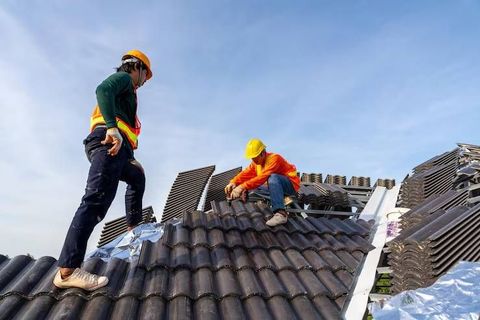
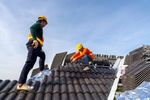
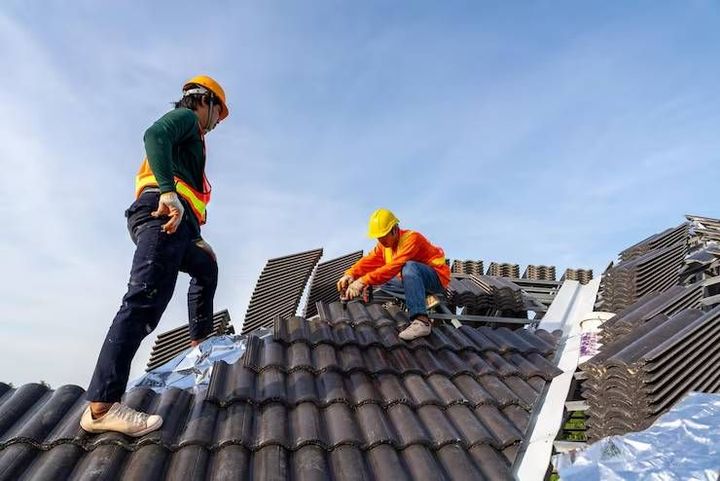
Roofing involves working at height, handling tools and materials, moving across different surfaces, and operating around buildings and other people. These conditions create risks that differ from many indoor occupations.
A roofing business may face several types of incidents during normal operations. A worker could fall, equipment could damage a property, materials could cause accidental damage, or a vehicle transporting roofing materials could be involved in an accident. Insurance policies are structured to address selected financial risks arising from situations such as these.
Roofer insurance is not usually one single policy. Instead, a roofing business may have several forms of coverage, depending on its activities, workforce, equipment, vehicles, contracts, and local legal requirements. Common categories include general liability, workers' compensation where applicable, commercial vehicle coverage, tools and equipment coverage, and commercial property coverage.
The exact protection provided depends on the policy wording, limits, exclusions, deductibles, conditions, and applicable jurisdiction. Insurance therefore needs to be understood as a contractual arrangement with defined terms rather than as automatic protection against every business loss.
Common Types of Roofer Insurance
A roofing business may encounter several insurance categories:
General liability coverage for certain third-party bodily injury or property damage claims
Workers' compensation coverage where required for eligible workers
Commercial vehicle coverage for vehicles used for business activities
Tools and equipment coverage for specified business property
Commercial property coverage for eligible buildings and contents
Contractor equipment coverage for selected machinery and mobile equipment
Umbrella or excess liability coverage for additional liability limits
Business interruption coverage for certain qualifying interruptions
Not every roofing business needs every category. The appropriate combination depends on the company's activities, location, workforce structure, assets, and contractual requirements.
How Coverage Works
Insurance policies generally establish a relationship between a covered risk, a qualifying event, the policy limit, the deductible or excess, and the applicable exclusions. A claim is assessed according to the policy terms and supporting information.
For example, general liability coverage may address certain third-party claims involving bodily injury or property damage. It does not necessarily cover damage to the roofing business's own property or every dispute arising from a project.
Policy documents can contain important conditions relating to notification, documentation, cooperation, safety procedures, subcontractors, and other requirements. Understanding these conditions is an important part of managing business risk.
Importance
Roofer insurance matters because roofing activities can involve physical hazards and significant property exposure. A roofing business may work on residential buildings, commercial structures, industrial facilities, or other properties where an incident can affect people and physical assets.
Insurance can form one part of a broader risk-management approach. Other elements include worker training, fall protection, equipment inspections, safe material handling, documented procedures, contract review, and appropriate supervision.
Risks Affecting Roofing Professionals
Roofing activities can involve several categories of risk:
Falls from roofs, ladders, scaffolding, or elevated platforms
Injuries involving tools and equipment
Property damage caused during construction activities
Damage involving transported materials
Vehicle accidents during business travel
Theft or damage involving tools and equipment
Weather-related interruptions
Disputes concerning completed work or project conditions
Not every incident is covered under every policy. Coverage depends on the circumstances and the specific policy provisions.
Business Protection Considerations
A roofing business may have physical assets such as ladders, power tools, generators, vehicles, safety equipment, computers, and stored materials. Some of these assets may require separate coverage depending on how and where they are used.
Contractual requirements can also influence insurance arrangements. A property owner, general contractor, construction manager, or project agreement may require particular liability limits or evidence of specific coverage before work begins.
Insurance documentation can therefore become part of ordinary project administration. Businesses may need certificates or other documentation showing relevant coverage and policy limits.
Liability and Third-Party Risks
General liability insurance is commonly associated with third-party claims. For example, if an activity causes qualifying physical damage to another person's property, a liability policy may respond according to its terms.
Liability coverage can also address certain bodily injury claims involving third parties. However, exclusions and policy conditions can significantly affect whether a particular incident is covered.
The distinction between third-party liability and damage to a business's own property is important. Different insurance categories may apply to different types of loss.
Recent Updates
From 2024 through 2026, commercial insurance for construction-related businesses has continued to reflect changing construction risks, digital administration, severe-weather exposure, workforce requirements, and increased attention to documentation.
Digital Insurance Administration
Insurance administration has become increasingly digital. Businesses can use online platforms to maintain policy documents, certificates, claim information, renewal records, and other administrative materials.
Digital documentation can make it easier to organize multiple policies and identify expiration dates. However, electronic records do not replace the need to review actual policy wording and endorsements.
Weather and Roofing Risk
Roofing businesses are particularly exposed to weather conditions because their activities occur on building exteriors and elevated surfaces. Wind, rain, hail, heat, and other environmental conditions can affect work schedules, materials, property, and worker safety.
Weather-related risk can influence underwriting and policy conditions. The effect varies according to geographic area, construction activity, building characteristics, and the insurer's underwriting approach.
Contractor Risk Management
Risk-management practices have become increasingly important within construction insurance discussions. Insurers and businesses may examine safety procedures, training records, incident histories, subcontractor arrangements, equipment controls, and documented workplace practices.
Digital inspection records can help businesses organize evidence of equipment checks and safety procedures. These records do not change the terms of an insurance policy, but they can form part of broader business administration.
Subcontractor Documentation
Roofing projects can involve subcontractors or specialist contractors. Businesses may need to examine subcontractor insurance documentation and contractual responsibilities before allowing another company to participate in a project.
Written agreements can define responsibilities for workers, equipment, property damage, and insurance requirements. The exact legal effect depends on the contract and applicable law.
Laws or Policies
Roofer insurance is shaped by insurance regulations, workplace safety rules, construction requirements, vehicle regulations, employment laws, and contract requirements. The exact framework differs by jurisdiction.
Workplace Protection Rules
Roofing is generally subject to workplace safety requirements concerning fall protection, ladders, scaffolding, personal protective equipment, equipment use, and safe working procedures.
Insurance does not replace these obligations. A business may still be legally responsible for maintaining a safe workplace even when an insurance policy exists.
Workers' Compensation Requirements
Some jurisdictions require employers to maintain workers' compensation coverage for eligible employees. Such systems can provide defined benefits for qualifying workplace injuries or illnesses.
Requirements vary based on factors such as business structure, number of workers, worker classification, and local law. Independent contractors may be treated differently from employees under applicable regulations.
Vehicle and Equipment Rules
Vehicles used for roofing activities may be subject to commercial vehicle insurance and registration requirements. The appropriate classification can depend on vehicle type, use, ownership, and jurisdiction.
Equipment used on construction sites can also be subject to safety requirements. Inspections, maintenance records, operator procedures, and protective equipment may form part of the applicable safety framework.
Contractual Insurance Requirements
Construction contracts may establish specific insurance requirements beyond general legal obligations. These can include liability limits, additional insured provisions, certificates of insurance, project-specific coverage, or requirements concerning subcontractors.
Contract requirements should be reviewed separately from statutory requirements because a business can have contractual obligations that are different from minimum legal requirements.
Tools and Resources
Several tools can help roofing businesses organize insurance and risk information. Coverage comparison worksheets can list policy types, limits, deductibles, exclusions, renewal dates, and covered assets.
Risk assessment templates can help document common hazards associated with roofing activities. Equipment inventories can record tools, machinery, vehicles, and other business property that may need to be considered in an insurance review.
Useful resources include:
Insurance policy schedules
Coverage comparison worksheets
Risk assessment templates
Equipment inventory records
Vehicle records
Safety inspection checklists
Incident reporting forms
Certificate tracking systems
Contract review checklists
Renewal calendars
Claim documentation folders
Subcontractor insurance records
A simplified comparison of common insurance categories is shown below:
| Insurance Category | General Purpose | Example Risk Area |
|---|---|---|
| General Liability | Certain third-party claims | Property damage or bodily injury |
| Workers' Compensation | Qualifying workplace injuries | Employee injury |
| Commercial Vehicle | Business vehicle risks | Road accidents |
| Tools and Equipment | Covered business equipment | Theft or physical damage |
| Commercial Property | Covered business premises | Building or contents damage |
| Contractor Equipment | Selected mobile equipment | Equipment damage |
| Umbrella Liability | Additional liability limits | Large qualifying claims |
| Business Interruption | Certain qualifying interruptions | Temporary operational disruption |
Understanding Policy Limits
A policy limit represents the maximum amount the insurer may pay for a covered claim or group of claims under specified circumstances. Different policies can have different limits for individual claims and overall policy periods.
Deductibles or excess amounts can also apply. This is the portion of an eligible loss that the insured may need to bear before the insurer's payment applies, subject to the policy structure.
Reviewing Exclusions
Exclusions identify circumstances, activities, property, or losses that are not covered under particular policies. Roofing businesses should pay particular attention to exclusions related to subcontractors, completed operations, vehicles, employee injuries, pollution, defective materials, and contractual liabilities where relevant.
Policy endorsements can modify standard wording. A complete insurance review therefore requires consideration of the policy, endorsements, schedules, limits, conditions, and exclusions together.
FAQs
What is roofer insurance?
Roofer insurance refers to insurance coverage designed around risks associated with roofing and related construction activities. Depending on the business, it can include general liability, workers' compensation, commercial vehicle, equipment, property, and other coverage categories.
What does roofer insurance typically cover?
Coverage varies by policy. General liability may address certain third-party bodily injury or property damage claims, while other policies may address eligible workers' compensation claims, business vehicles, equipment, or property losses.
Is workers' compensation part of roofer insurance?
Workers' compensation may be required for eligible employees depending on the jurisdiction and business structure. It generally operates separately from general liability coverage and follows its own statutory and policy requirements.
Why is general liability important for roofing professionals?
General liability can address certain third-party claims involving bodily injury or property damage arising from covered business activities. The actual protection depends on policy terms, limits, exclusions, and the circumstances of the claim.
What should a roofing business consider when reviewing insurance?
Important considerations include business activities, workers, subcontractors, vehicles, equipment, property, project contracts, policy limits, deductibles, exclusions, completed operations, and applicable legal requirements.
Conclusion
Roofer insurance can include several forms of coverage designed around the different risks associated with roofing and construction activities. General liability, workers' compensation, commercial vehicle, equipment, property, and additional liability coverage address different categories of potential exposure. Recent insurance administration has increasingly incorporated digital records, risk documentation, weather considerations, and subcontractor tracking. Legal requirements and policy terms vary by jurisdiction, so coverage depends on the specific policy, business activities, contracts, and applicable regulations.