Resistance Welding Machines Guide: Welding Methods, Equipment Types, Features and Applications
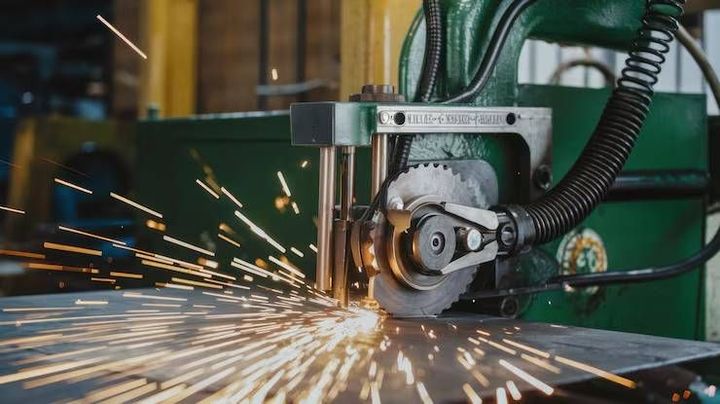
Resistance welding is a metal joining process that uses electrical resistance and pressure to create a joint between contacting metal surfaces. A resistance welding machine generally places electrodes against the workpieces, applies pressure, and passes electrical current through the joint area. The electrical resistance at the contact produces heat, while the applied force holds the materials together.
The method developed alongside industrial metalworking as manufacturers needed repeatable ways to join sheet metal and small components. Unlike processes that use a separate filler material, many resistance welding methods form the joint mainly from the workpieces themselves. This makes the process relevant to products that contain many repeated metal joints.
How the process works
A typical cycle has several stages: positioning, squeezing, current flow, holding, and release. During the current stage, heat forms around the contact area. The pressure and timing must remain within a suitable range for the material, thickness, electrode condition, and machine configuration.
Resistance welding includes several methods. Spot welding creates individual weld points, seam welding produces a continuous or overlapping series of welds, projection welding concentrates current at prepared projections, and butt or upset welding joins components at their ends. Each method uses different electrode arrangements and process settings.
Importance
Why resistance welding machines matter
Resistance welding machines are used where metal sheets, wires, rods, or formed components need controlled joining. Common applications include vehicle bodies, appliances, electrical components, metal containers, wire products, furniture components, and various fabricated assemblies.
The process matters because a production line may contain many similar joints. A controlled welding cycle can repeat the same basic sequence, while machine controls can record settings such as current, weld time, pressure, and cooling conditions. The actual joint quality still depends on material condition, setup, electrode geometry, and process control.
Main equipment features
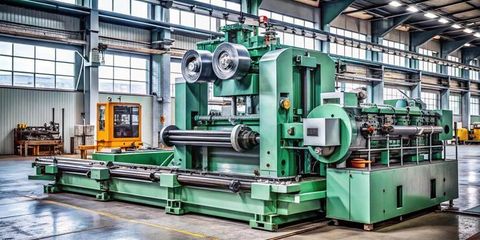
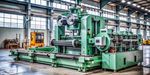
A resistance welding machine can contain a transformer or inverter power system, electrodes, an electrode arm or gun, a pressure mechanism, a controller, cooling equipment, and safety controls. Portable guns may be used where components are difficult to position under a stationary machine, while automated equipment can integrate with robotic or material-handling systems.
Important features to understand include current control, weld-time control, electrode force, cooling arrangements, programmable welding sequences, monitoring functions, and emergency controls. These features affect how the equipment is operated and how the welding cycle is monitored.
Common methods and equipment
| Welding method | Basic action | Typical applications |
|---|---|---|
| Spot welding | Creates separate weld points between sheets | Vehicle panels, appliances, cabinets |
| Seam welding | Forms overlapping welds along a path | Containers, tanks, sheet assemblies |
| Projection welding | Uses raised contact areas to concentrate current | Nuts, studs, brackets, multiple joints |
| Butt welding | Joins components at their ends | Wires, rods, tubes and similar parts |
Recent Updates
Equipment and process monitoring
From 2024 through 2026, developments in resistance welding have continued to focus on process monitoring, digital controls, automation, and more precise measurement. International guidance has also been updated in areas related to spot welding procedures and electrode components. ISO 14373:2024 specifies resistance spot welding procedures for certain coated and uncoated low-carbon steel assemblies, including applications using portable, pedestal, and automated equipment. ISO 5821:2025 also provides an updated specification for female electrode caps.
Modern resistance welding systems can use sensors and controllers to observe electrical and process conditions. Current measurement remains an important part of process control; ISO 17657 describes measurement, calibration, sensing, and verification approaches for resistance welding current systems, and the relevant documents were confirmed as current in recent reviews.
Automation and data use
Another continuing trend is the connection of welding equipment with automated production systems. Robots, programmable controllers, sensors, and production databases can work together to manage repeated welding sequences and record process information. This can make it easier for manufacturing teams to identify changes in a welding cycle and investigate possible causes when a joint does not meet its required specification.
These developments do not remove the need for correct material preparation, electrode maintenance, suitable settings, operator training, and inspection. Digital monitoring is a process-control tool rather than a substitute for engineering procedures.
Laws or Policies
Indian standards and workplace rules
In India, resistance welding equipment and workplace safety are influenced by Indian Standards, occupational safety requirements, electrical rules, and applicable state or central regulations. BIS lists IS 4804 parts covering resistance welding equipment, including single-phase transformers, spot and projection welding machines, and stationary press-type roll spot and seam welding machines. BIS records show these standards were reviewed in 2025.
BIS also provides a standards search system that allows users to check Indian Standard numbers, amendments, testing information, and related conformity details. The applicable requirement depends on the specific equipment and its regulatory classification, so a machine specification should be checked against the current standard and applicable notification rather than assumed to have one universal certification requirement.
Workplace safety is also covered by India's Occupational Safety, Health and Working Conditions framework. The Ministry of Labour and Employment lists the Occupational Safety, Health and Working Conditions Central Rules, with the 2025 rules published in the Gazette and extending across India. The framework includes requirements concerning workplace safety, dangerous operations, protective equipment, and health and safety measures.
For welding operations, BIS also lists IS 818, a code covering safety and health requirements in electric and gas welding and cutting operations. Actual obligations can vary according to the workplace, process, equipment, state requirements, and applicable notifications.
Tools and Resources
Useful technical resources
Several resources can help readers understand resistance welding machines and related requirements:
- BIS standards search: Useful for checking Indian Standards by number or keyword.
- ISO welding standards: Useful for procedures, electrode specifications, and measurement practices.
- Welding current meters: Used to measure current during resistance welding and support process verification.
- Electrode inspection tools: Used to examine electrode shape, wear, alignment, and contact condition.
- Weld parameter records: Tables or digital records can document current, time, force, material thickness, and electrode information.
- Machine manuals: Provide equipment-specific operating limits, control functions, maintenance information, and safety instructions.
- Quality inspection records: Help document visual checks, dimensional checks, destructive tests, or other inspections specified for a particular application.
Basic parameters to understand
The main process variables are often discussed as current, time, and electrode force. Material type and thickness also influence the welding cycle. Cooling conditions and electrode geometry can affect heat transfer and contact behavior.
A simple technical record may include material grade, sheet thickness, electrode type, welding current, weld time, electrode force, cooling condition, inspection result, and any process changes. Such records help separate process variation from material or equipment issues.
FAQs
What is a resistance welding machine?
A resistance welding machine joins metal by applying pressure and electrical current at the joint area. The electrical resistance produces localized heat, allowing the contacting materials to form a joint under controlled conditions.
What are the main resistance welding methods?
The main methods include spot welding, seam welding, projection welding, and butt or upset welding. The appropriate method depends on the component shape, material, thickness, joint design, and production process.
How does a resistance welding machine work?
A resistance welding machine positions electrodes against the workpieces, applies force, and sends controlled electrical current through the contact area. The resulting heat forms the weld while the applied force helps maintain contact during the welding cycle.
What features should be monitored on resistance welding equipment?
Important parameters include welding current, weld time, electrode force, cooling conditions, electrode condition, and the sequence used by the controller. Monitoring requirements vary with the material and joint specification.
Where are resistance welding machines used?
Resistance welding machines are used in vehicle manufacturing, appliance production, electrical components, wire products, metal containers, cabinets, and other assemblies containing repeated metal joints.
Conclusion
Resistance welding machines use electrical resistance, pressure, and controlled timing to join metal components. Spot, seam, projection, and butt welding address different joint designs and production requirements. Recent developments have placed greater attention on measurement, digital control, automation, and process monitoring, while Indian and international standards continue to provide technical and safety frameworks. The suitable equipment and welding method depend on the material, component design, production process, and applicable requirements.

You May Also Like