Paper Recycling Machines Resources: Equipment Types, Processing Steps, Uses and Maintenance Needs
Paper recycling developed from the need to recover useful cellulose fibers from discarded paper rather than treating every sheet as residual waste. Newspapers, office paper, cardboard, packaging board, magazines, and other paper products can contain fibers that remain suitable for further processing, although repeated recycling can shorten fiber length and affect strength.
A paper recycling system generally begins with collection and sorting. Contaminants such as plastics, metals, food residues, coatings, adhesives, and unsuitable materials need to be separated before or during processing. The prepared paper is then mixed with water and mechanically agitated in a pulper, which separates much of the paper into a fiber suspension.
Main paper recycling machines
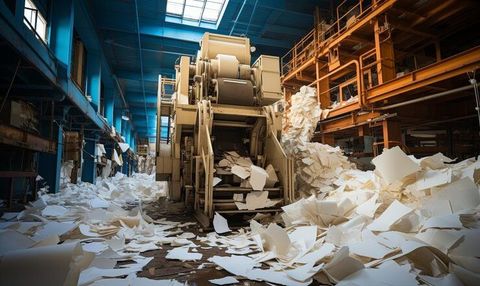
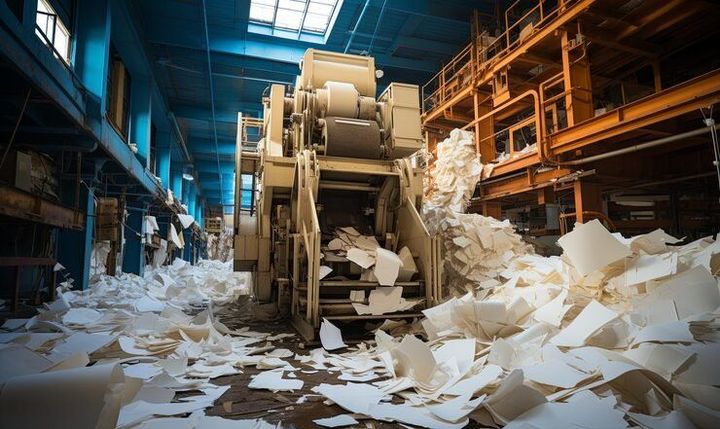
Different machines perform different functions in the processing line. Common equipment includes:
- Bale breakers and conveyors for moving and separating recovered paper.
- Sorting systems for separating paper grades and removing unwanted materials.
- Pulpers for mixing paper with water and breaking it into individual fibers.
- Screens and cleaners for removing particles, plastics, grit, and other contaminants.
- Deinking equipment for reducing ink and certain surface contaminants when the paper grade requires it.
- Thickening and dewatering units for adjusting fiber concentration.
- Presses and dryers for removing water when recycled pulp is converted into sheets or other products.
Importance
Why paper recycling matters
Paper recycling helps recover a material that would otherwise enter mixed waste streams. It also creates a controlled way to separate reusable fiber from contaminants. For households, offices, schools, warehouses, printers, packaging facilities, and municipalities, effective separation at the source can make later processing more practical.
The quality of recovered paper has a direct effect on machine operation. Wet, heavily contaminated, laminated, or mixed paper can require additional separation and processing. Poor sorting can also increase rejects, affect pulp quality, and place extra load on screens, cleaners, pumps, and other equipment.
Uses of recycled paper fiber
Processed fiber can be used in several paper and board applications, depending on its cleanliness, strength, brightness, and other characteristics. Examples include:
- Corrugated and packaging board
- Tissue and certain hygiene papers
- Newsprint and publication papers in suitable grades
- Paperboard products
- Molded fiber products
- Selected writing and printing papers
Not every recovered paper stream is appropriate for every end use. Fiber characteristics, contamination levels, processing methods, and product specifications all influence the final application.
Common operating challenges
Paper recycling machines work with large quantities of water, fiber, and moving mechanical parts. Common challenges include screen plugging, excessive foam, fiber loss, contamination buildup, pump wear, unstable pulp consistency, and moisture variation.
Operators also need to manage the rejects created during sorting and cleaning. These may include plastics, metals, adhesives, coatings, grit, and short fibers that are not suitable for the intended process.
Recent Updates
Processing trends from 2024–2026
From 2024 through 2026, paper and packaging discussions in India have increasingly focused on recovered paper, recycling, circular material flows, and better waste segregation. Industry information published by IBEF states that recovered paper and recycled fiber accounted for roughly 74–76% of Indian paper production inputs in 2024–25, indicating the importance of recovered fiber within the sector.
Another important development is the stronger emphasis on source segregation and digital monitoring of solid waste. India's Solid Waste Management Rules, 2026 introduced mandatory segregation into four streams and place paper within the dry-waste stream that is directed toward sorting and recycling. The rules came into effect on April 1, 2026.
Automation is also becoming more visible in recycling operations. Modern lines may use sensors, programmable controls, automated consistency measurement, improved screening, and monitoring systems to maintain more stable processing conditions.
Paper recycling machine selection factors
When comparing equipment, several technical factors matter:
| Factor | Why it matters |
|---|---|
| Paper grade | Different grades contain different fiber and contaminant levels |
| Throughput | Determines how much material the line can process |
| Pulp consistency | Affects pumping, screening, and fiber separation |
| Contamination | Influences cleaning and screening requirements |
| Deinking need | Determines whether additional treatment stages are required |
| Water use | Affects process design and wastewater handling |
| Energy use | Influences plant operation and equipment sizing |
| Maintenance access | Affects inspection, cleaning, and replacement work |
Laws or Policies
Solid waste management rules in India
India's current framework includes the Solid Waste Management Rules, 2026, notified under the Environment (Protection) Act, 1986. The rules replaced the 2016 framework and took effect from April 1, 2026. They require source segregation into wet, dry, sanitary, and special-care waste streams. Paper and paperboard are identified as recyclable materials within dry waste.
The rules also strengthen requirements around bulk waste generators, processing, reporting, and digital monitoring. CPCB's centralized solid-waste portal provides information about registration and implementation for relevant categories of bulk waste generators.
Extended producer responsibility developments
In 2024, the Ministry of Environment, Forest and Climate Change published a draft framework for Extended Producer Responsibility covering packaging made from paper, paperboard, glass, and certain metals, along with sanitary products. The draft proposed recycling responsibilities and digital registration mechanisms for specified stakeholders. It should be distinguished from the final rules currently in force, because the 2024 document was issued as a draft for comments.
Requirements can vary according to facility type, location, waste stream, water use, emissions, and state-level pollution-control requirements. Applicable central and state rules therefore need to be checked together.
Tools and Resources
Equipment and measurement tools
Paper recycling operations use several supporting tools in addition to the main machines. Moisture meters can help monitor incoming recovered paper and finished materials. Pulp consistency meters can help track the concentration of fiber in process water. Pressure gauges, flow meters, vibration monitors, and energy meters can help identify changes in equipment operation.
Maintenance records are another useful resource. A simple record can track inspection dates, screen cleaning, bearing checks, pump condition, belt tension, lubrication, motor readings, and unusual vibration or noise.
Online information resources
The Central Pollution Control Board's centralized Solid Waste Management portal provides information related to the Solid Waste Management Rules, 2026, bulk waste generators, registration, and implementation.
The Ministry of Environment, Forest and Climate Change maintains a rules and notifications archive that can be used to review environmental regulations and amendments. These sources can help check whether requirements have changed before a facility is planned or modified.
Maintenance needs
Routine maintenance is important because paper fibers and contaminants can accumulate around screens, pumps, tanks, conveyors, and other components. Typical maintenance activities include cleaning screens, inspecting cutters and pulper components, checking pumps and bearings, examining conveyor belts, monitoring motors, and inspecting seals and valves.
Maintenance intervals depend on equipment design, operating hours, feedstock quality, water chemistry, and contamination levels. Manufacturers' technical manuals and the facility's operating records are normally used to establish appropriate inspection schedules.
FAQs
What are paper recycling machines used for?
Paper recycling machines separate, process, clean, and prepare recovered paper fibers for reuse. A complete system may include sorting equipment, pulpers, screens, cleaners, dewatering units, and drying equipment.
What are the main types of paper recycling machines?
Common types include bale breakers, conveyors, pulpers, screening machines, centrifugal cleaners, deinking equipment, thickeners, presses, and dryers. The combination depends on the recovered paper grade and intended output.
What are the main paper recycling processing steps?
The general sequence is collection and sorting, contaminant removal, pulping, screening and cleaning, optional deinking, thickening or dewatering, and final forming or drying. Some facilities use only selected stages.
How often do paper recycling machines need maintenance?
There is no single maintenance interval for every machine. Inspection frequency depends on operating hours, material quality, equipment design, water conditions, and the manufacturer's maintenance requirements.
What affects recycled paper quality?
Fiber type, contamination, moisture, ink, coatings, adhesives, fiber length, processing conditions, and the number of previous recycling cycles can all affect recycled paper quality.
Conclusion
Paper recycling machines form a connected system for sorting recovered paper, separating contaminants, processing fibers, and preparing material for reuse. Equipment selection depends on paper grade, contamination, required output, water management, energy use, and maintenance needs. In India, the Solid Waste Management Rules, 2026 place greater emphasis on source segregation and organized processing of recyclable dry waste. Understanding the processing stages and equipment functions helps explain how recovered paper moves from discarded material toward another use.