Offsite Meeting Spaces Basics With Seating, Technology, and Meeting Setup Tips
Offsite meeting spaces are dedicated locations outside an organization's regular workplace where individuals and teams gather for discussions, planning sessions, training activities, workshops, and business meetings.
These spaces may include conference rooms, hotel meeting areas, coworking facilities, training rooms, and independent event venues. They provide an alternative environment for people who need a separate setting for focused conversations and collaborative activities.
The concept of offsite meetings developed as organizations began recognizing the importance of separating certain discussions from everyday workplace activities. Regular offices often contain interruptions, ongoing tasks, and limited room configurations. Moving a meeting to another location can create a different atmosphere that supports group interaction, structured discussions, and planning.
Offsite meeting spaces are designed around several practical requirements. These include suitable seating arrangements, reliable internet connectivity, presentation equipment, lighting, ventilation, accessibility, and enough room for participants to move comfortably.
The purpose of selecting an appropriate meeting environment is to ensure that the physical surroundings support the planned activities. A small strategy discussion may require a quiet conference room, while a larger training session may need flexible seating and presentation facilities.
Common Types of Offsite Meeting Spaces
Different meeting formats require different physical environments. Common options include:
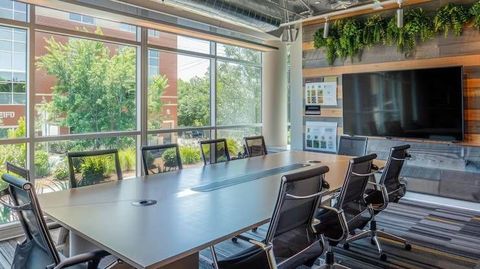
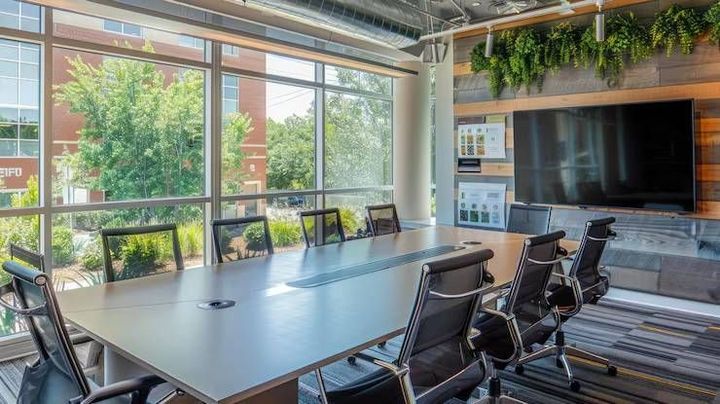
Conference rooms: Enclosed rooms with meeting tables, chairs, presentation screens, and communication equipment.
Hotel meeting rooms: Dedicated indoor areas designed for professional gatherings, seminars, and group discussions.
Coworking meeting rooms: Shared workplace environments with private rooms available for team conversations and scheduled meetings.
Training rooms: Spaces arranged for educational sessions, workshops, demonstrations, and group exercises.
Retreat venues: Locations with indoor and outdoor areas that accommodate longer planning sessions and collaborative activities.
Each type has different room capacities, facilities, layouts, and accessibility arrangements. Understanding these differences helps organizers identify a suitable environment for their meeting objectives.
Importance
Offsite meeting spaces matter because the physical environment can influence communication, participation, concentration, and the overall organization of group activities. A separate location can help participants focus on a particular subject without the routine interruptions associated with their regular workplace.
These environments are relevant to businesses, educational institutions, nonprofit organizations, consultants, project teams, and community groups. They accommodate different meeting formats, from small discussions involving a few people to larger conferences involving multiple departments.
Supporting Communication and Collaboration
A properly arranged meeting room allows participants to communicate more comfortably. Seating positions, table arrangements, lighting, and room dimensions can influence how easily people interact with one another.
For example, a round-table arrangement supports direct conversation, while classroom-style seating is more appropriate when participants need to concentrate on a presenter. A U-shaped layout allows both presentation activities and group discussion.
Managing Workplace Distractions
Regular offices contain telephones, visitors, conversations, and ongoing responsibilities. These activities can interrupt discussions, particularly when a meeting requires detailed planning or confidential communication.
An offsite location provides a separate setting where participants can concentrate on the meeting agenda. However, organizers should still consider noise levels, privacy, and interruptions within the selected venue.
Accommodating Different Group Sizes
Meeting requirements vary according to the number of participants and the purpose of the gathering. A small discussion may need a compact room, whereas a workshop may require additional space for group exercises and movement.
The following table explains common meeting arrangements and their practical applications.
| Meeting arrangement | Typical group size | Main purpose |
|---|---|---|
| Small discussion room | 2–6 people | Private conversations |
| Boardroom setup | 6–16 people | Planning and decision-making |
| U-shaped seating | 10–25 people | Presentations and interaction |
| Classroom arrangement | 15–40 people | Training and instruction |
| Theatre arrangement | 30–100+ people | Conferences and presentations |
These figures are illustrative rather than fixed capacity standards. Actual room capacity depends on furniture dimensions, building regulations, circulation space, and the venue's approved occupancy.
Improving Participant Comfort
Comfort is an important part of meeting preparation. Chairs should provide appropriate support, tables should have sufficient working space, and room temperatures should remain reasonably comfortable.
Adequate lighting and ventilation also contribute to a suitable indoor environment. Participants may need access to drinking water, restrooms, charging points, and convenient entry routes during longer sessions.
Recent Updates
Offsite meeting spaces have experienced changes as organizations increasingly combine physical gatherings with digital communication. Hybrid meetings, flexible room configurations, and integrated presentation equipment have become more common considerations in venue planning.
Growth of Hybrid Meeting Technology
Hybrid meetings allow some participants to attend physically while others join through video conferencing platforms. This arrangement requires cameras, microphones, speakers, stable internet connectivity, and appropriate display equipment.
Modern meeting rooms may include:
Conference cameras with wide viewing angles.
Wireless screen-sharing equipment.
Integrated microphones and speakers.
Large displays for presentations and remote participants.
Video conferencing software with screen-sharing capabilities.
Room acoustics are particularly important because background noise can affect remote participants' ability to follow conversations.
Flexible Seating and Room Layouts
Meeting environments increasingly use movable furniture and adaptable room configurations. A single space may accommodate classroom seating in the morning and collaborative group activities later in the day.
Modular tables, lightweight chairs, movable partitions, and adjustable presentation screens help organizers change the room arrangement according to the session requirements.
Greater Attention to Accessibility
Accessibility has become an important consideration in meeting space planning. Organizers increasingly examine entrance arrangements, wheelchair movement, accessible restrooms, seating flexibility, and visual or hearing assistance.
Digital accessibility also matters when presentations include remote participants. Clear audio, readable presentation materials, captions, and accessible digital documents can support broader participation.
Technology and Environmental Considerations
Energy-efficient lighting, digital meeting materials, occupancy-based room controls, and improved building management systems are additional developments in meeting environments.
These features can help reduce unnecessary resource use while maintaining comfortable indoor conditions. However, their availability varies according to the building, venue infrastructure, and equipment installed.
Laws or Policies
Rules governing offsite meeting spaces depend on the country, local authorities, building classification, and intended activities. Organizers should understand the general regulatory areas that influence room selection, participant safety, accessibility, and technology use.
For an international audience, the following considerations provide a general overview rather than a description of one country's legal requirements.
Building Safety and Occupancy
Meeting venues generally operate under applicable building and fire safety requirements. These rules may cover approved occupancy limits, emergency exits, fire detection equipment, evacuation routes, electrical installations, and emergency lighting.
Organizers should confirm that the selected room has an appropriate capacity for the expected number of participants. Furniture should not obstruct emergency exits or designated movement pathways.
Accessibility Requirements
Accessibility regulations in many jurisdictions address the physical environment of public buildings and facilities. Requirements may include accessible entrances, suitable pathways, designated restroom facilities, and appropriate movement areas.
Some regulations also address reasonable adjustments for individuals with disabilities. Meeting organizers should consider these requirements when arranging seating, presentations, and participant access.
Privacy and Data Protection
Meetings sometimes involve personal information, financial discussions, internal documents, or confidential presentations. Privacy and data protection rules may influence how this information is displayed, recorded, stored, and shared.
Organizers should consider the following precautions:
Use password-protected meeting connections where appropriate.
Avoid displaying confidential information in publicly accessible areas.
Restrict access to meeting recordings and documents.
Follow applicable consent requirements before recording participants.
Use secure internet connections for sensitive discussions.
Employment and Workplace Safety Considerations
When organizations arrange offsite meetings for employees, workplace safety obligations may still apply depending on the jurisdiction and circumstances.
These considerations can include safe transportation arrangements, reasonable working conditions, emergency procedures, and accessibility provisions. The exact responsibilities vary according to local legislation and the relationship between the organization and participants.
Tools and Resources
Several digital tools and planning resources can help organizers prepare offsite meeting spaces. They support room selection, participant coordination, seating arrangements, technology checks, and meeting schedules.
Room Planning and Seating Tools
Floor-planning applications allow users to create room layouts and position tables, chairs, screens, and presentation areas. These tools can help determine whether the proposed arrangement provides sufficient circulation space.
A simple seating plan can also be prepared using spreadsheet software or presentation applications. The plan should identify participant positions, presentation areas, entrances, and equipment locations.
Meeting and Communication Platforms
Digital meeting platforms help coordinate in-person and remote participation. Common examples include:
Microsoft Teams: Supports video meetings, document collaboration, and screen sharing.
Zoom: Provides video conferencing, participant management, and presentation features.
Google Meet: Supports online meetings and communication through compatible devices.
The required platform depends on participant access, organizational preferences, security settings, and compatibility with the venue's equipment.
Scheduling and Organization Resources
Calendar applications help coordinate participant availability and meeting schedules. Digital calendars can also include venue addresses, preparation instructions, meeting agendas, and joining information.
Project management applications and shared documents can help organize responsibilities, discussion topics, and preparation tasks.
Meeting Setup Checklist
A practical checklist helps organizers verify essential arrangements before participants arrive.
Confirm the meeting room capacity.
Check seating arrangements and table positions.
Test internet connectivity.
Verify microphones, speakers, and display screens.
Prepare presentation materials.
Check lighting, ventilation, and temperature.
Confirm accessible entrances and restrooms.
Review emergency exits and evacuation information.
Arrange drinking water and necessary refreshments.
Share the agenda and location details with participants.
Completing these checks helps reduce avoidable interruptions during the meeting.
FAQs
What are offsite meeting spaces?
Offsite meeting spaces are locations outside an organization's regular workplace used for meetings, training sessions, workshops, conferences, and planning activities. Examples include conference rooms, hotel meeting facilities, coworking spaces, and retreat venues.
What seating arrangement is suitable for an offsite meeting?
The appropriate seating arrangement depends on the meeting purpose. Boardroom seating supports group discussions, classroom seating suits training sessions, theatre seating accommodates presentations, and U-shaped seating supports interaction between presenters and participants.
What technology is needed in offsite meeting spaces?
Common technology includes reliable Wi-Fi, presentation screens, projectors, microphones, speakers, video conferencing cameras, and compatible connection equipment. Hybrid meetings may require additional audio and video facilities.
How should organizers select an offsite meeting room?
Organizers should examine participant numbers, room dimensions, accessibility, seating flexibility, internet connectivity, available equipment, privacy, and the meeting agenda. The room should accommodate the planned activities without overcrowding.
Are there safety requirements for offsite meeting spaces?
Yes. Applicable requirements may cover building occupancy, fire protection, emergency exits, electrical safety, accessibility, and evacuation procedures. Specific obligations depend on local regulations and the type of venue.
Conclusion
Offsite meeting spaces provide separate environments for discussions, training, planning, and collaborative activities. Their suitability depends on room capacity, seating arrangements, technology, accessibility, comfort, and applicable safety requirements. Recent developments in hybrid communication and flexible room layouts have expanded the ways organizations arrange meetings. Careful preparation helps ensure that the physical environment supports the intended meeting activities.