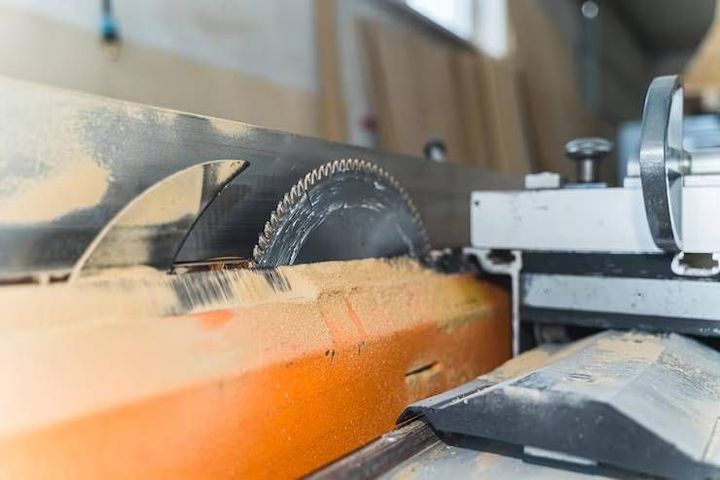
Metal Cutting Band Saws Guide: Designs, Blade Types, Features, Uses and Selection Considerations
Metal cutting band saws are machines designed to cut metal stock into sections, blanks, or finished dimensions using a continuous toothed blade. Unlike a circular saw, the blade travels in a continuous loop around wheels, allowing the cutting action to follow a steady path. These machines are used with materials such as steel, stainless steel, aluminum, copper alloys, and other metals in fabrication, maintenance, construction, and manufacturing environments.
Context
How Metal Cutting Band Saws Developed
Early band saw concepts used continuous blades for woodworking, and the same basic motion later became useful for cutting metal. Metal cutting versions were developed with stronger frames, controlled blade speeds, suitable tooth patterns, and mechanisms for holding heavy workpieces securely.
A modern metal cutting band saw can include a horizontal or vertical configuration. Horizontal machines are commonly used for cutting bars, tubes, pipes, and structural sections, while vertical machines can support contour cutting and work on smaller or irregular pieces.
How the Cutting Process Works
The workpiece is positioned on a table or within a vise. The blade moves around two or more wheels while the cutting area is guided through the material. Blade speed, tooth pitch, cutting pressure, material shape, and coolant use all influence how the cut is made.
The continuous blade can create a relatively narrow cutting path, which is useful when material geometry and cut dimensions need to be controlled. The machine must still be set according to the material and blade specification rather than using one setting for every application.
Importance
Why These Machines Matter
Metal cutting is part of many industrial processes, from preparing raw stock to producing components for assembly. A suitable saw can divide long metal sections into manageable pieces before drilling, turning, milling, welding, or other operations.
For general users, the important issue is matching the machine and blade to the material. A mismatch can increase vibration, tooth wear, rough cutting, or blade breakage. Proper workpiece support and guarding are also important because the blade contains moving teeth and can create sharp chips.
Common Applications
Metal cutting band saws are used in workshops, fabrication facilities, maintenance areas, metalworking plants, and construction-related operations. Common applications include:
- Cutting steel bars, tubes, channels, and angles
- Preparing stainless-steel sections for fabrication
- Cutting aluminum and other non-ferrous metal stock
- Producing repeated blanks from long material
- Preparing pipes and structural sections for further processing
- Cutting solid rounds, square sections, and rectangular stock
Main Designs and Features
Horizontal band saws generally position the blade across the workpiece and are suited to straight cuts. Vertical band saws keep the blade in a vertical position and can provide more flexibility for contour work. Portable and compact designs can be used where large fixed equipment is not practical.
Important features can include variable blade speed, adjustable feed control, hydraulic or mechanical workholding, automatic shutoff, blade tension control, coolant systems, and guarding around moving components. Some machines also use programmable controls for repeated cutting sequences.
| Design or feature | Typical purpose | Main consideration |
|---|---|---|
| Horizontal band saw | Straight cuts in stock | Workpiece size and support |
| Vertical band saw | Contour and general cutting | Table space and blade guidance |
| Variable speed | Different material conditions | Correct speed range |
| Hydraulic workholding | Secure heavy sections | Clamping capacity |
| Coolant system | Heat and chip control | Fluid selection and maintenance |
| Automatic feed | Repeated cutting cycles | Setup and monitoring |
Recent Updates
Developments from 2024–2026
Recent developments in metal cutting band saws have focused on automation, operator protection, cutting consistency, and digital control rather than a complete change in the basic cutting principle. Larger production systems increasingly incorporate programmable settings, automatic material feeding, blade monitoring, and sensors.
Another trend is greater attention to application-specific blades. Bi-metal blades remain widely used for general metal cutting, while carbide-tipped blades are used for demanding materials and applications where cutting conditions justify their use. Blade geometry is increasingly selected around material type, section shape, and production requirements.
Machine safety and conformity documentation have also received attention in India. BIS published machine-category guidelines for metal cutting machines under the 2024 machinery safety framework, including requirements concerning technical files, marking, and certification. BIS's current product information also records later changes to the machinery safety framework, so users should check the latest applicable notification before treating an older requirement as current.
Blade Technology
Common blade categories include carbon steel, bi-metal, and carbide-tipped designs. Bi-metal blades combine a flexible backing material with a harder cutting edge, while carbide-tipped blades use carbide teeth for applications involving harder or difficult-to-cut materials.
Tooth pitch is another important factor. Fine tooth patterns are generally associated with thinner sections, while coarser patterns can be used for thicker material. The correct selection also depends on whether the workpiece is solid, tubular, or structural.
Laws or Policies
Indian Machinery Safety Requirements
In India, machinery regulation can involve BIS standards, conformity assessment requirements, workplace safety rules, and applicable state or central legislation. The Machinery and Electrical Equipment Safety framework introduced through the 2024 Omnibus Technical Regulation included metal cutting machine tools within its scope. BIS later recorded an order in January 2026 rescinding that 2024 regulation, so the applicable requirements can depend on the current regulatory notification and the specific machine category.
BIS provides a product-specific “Know Your Standard” resource that allows users to search standards by Indian Standard number or product keyword. The Occupational Safety, Health and Working Conditions Code, 2020 is also part of India's workplace safety framework, with central and state rules forming part of its implementation structure.
For a particular machine, documentation may include technical specifications, safety information, markings, risk assessment material, and conformity documents where applicable. Requirements can differ according to machine type, origin, intended use, and the rules in force at the time of manufacture or import.
Workplace Safety
Operators should follow the machine manufacturer's instructions, use guards correctly, keep hands away from the blade path, secure the workpiece, and use appropriate eye and hearing protection where required by the workplace risk assessment. Loose clothing, jewelry, and unsecured hair should be kept away from moving parts.
Tools and Resources
Useful Selection and Setup Resources
Several resources can help readers understand metal cutting band saw operation. A blade manufacturer's tooth-pitch chart can help relate tooth selection to material thickness. Machine manuals provide information about blade tension, speed ranges, feed settings, lubrication, guarding, and maintenance intervals.
Useful resources include:
- BIS's “Know Your Standard” portal for Indian Standards and related documents
- Machine manuals and technical datasheets for operating specifications
- Blade selection charts for tooth pitch and material thickness
- Material reference tables for common metals
- Cutting-speed and feed calculators used in metalworking
- Workshop inspection checklists for guards, workholding, blade condition, and coolant systems
These resources should be interpreted together with the machine's documented specifications and the material being processed.
FAQs
What are metal cutting band saws used for?
Metal cutting band saws are used to cut metal bars, tubes, pipes, structural sections, and other stock into required sections. They are found in fabrication, manufacturing, maintenance, and workshop environments.
Which blade types are used in metal cutting band saws?
Common blade types include carbon steel, bi-metal, and carbide-tipped blades. Selection depends on the material, section thickness, cutting conditions, and required cutting pattern.
What is the difference between horizontal and vertical band saws?
A horizontal band saw is commonly arranged for straight cuts through stock held in a vise. A vertical band saw uses a vertical blade and can provide more flexibility for contour cutting and smaller workpieces.
How do I select a blade for a metal cutting band saw?
Consider the metal type, thickness, shape, tooth pitch, blade width, and machine speed range. Solid sections and thin-walled tubes can require different tooth patterns, so the blade specification should match the workpiece geometry.
What safety features are important on metal cutting band saws?
Useful safety features include blade guards, emergency stopping controls, secure workholding, blade tension monitoring, and controlled feed mechanisms. Safe operation also depends on correct setup, guarding, training, and workplace procedures.
Conclusion
Metal cutting band saws use a continuous toothed blade to divide metal stock into controlled sections for fabrication and manufacturing processes. Horizontal and vertical designs serve different cutting needs, while blade material, tooth pitch, speed, and workpiece geometry influence cutting conditions. Developments through 2024–2026 have placed greater attention on automation, monitoring, safety, and application-specific blade technology. In India, users should consider the current BIS framework and applicable workplace safety requirements when evaluating machinery.