Learn How Smart Motor Control Systems Improve Industrial Efficiency and Performance
Smart motor control systems are technologies designed to regulate, monitor, and manage electric motors used in industrial equipment. Motors power many machines, including pumps, compressors, conveyors, fans, mixers, machine tools, and material-handling equipment.
A smart motor control system can include variable frequency drives, motor starters, sensors, programmable controllers, communication networks, and monitoring software. These components work together to adjust motor operation according to the requirements of a machine or production process. Instead of running a motor at one fixed operating level, the system can respond to changing loads and operating conditions.
How Motor Control Technology Developed
Earlier motor-control arrangements commonly relied on electromechanical switches, contactors, relays, fuses, and basic overload protection. These devices remain useful, particularly in straightforward applications, but modern industrial environments increasingly require more information about motor operation.
The development of power electronics made it possible to control motor speed and torque more precisely. Digital controllers then added functions such as condition monitoring, fault detection, communication, data recording, and automated adjustment. This development helped create the modern category known as smart motor control systems.
Main Components
A typical system may contain several interconnected components:
- Variable frequency drives regulate motor speed and acceleration.
- Motor starters control motor starting and stopping.
- Sensors measure variables such as temperature, vibration, current, pressure, or speed.
- Programmable logic controllers coordinate machine operations.
- Human-machine interfaces display operating information to personnel.
- Industrial communication networks transfer information between equipment.
- Monitoring software records operating conditions and identifies unusual behavior.
The exact configuration depends on the motor type, machine design, operating environment, and control requirements.
Importance
Why Smart Motor Control Matters
Industrial motors can operate for long periods and may be connected to equipment that requires different operating levels throughout the day. Running a motor continuously at maximum speed when a lower speed is sufficient can result in unnecessary electrical consumption and mechanical stress.
Smart motor control systems address this challenge by allowing motor operation to correspond more closely with actual machine requirements. For example, a pump may need different flow rates at different stages of a process. A variable frequency drive can adjust motor speed instead of relying entirely on mechanical restriction.
This type of control can also make industrial equipment easier to monitor. Operators can view measurements such as motor current, temperature, speed, and fault conditions through a digital interface rather than depending only on physical inspection.
Efficiency and Performance Factors
Motor efficiency is influenced by several factors, including motor design, load level, operating speed, power quality, maintenance condition, and control method. Smart motor control does not automatically make every motor more efficient, but appropriate control can help reduce unnecessary operation in applications where speed adjustment is suitable.
Performance improvements can also come from smoother acceleration and deceleration. Instead of applying full electrical and mechanical forces immediately, electronic controls can gradually change motor speed. This can reduce sudden mechanical loads on connected components.
The potential advantages include:
- More precise speed regulation
- Better control of changing loads
- Reduced mechanical stress during starting
- Improved monitoring of operating conditions
- Faster identification of abnormal operation
- More detailed operational data
- Better coordination between motors and production equipment
Who Uses These Systems
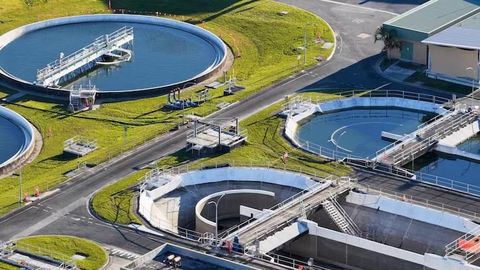
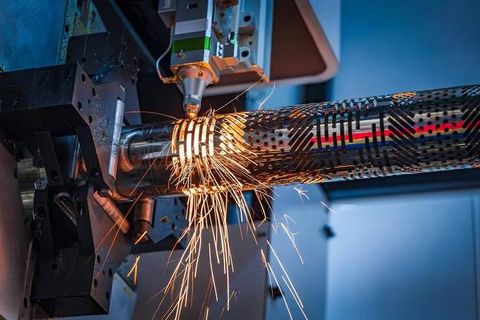
Smart motor control systems are relevant to many industrial sectors. Manufacturing facilities use them for conveyors, pumps, fans, compressors, mixers, and machine tools. Water-processing facilities use motor controls for pumping and circulation equipment, while building systems can use them for ventilation and air-handling applications.
Agricultural processing, food production, packaging, material handling, mining, chemical processing, and other industrial environments can also use motor-control technologies. The specific configuration varies according to equipment requirements and operating conditions.
Comparing Conventional and Smart Control
| Feature | Conventional Motor Control | Smart Motor Control |
|---|---|---|
| Basic starting and stopping | Common | Common |
| Motor protection | Basic to advanced | Advanced |
| Speed adjustment | Limited in many systems | Common |
| Operating data | Limited | Extensive |
| Remote monitoring | Limited | Often available |
| Fault information | Basic | More detailed |
| Communication | May be absent | Common in integrated systems |
| Condition monitoring | Limited | Sensor-based options |
The table illustrates the general difference between conventional and digitally connected control arrangements. Not every smart system contains every listed function.
Recent Updates
Growth of Connected Motor Control
From 2024 through 2026, industrial automation has continued moving toward connected equipment and data-based monitoring. Smart motor control systems increasingly integrate with industrial networks, supervisory software, programmable controllers, and plant-level monitoring platforms.
This trend means that motor information can become part of a wider operational picture. Instead of viewing a motor as an isolated machine component, industrial systems can collect information from multiple motors and compare operating conditions.
Predictive Monitoring
Condition monitoring has also become more important. Sensors can collect information about vibration, temperature, electrical current, and other operating characteristics. Software can then identify patterns that may indicate unusual conditions.
Predictive monitoring does not eliminate physical inspections or maintenance procedures. Rather, it provides additional information that can help personnel understand equipment behavior and investigate potential problems earlier.
Integration With Industrial Automation
Modern motor control is increasingly integrated with programmable logic controllers and industrial communication systems. This allows motor operation to respond to information from other parts of a machine.
For example, a conveyor motor can be coordinated with sensors that detect material movement. A pump can respond to pressure measurements, while a ventilation motor can adjust according to system requirements. Such integration supports more coordinated industrial processes.
Energy Monitoring
Another continuing trend is the use of electrical measurements for energy analysis. Smart motor control systems can record operating information that helps facilities understand when motors are running, how heavily they are loaded, and how operating patterns change.
Energy monitoring is particularly useful when a facility contains many motors because individual equipment behavior can otherwise be difficult to evaluate. The collected information can support broader energy-management programs.
Laws or Policies
Electrical and Industrial Requirements
Motor control systems are influenced by electrical safety requirements, machinery regulations, electromagnetic compatibility requirements, and energy-efficiency frameworks. Exact requirements vary according to the country, industry, equipment type, installation environment, and motor-control architecture.
International standards such as IEC standards are widely used as technical references for electrical equipment, motor controls, machinery safety, and industrial automation. National authorities may adopt, modify, or supplement such standards through local regulations.
Energy Efficiency Considerations
Many industrial markets have introduced policies encouraging more efficient electric motors and equipment. These requirements can cover motor efficiency classes, testing methods, labeling, documentation, and equipment performance.
A smart motor control system should therefore be selected and configured with the applicable electrical, machinery, environmental, and energy requirements in mind. Compliance depends on the complete installation rather than on the presence of a particular controller alone.
Safety and Documentation
Industrial installations may also require documentation covering electrical ratings, protective devices, wiring, control functions, emergency stopping arrangements, and equipment integration. Personnel working with industrial electrical equipment generally need appropriate training and must follow applicable workplace safety procedures.
Because requirements differ across jurisdictions, technical specifications and local regulatory documents should be reviewed for each installation.
Tools and Resources
Motor Selection and Calculation Tools
Several types of tools can help users understand motor-control requirements. Motor sizing calculators can estimate approximate power requirements based on load characteristics, speed, torque, and operating conditions.
Energy calculators can also help estimate electrical consumption from motor operating hours and power ratings. These calculations are useful for comparison and planning but should not replace detailed engineering evaluation.
Monitoring Platforms
Industrial monitoring platforms can display motor speed, current, temperature, alarms, operating hours, and other measurements. Some systems provide dashboards that combine information from multiple machines.
Data logging tools can help create operating histories. These records can be useful when investigating recurring alarms, unusual operating patterns, or changes in machine behavior.
Technical Resources
Manufacturers of motors, variable frequency drives, controllers, and industrial automation equipment commonly provide technical manuals, configuration guides, selection tables, wiring diagrams, and application documentation. Standards organizations and industrial safety authorities also publish technical information relevant to motor-control installations.
Useful resources generally include:
- Motor sizing calculators
- Drive selection guides
- Motor efficiency databases
- Electrical calculation tools
- Controller programming documentation
- Industrial communication references
- Equipment manuals
- Machinery safety guidance
- Energy-monitoring templates
These resources help readers understand the relationship between motor characteristics, control requirements, electrical conditions, and machine performance.
FAQs
What are smart motor control systems?
Smart motor control systems combine motor-control equipment with electronic monitoring, sensors, communication, and automation functions. They can regulate motor operation while providing information about operating conditions.
How do smart motor control systems improve industrial efficiency?
Smart motor control systems can adjust motor operation according to changing machine requirements. In suitable applications, variable speed control can reduce unnecessary motor operation and improve coordination between equipment.
What is the role of a variable frequency drive in smart motor control?
A variable frequency drive controls the frequency and voltage supplied to an AC motor, allowing motor speed to be adjusted. It can also provide functions such as controlled acceleration, deceleration, and motor protection.
Can smart motor control systems detect motor problems?
Many systems can monitor measurements such as current, temperature, vibration, operating hours, and fault conditions. Unusual readings may indicate that further inspection is appropriate, although monitoring data alone does not establish the exact cause of a problem.
Are smart motor control systems suitable for every industrial motor?
No. Suitability depends on motor type, load characteristics, control requirements, electrical conditions, environmental factors, and the overall machine design. Some applications require simple controls, while others benefit from advanced monitoring and speed regulation.
Conclusion
Smart motor control systems combine motor regulation, electronic protection, monitoring, communication, and automation capabilities. Their role has expanded as industrial facilities have adopted connected equipment and data-based operational monitoring. Variable speed control, condition monitoring, and system integration can help align motor operation with machine requirements in appropriate applications. The technology continues to develop alongside industrial automation, energy-management practices, and electrical safety requirements.