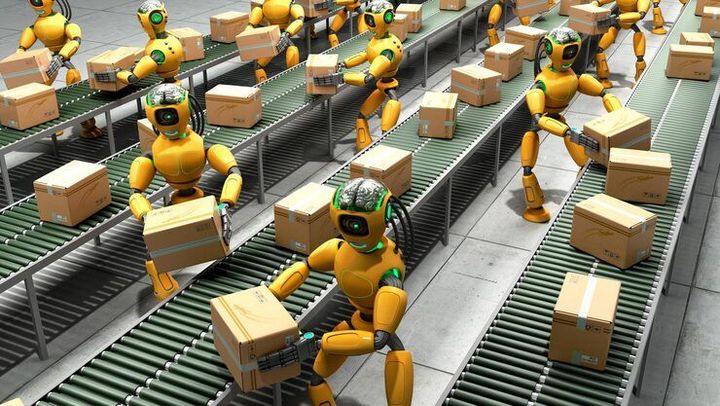
Learn How Robotic Case Packers Improve Packaging Efficiency and Production
Robotic case packers are automated packaging systems designed to place products into cartons, cases, trays, or other containers with controlled movement and consistent positioning. As manufacturing operations handle greater product variety and faster production cycles, robotic case packing has become an important part of modern packaging automation.
These systems combine robotic arms, sensors, conveyors, grippers, control software, and case-handling equipment to coordinate packaging tasks. Understanding how robotic case packers operate helps explain why manufacturers use them to improve packaging efficiency, product handling, workplace organization, and production consistency.
Context
What Are Robotic Case Packers?
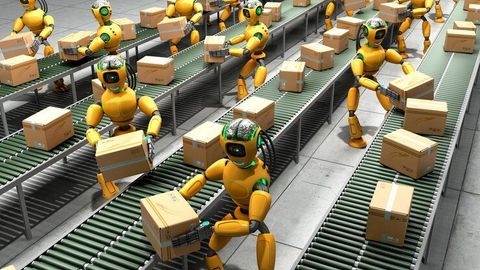
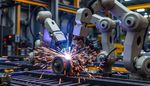
A robotic case packer is a packaging machine that uses a programmable robot to arrange products inside shipping cases or other containers. Depending on the application, the robot may pick individual products, groups of products, bundles, or containers from a conveyor and place them into a predefined case pattern.
Traditional case packing can involve repetitive manual handling. Robotic case packers introduce automated movement and programmable control, allowing the same basic operation to continue across extended production periods.
The system commonly includes several connected components:
- Product conveyor for transporting items toward the packing area
- Robotic arm for picking and positioning products
- Gripper or end-of-arm tool for holding different product shapes
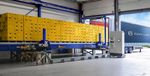
- Case conveyor for moving cartons into the loading position
- Sensors for detecting product and case positions
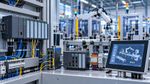
- Control system for coordinating movement and timing
- Safety equipment for separating people from moving machinery
The exact configuration depends on product dimensions, packaging material, case design, production speed, and required packing pattern.
How Robotic Case Packers Work
The process usually begins with products arriving on a conveyor. Sensors identify their position, while the control system determines when the robotic arm should move.
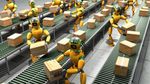
The robotic arm approaches the products using a programmed motion sequence. Its gripper then collects one item or a group of items. The robot moves the products toward an open case and places them according to the required arrangement.
Once the case reaches its specified quantity or pattern, it moves to another packaging stage. This may involve case closing, sealing, labeling, palletizing, or inspection.
The coordinated movement of conveyors, sensors, robots, and controls allows the packaging line to operate as a connected system rather than as a series of isolated tasks.
Importance
Why Packaging Efficiency Matters
Packaging is an important part of manufacturing because products must be organized and protected before they move through storage and distribution. Inefficient case packing can create uneven product placement, unnecessary handling, interruptions, and inconsistent case presentation.
Robotic case packers help address these challenges by performing repetitive movements according to programmed instructions. Consistent positioning can make downstream operations easier because cases arrive with a predictable arrangement.
Packaging efficiency can involve several factors:
- Consistent product placement
- Controlled movement between packaging stages
- Reduced repetitive manual handling
- More predictable production cycles
- Improved use of available floor space
- Easier integration with inspection and palletizing systems
These factors can influence the overall organization of a production line without requiring every packaging task to be performed manually.
Who Uses Robotic Case Packers?
Robotic case packing technology is used across many manufacturing and packaging environments. Applications can include food and beverage products, household goods, personal care products, consumer goods, industrial components, and packaged materials.
The technology is particularly relevant when products are manufactured repeatedly in similar formats. It can also be configured for operations where multiple product sizes or packing patterns need to be handled.
For workers, automation can change the nature of packaging tasks. Instead of repeatedly lifting and positioning products, personnel may focus more on equipment monitoring, quality checks, material preparation, system adjustments, and maintenance activities.
Production Challenges Addressed by Automation
Manual case packing may become difficult when production involves repetitive movements, frequent product transfers, or continuous packaging cycles. Human performance can also vary because of fatigue, changing workloads, or differences in handling technique.
Robotic case packers provide programmable movement that can remain consistent during repeated cycles. However, their performance still depends on proper equipment configuration, product presentation, gripper design, software settings, and routine maintenance.
| Packaging Factor | Manual Case Packing | Robotic Case Packing |
|---|---|---|
| Product placement | Operator-dependent | Program-controlled |
| Repetitive movement | Performed manually | Automated |
| Pattern changes | Physical adjustment | Program and tooling changes |
| Product detection | Visual or manual | Sensors and control systems |
| Case movement | Manual or conveyor-based | Usually integrated with conveyors |
| Production monitoring | Human observation | Sensors and system controls |
| Handling consistency | Can vary | Generally more repeatable |
Recent Updates
Growth of Flexible Packaging Automation
From 2024 through 2026, packaging automation has increasingly focused on flexibility. Manufacturers often handle several product formats rather than maintaining one fixed production configuration.
Modern robotic case packers can be designed with programmable motion profiles, adjustable tooling, and software controls that support different product arrangements. This can make a packaging line more adaptable when production requirements change.
Improved Vision and Sensing
Machine vision and sensor technology have also become more closely integrated with robotic packaging. Cameras and sensors can help identify product position, orientation, presence, and certain visible characteristics.
When combined with robotic control, vision systems can provide information that helps the robot respond to changes in product presentation. This is particularly useful when products do not arrive in exactly the same position every time.
Greater Focus on Collaborative Workspaces
Another continuing development is the use of automation concepts that consider how people and machines operate within the same production environment. Collaborative robotic systems can be designed for specific tasks where interaction between workers and automated equipment is required.
Safety assessment remains important because not every robotic application is suitable for direct human interaction. The robot, tooling, speed, payload, movement area, and surrounding equipment all influence the appropriate safety approach.
Data and Connected Production Systems
Packaging machinery is also becoming more connected to production monitoring systems. Modern equipment may collect information about cycle counts, equipment status, interruptions, sensor activity, and other operational conditions.
This information can help production teams identify recurring interruptions and understand how different parts of a packaging line are performing. Data connectivity also supports broader manufacturing systems that coordinate production, quality, inventory, and equipment information.
Laws or Policies
Machinery Safety Requirements
Robotic case packers are subject to machinery safety requirements that vary according to the country and application. In India, manufacturers and industrial facilities may need to consider applicable workplace safety, electrical safety, machinery protection, and industrial standards when installing automated equipment.
Important safety considerations commonly include guarding, emergency stopping systems, access control, warning devices, electrical protection, and safe operating procedures.
Because regulations can change and requirements depend on the equipment and facility, organizations generally need to verify the rules that apply to their specific installation.
Worker Protection
Automated packaging equipment can contain moving arms, conveyors, pneumatic components, electrical systems, and other mechanical elements. Appropriate risk assessment is therefore an important part of system planning.
Workplace procedures may address:
- Safe access to machinery
- Lockout and isolation procedures
- Operator training
- Emergency response
- Maintenance access
- Protective guarding
- Inspection of safety systems
The exact requirements depend on the workplace, equipment configuration, and applicable regulations.
Packaging and Environmental Policies
Packaging operations may also be influenced by environmental policies covering packaging materials, waste handling, recycling, and material efficiency. These policies vary significantly between regions.
Robotic case packing does not determine whether a particular packaging material is environmentally appropriate. Instead, automation can be configured to handle different case dimensions and packing patterns based on the selected packaging design.
Tools and Resources
Packaging Line Simulation Tools
Simulation software can help engineers visualize robot movements, conveyor layouts, case positions, and potential collision areas before physical installation. These tools can be useful when determining how robotic case packers could fit into an existing production layout.
Robot Programming Platforms
Robot manufacturers commonly provide programming environments for defining movement sequences, product patterns, gripper actions, and operating parameters. These platforms allow authorized technical personnel to configure and adjust robotic movements.
Production Monitoring Systems
Manufacturing execution systems and industrial monitoring platforms can collect information from packaging equipment. Depending on the setup, these systems may track production counts, machine status, interruptions, and other operational information.
Packaging Calculators and Templates
Packaging calculators can help estimate carton dimensions, product arrangements, case utilization, and material requirements. Layout templates can also help teams document conveyor positions, robot work areas, safety zones, and material flow.
Vision and Inspection Systems
Machine vision tools can assist with product detection, orientation checks, pattern verification, and packaging inspection. These systems are particularly useful when packaging lines need to identify changes in product position or configuration.
FAQs
What are robotic case packers?
Robotic case packers are automated packaging machines that use robotic arms and related equipment to place products into cartons, cases, trays, or containers according to programmed patterns.
How do robotic case packers improve packaging efficiency?
Robotic case packers improve packaging efficiency by coordinating product picking, movement, and placement through programmed sequences. They can provide consistent handling and integrate with conveyors, inspection systems, and other packaging equipment.
What products can robotic case packers handle?
Robotic case packers can handle many product categories, including packaged consumer goods, food products, household items, personal care products, and industrial components. The suitable configuration depends on product shape, weight, dimensions, packaging pattern, and required handling method.
Are robotic case packers suitable for different case patterns?
Yes. Many robotic case packers can be programmed for different packing arrangements. Changes may require adjustments to software, grippers, conveyor settings, or other machine components depending on the equipment design.
What safety measures are used with robotic case packers?
Common measures include protective guarding, emergency stopping systems, access controls, safety sensors, controlled operating zones, maintenance procedures, and operator training. Specific requirements depend on the machine and applicable workplace regulations.
Conclusion
Robotic case packers combine robotic movement, sensing, conveyors, tooling, and control software to automate repetitive case packing activities. They can improve consistency, organize product handling, and integrate with other packaging and production systems. Recent developments have focused on flexibility, machine vision, connected monitoring, and safer interaction between people and automated equipment. Understanding these technologies provides useful context for evaluating how modern packaging lines are designed and operated.