Industrial Grain Handling Systems Overview With Modern Automation and Technology
Industrial grain handling systems are essential parts of modern agriculture, food processing, and grain storage operations. These systems are designed to move, clean, separate, dry, store, and manage grains such as wheat, rice, corn, barley, oats, and soybeans.
They connect different stages of grain processing, helping agricultural producers, storage facilities, grain processors, and food manufacturers manage large quantities of agricultural materials.
Traditional grain handling relied heavily on manual labour, basic mechanical equipment, and simple storage structures. As agricultural production expanded, the need for more organized grain transportation and storage increased. This encouraged the development of mechanical conveyors, bucket elevators, grain cleaners, drying equipment, and automated storage facilities.
Today, industrial grain handling systems combine mechanical equipment, electronic controls, sensors, and digital monitoring technologies. These technologies help coordinate grain movement between receiving stations, cleaning units, drying facilities, storage silos, and processing areas.
What Are Industrial Grain Handling Systems?
Industrial grain handling systems are integrated arrangements of machines and equipment used to manage grain movement and processing. Their primary purpose is to maintain an organized flow of agricultural materials while reducing unnecessary handling.
A typical grain handling facility may include:
Grain receiving equipment for unloading agricultural materials.
Conveyor systems for horizontal grain transportation.
Bucket elevators for vertical material movement.
Grain cleaning machines for removing unwanted particles.
Industrial grain dryers for controlling moisture levels.
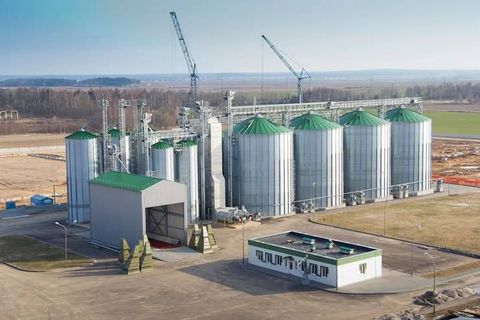
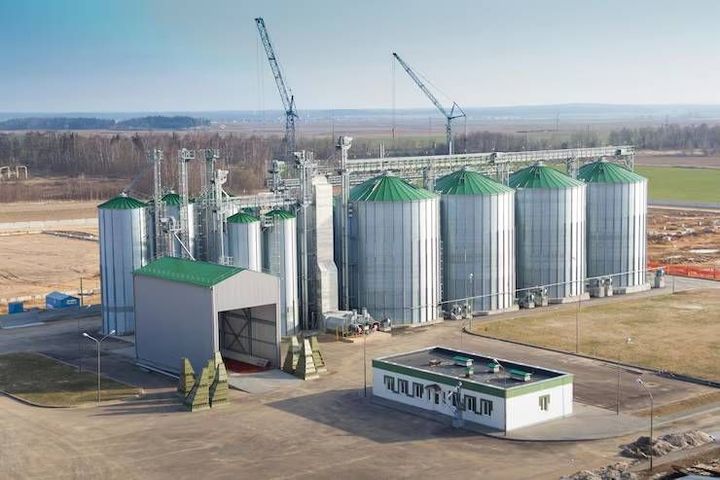
Storage silos for holding processed or unprocessed grain.
Automated monitoring systems for tracking equipment conditions.
Each component performs a specific function. Together, they create a coordinated process that supports agricultural storage, distribution, and manufacturing activities.
How Grain Handling Technology Developed
Early grain handling operations depended on basic lifting equipment, manual transportation, and traditional storage buildings. These methods were suitable for smaller agricultural operations but became difficult to manage as production volumes increased.
Mechanical transportation introduced a major change. Belt conveyors, screw conveyors, and bucket elevators made it possible to move grain through larger facilities with less manual intervention.
Later developments introduced programmable controllers, electronic sensors, automated weighing equipment, and computer-based monitoring. Modern industrial grain handling systems now use these technologies to coordinate several operations within a single facility.
Importance
Industrial grain handling systems play an important role in agricultural supply chains because grain must be transported, processed, and stored under appropriate conditions before reaching food manufacturers and other users.
Poor grain handling can create several challenges, including contamination, moisture accumulation, mechanical damage, material losses, and inconsistent processing conditions. Organized handling systems help facilities manage these issues through controlled transportation, cleaning, drying, and storage processes.
Who Uses Industrial Grain Handling Systems?
Different industries depend on grain handling equipment for their daily operations.
Agricultural producers use grain receiving and storage equipment after harvesting.
Grain storage facilities manage large quantities of agricultural materials.
Food processing companies use cleaning, conveying, and storage systems to prepare raw materials.
Animal feed manufacturers handle corn, wheat, soybean meal, and other ingredients.
Agricultural cooperatives coordinate grain collection and storage activities.
Grain distribution facilities manage transportation between storage locations and processing plants.
These systems also influence consumers because grain handling conditions can affect food quality, availability, and supply chain efficiency.
Major Problems Addressed by Grain Handling Equipment
Industrial grain handling equipment addresses several practical challenges.
Moisture management: Excessive moisture can encourage mould development and grain deterioration. Industrial dryers and moisture monitoring equipment help maintain appropriate storage conditions.
Material contamination: Dust, stones, plant residues, and other unwanted materials can enter grain during harvesting and transportation. Cleaning machines remove many of these impurities.
Transportation difficulties: Moving large grain quantities manually is time-consuming. Mechanical conveyors and elevators support continuous material movement.
Storage management: Poor ventilation and temperature conditions can affect stored grain. Modern silos use monitoring equipment to identify changing storage conditions.
Operational coordination: Multiple machines operating independently can create delays. Automated control systems coordinate different handling stages.
Main Types of Industrial Grain Handling Equipment
The following table explains commonly used equipment and its primary function.
Equipment | Primary function | Common application |
|---|---|---|
Belt conveyor | Moves grain horizontally | Transportation |
Bucket elevator | Lifts grain vertically | Silos and processing plants |
Screw conveyor | Transfers grain through rotating screws | Controlled material movement |
Grain cleaner | Removes unwanted materials | Grain preparation |
Grain dryer | Reduces moisture content | Post-harvest processing |
Storage silo | Holds grain in bulk | Agricultural storage |
Grain weighing system | Measures material quantities | Receiving and dispatch |
Dust collection system | Captures airborne particles | Workplace air management |
The selection of equipment depends on grain characteristics, facility capacity, transportation distance, and processing requirements.
Recent Updates
Industrial grain handling technology is gradually moving towards greater automation, digital monitoring, energy management, and integrated equipment controls. Developments across 2024–2026 reflect the wider adoption of smart manufacturing and precision agriculture technologies.
Automation and Smart Grain Handling Systems
Automated grain handling systems use sensors, programmable logic controllers (PLCs), and electronic control panels to coordinate equipment operations.
For example, a receiving system can use sensors to detect grain levels and control conveyor movement. Automated equipment can also coordinate elevators, gates, and storage transfers according to predefined operating conditions.
Common automation features include:
Automatic conveyor starting and stopping.
Grain level detection inside storage silos.
Automated weighing and material tracking.
Equipment status monitoring.
Alarm notifications for abnormal operating conditions.
These features reduce dependence on manual equipment coordination.
IoT-Based Grain Storage Monitoring
Internet of Things (IoT) technology is becoming increasingly relevant to industrial grain storage. Connected sensors collect information about temperature, humidity, grain levels, and other environmental conditions.
Facility operators can review this information through centralized dashboards. Some systems also provide alerts when monitored conditions move outside configured operating ranges.
IoT-based grain monitoring can help identify developing storage problems before they become more difficult to manage.
Artificial Intelligence and Predictive Maintenance
Artificial intelligence is gradually entering agricultural processing and industrial equipment management.
AI-supported systems can analyze equipment operating information to identify unusual vibration patterns, temperature changes, and performance variations. These findings may help maintenance teams identify components that require inspection.
Predictive maintenance is particularly relevant to conveyors, motors, bearings, elevators, and other continuously operating machinery.
However, the accuracy of these systems depends on sensor quality, historical information, equipment configuration, and monitoring practices.
Energy-Efficient Grain Drying Technology
Grain drying can require considerable energy, particularly in large agricultural storage facilities. Modern drying technology increasingly focuses on controlling airflow, temperature, moisture levels, and heating processes.
Some facilities use heat recovery arrangements and automated drying controls to manage energy consumption. Equipment configuration and grain characteristics influence the overall drying process.
Digital Integration Across Grain Facilities
Modern grain facilities increasingly connect receiving, cleaning, drying, storage, and dispatch operations through centralized management platforms.
Technology | Main application | Operational purpose |
|---|---|---|
PLC automation | Equipment control | Coordinate machinery |
IoT sensors | Storage monitoring | Track environmental conditions |
AI analytics | Equipment analysis | Identify unusual patterns |
SCADA systems | Centralized monitoring | Display operational information |
RFID technology | Material identification | Support tracking activities |
Digital dashboards | Data visualization | Review facility performance |
These technologies support more organized information management across industrial grain handling facilities.
Laws or Policies
Industrial grain handling systems are influenced by agricultural, food safety, environmental, workplace safety, and machinery-related regulations. Requirements differ between countries depending on local legislation and the type of facility.
Because this article covers a global industrial topic, the following areas represent general regulatory considerations rather than the legal requirements of one particular country.
Food Safety and Grain Storage Requirements
Food safety regulations generally establish requirements for handling, storing, transporting, and processing agricultural materials.
Important considerations may include:
Maintaining appropriate grain storage conditions.
Preventing contamination from chemicals and foreign materials.
Controlling pests and storage-related deterioration.
Maintaining cleanliness in processing areas.
Recording relevant handling and storage activities.
Facilities processing grain for human consumption may also need documented hygiene procedures and traceability arrangements.
Workplace and Machinery Safety
Industrial grain handling facilities contain moving machinery, electrical equipment, elevated structures, and enclosed storage areas.
Common safety considerations include:
Installing protective guards around moving components.
Providing emergency shutdown arrangements.
Maintaining safe access to equipment.
Controlling dust accumulation.
Establishing procedures for working inside confined spaces.
Training personnel in equipment operation and emergency response.
Grain dust is an important safety consideration because combustible dust can create fire and explosion hazards under certain conditions.
Environmental and Dust Control Policies
Environmental regulations may address airborne dust, industrial emissions, wastewater, and waste disposal.
Grain handling facilities commonly use dust collectors, enclosed conveyors, filtration equipment, and ventilation arrangements to manage airborne particles.
Local authorities may also establish requirements for equipment emissions, noise levels, and environmental monitoring.
Tools and Resources
Several digital tools and technical resources help industrial operators understand grain handling processes, monitor equipment, and organize facility operations.
Grain Moisture Measurement Tools
Grain moisture meters measure the moisture content of agricultural materials. They help operators assess whether grain requires additional drying before storage or further processing.
Different meters support different grain varieties, so measurement procedures should follow the equipment manufacturer's specifications.
Grain Storage Monitoring Platforms
Digital monitoring platforms collect information from temperature cables, humidity sensors, grain-level detectors, and other monitoring devices.
These platforms help operators review storage conditions across multiple silos from a centralized interface.
Industrial Automation Software
PLC programming environments and supervisory control and data acquisition (SCADA) platforms support equipment control and monitoring.
They can be used to coordinate conveyors, elevators, grain dryers, storage gates, and weighing equipment.
Grain Handling Calculators and Planning Resources
Engineering calculators and planning templates help estimate operational requirements.
Useful resources include:
Grain conveyor capacity calculators for estimating material movement.
Grain storage capacity calculators for evaluating silo requirements.
Moisture conversion calculators for understanding grain moisture changes.
Energy consumption calculators for reviewing drying operations.
Preventive maintenance checklists for organizing equipment inspections.
Facility layout templates for planning grain movement routes.
Technical documentation from agricultural engineering institutions and equipment manufacturers can also provide information about machinery specifications, storage practices, and operational procedures.
FAQs
What Are Industrial Grain Handling Systems?
Industrial grain handling systems are combinations of equipment used to receive, clean, transport, dry, store, and manage agricultural grains. They commonly include conveyors, bucket elevators, grain cleaners, dryers, storage silos, and automated control systems.
How Do Automated Grain Handling Systems Work?
Automated grain handling systems use sensors, controllers, and monitoring software to coordinate machinery. They can regulate conveyor operations, monitor grain levels, measure environmental conditions, and generate alerts when abnormal operating conditions occur.
What Equipment Is Used in Industrial Grain Storage Systems?
Common equipment includes storage silos, grain conveyors, bucket elevators, ventilation systems, temperature sensors, moisture meters, and grain level monitoring devices. The equipment configuration depends on storage capacity and grain characteristics.
How Does IoT Technology Improve Grain Handling?
IoT technology connects sensors and monitoring devices to digital platforms. It helps operators monitor temperature, humidity, grain levels, and equipment conditions, supporting more informed storage and maintenance decisions.
Why Is Grain Moisture Monitoring Important?
Grain moisture monitoring helps determine whether agricultural materials are suitable for storage or require additional drying. Excessive moisture can encourage mould development, deterioration, and storage-related quality problems.
Conclusion
Industrial grain handling systems support modern agricultural operations through organized grain transportation, cleaning, drying, and storage. Mechanical equipment, automated controls, IoT sensors, and digital monitoring platforms are changing how grain facilities manage daily activities. Food safety, machinery protection, environmental management, and storage conditions remain important considerations. Continued technological development is increasing the integration of automation and data monitoring throughout the grain handling industry.