Learn How Material Recovery Systems Improve Waste Processing and Resource Efficiency
Material recovery systems are technologies and organized processes used to separate useful materials from mixed waste. They can identify, sort, clean, and prepare materials such as paper, cardboard, metals, plastics, glass, and other recoverable items for further processing.
Modern waste streams are increasingly complex. Households, commercial buildings, manufacturing facilities, construction activities, and distribution networks generate different combinations of recyclable and non-recyclable materials. Material recovery systems help manage these mixtures through mechanical equipment, optical identification, magnetic separation, air classification, screening, conveyors, and manual quality-control steps.
The concept developed from basic waste sorting practices into more organized recovery operations. Earlier systems often depended heavily on manual separation, while modern material recovery facilities can combine several technologies in a coordinated processing line. Automation has also introduced sensors and software that can identify materials according to properties such as color, shape, density, composition, and reflectivity.
Material recovery systems are therefore an important part of modern waste processing. They connect collection and sorting activities with recycling and resource recovery, creating a structured pathway for materials that might otherwise enter disposal streams.
How material recovery works
A typical material recovery process can include several stages:
- Collection and delivery: Mixed or separately collected waste arrives at a processing facility.
- Initial inspection: Large unwanted objects and potentially hazardous items are removed.
- Screening: Screens separate materials according to size and physical characteristics.
- Magnetic separation: Magnetic equipment extracts ferrous metals from the waste stream.
- Eddy-current separation: Specialized equipment can separate certain non-ferrous metals.
- Optical sorting: Sensors identify particular materials or colors and direct them into separate streams.
- Air classification: Airflow can separate lighter materials from heavier fractions.
- Quality control: Recovered materials are checked for contamination and consistency.
- Baling or preparation: Sorted materials are compacted or prepared for subsequent processing.
The exact configuration depends on the waste stream, available infrastructure, material composition, and recovery objectives.
Importance
Material recovery systems matter because waste contains materials that still have useful physical and economic properties. Recovering these materials can reduce the quantity of mixed waste requiring final disposal and can provide more consistent feedstock for downstream recycling processes.
For communities, the quality of waste separation can influence how efficiently collection and processing systems operate. For commercial and industrial facilities, organized recovery can help separate valuable material streams from general waste and provide clearer information about waste composition.
Problems addressed by recovery systems
Mixed waste creates several challenges. Different materials can become contaminated when they are combined, making later separation more difficult. Food residues, moisture, labels, adhesives, and other substances can also affect the quality of recovered materials.
Material recovery systems address these challenges through controlled separation. Their functions can include:
- Increasing the separation of recyclable materials.
- Reducing contamination between material categories.
- Improving consistency in recovered material streams.
- Reducing the volume of residual waste.
- Supporting more organized recycling operations.
- Providing information about the composition of incoming waste.
- Reducing dependence on manual sorting for repetitive tasks.
Resource efficiency
Resource efficiency means obtaining greater usefulness from available materials while reducing unnecessary waste. Material recovery systems contribute to this objective by keeping materials within productive cycles for longer.
For example, recovered metals can become inputs for metal-processing industries, while separated paper and cardboard can enter fiber-recovery processes. Certain plastics can also be sorted into specific categories for further recycling, although the suitability of a plastic stream depends heavily on polymer type, contamination, and processing requirements.
Glass recovery presents another example. When properly separated, glass can be processed into material suitable for manufacturing applications. The overall result depends on collection quality, sorting accuracy, contamination levels, and the capabilities of downstream facilities.
Who is affected?
Material recovery influences several groups:
- Households: Their waste separation practices affect the quality of incoming materials.
- Businesses: Commercial waste streams can contain significant quantities of packaging and other recoverable materials.
- Manufacturers: Recovered materials can become inputs for some production processes.
- Waste operators: Facilities need suitable equipment and process controls to handle changing waste compositions.
- Local authorities: Waste policies and infrastructure planning influence recovery rates and disposal requirements.
- Environmental planners: Recovery systems form part of broader resource-efficiency and circular-economy strategies.
Recent Updates
From 2024 through 2026, material recovery has continued moving toward greater automation, better material identification, and improved process monitoring. One important trend is the integration of sensors with sorting equipment so that systems can recognize material characteristics more precisely.
Artificial intelligence and machine-learning techniques are also becoming more relevant to automated sorting. Cameras and other sensors can generate large amounts of information, while software can help classify objects according to visual and physical characteristics.
Automation and sensor technology
Modern systems may combine several technologies rather than depending on one separation method. Optical sorting can identify particular materials, magnetic systems can target ferrous metals, and air-based equipment can separate lightweight fractions.
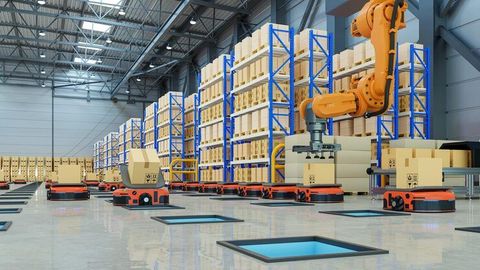
Robotic sorting is another developing area. Robotic systems can use cameras and sensors to identify selected objects and remove them from moving material streams. Their usefulness depends on factors such as conveyor speed, material presentation, object recognition, and contamination.
Data-driven waste processing
Data collection is becoming increasingly important in material recovery facilities. Operators can monitor throughput, material composition, equipment performance, contamination, and recovery results.
A simplified example of facility measurements is shown below:
| Measurement | What It Indicates | Why It Matters |
|---|---|---|
| Throughput | Material processed over a period | Indicates processing capacity |
| Recovery rate | Portion separated for recovery | Shows material capture |
| Contamination | Unwanted material in a recovered stream | Affects downstream usability |
| Residual fraction | Material remaining after sorting | Indicates disposal requirements |
| Equipment downtime | Periods when processing stops | Helps assess operational continuity |
These measurements can support process adjustments and maintenance planning. They also make it easier to compare performance between different operating periods.
Changing material streams
Packaging formats, product designs, and consumer habits continue to change waste composition. Lightweight packaging, multilayer materials, composite products, and new packaging combinations can create additional sorting challenges.
As waste streams change, material recovery systems increasingly need flexible equipment configurations. This can include adjustable screens, improved sensor systems, software updates, and additional separation stages.
Laws or Policies
Material recovery systems operate within broader waste-management frameworks. Rules generally address waste collection, transportation, processing, recycling, disposal, environmental protection, and responsibilities for particular categories of waste.
In India, waste management is influenced by national rules covering areas such as solid waste management and extended producer responsibility. Extended producer responsibility, commonly called EPR, places defined responsibilities on producers, importers, or other obligated entities for managing certain products or packaging after use.
Policy areas affecting recovery
Important policy concepts include:
- Source segregation: Waste may need to be separated into defined categories before collection.
- Extended producer responsibility: Certain producers or obligated entities may have responsibilities connected with post-consumer materials.
- Recycling targets: Regulatory frameworks can establish recovery or recycling obligations for specified waste categories.
- Processing requirements: Waste facilities may need to follow environmental and operational requirements.
- Record keeping: Documentation can be required to demonstrate movement, processing, recovery, or disposal of regulated waste.
- Residual waste management: Material that cannot be recovered must be handled through appropriate disposal or treatment pathways.
Requirements can vary according to waste category and applicable jurisdiction. Facilities therefore need to consider the rules that apply to their specific waste stream, processing activity, and location.
Tools and Resources
Several tools help people understand or evaluate material recovery systems. The appropriate resource depends on whether the user is researching waste composition, facility planning, equipment performance, or regulatory requirements.
Waste composition calculators
Waste composition calculators can estimate the proportions of paper, plastics, metals, glass, organic material, and residual waste in a given stream. These estimates can help explain why certain separation technologies are used.
Recycling databases
Recycling databases provide information about material categories, processing methods, and recycling pathways. They can help readers understand why different materials require different recovery processes.
Facility planning templates
Material-flow diagrams, waste audits, equipment checklists, and process-flow templates can organize information about incoming materials and processing stages. A material-flow diagram is particularly useful because it shows how different waste fractions move through a recovery system.
Regulatory platforms
Government environmental portals and official waste-management publications can provide information about applicable rules, reporting requirements, EPR frameworks, and changes to waste-management policies. These resources should be checked according to the relevant waste category and jurisdiction.
Performance monitoring tools
Facility operators may use production dashboards, sensor data, weighing systems, maintenance records, and contamination reports to monitor material recovery performance. Combining these sources provides a clearer picture than relying on a single measurement.
FAQs
What are material recovery systems?
Material recovery systems are organized technologies and processes that separate useful materials from mixed or collected waste. They can use screens, magnets, optical sensors, air separation, conveyors, and quality-control processes.
How do material recovery systems improve waste processing?
Material recovery systems improve waste processing by separating different material categories and reducing the amount of useful material mixed with residual waste. Automated sorting can also improve consistency in suitable applications.
What materials can a material recovery facility separate?
A material recovery facility may separate paper, cardboard, metals, plastics, glass, and other defined material categories. The actual materials recovered depend on the incoming waste stream and the equipment installed at the facility.
Why is resource efficiency important in waste management?
Resource efficiency helps retain useful materials within productive cycles and reduces unnecessary disposal. Material recovery supports this approach by separating materials that may have further processing or recycling pathways.
How does automation affect material recovery systems?
Automation can use optical sensors, cameras, software, magnetic equipment, air separation, and robotic systems to identify and separate materials. Its effectiveness depends on the waste composition, equipment configuration, contamination, and operating conditions.
Conclusion
Material recovery systems provide a structured approach to separating useful materials from mixed waste and preparing them for further processing. Modern systems increasingly combine mechanical separation, sensors, automation, and data monitoring to handle changing waste streams. Their role is closely connected with resource efficiency, recycling infrastructure, waste policies, and responsible residual-waste management. Understanding these systems helps explain how modern waste processing can recover materials while managing increasingly complex waste streams.