Learn How Laser Cutting Machines Improve Manufacturing Accuracy and Production Efficiency
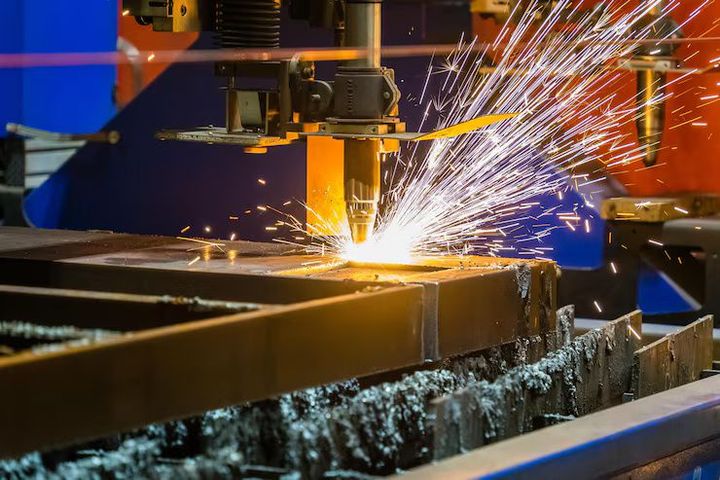
Laser cutting machines are computer-controlled systems that use a concentrated beam of light to cut, shape, or engrave materials. They are widely used in manufacturing because they can produce detailed shapes with controlled movement and repeatable results. Common materials include steel, stainless steel, aluminum, copper, plastics, wood, and selected composite materials, depending on the machine and laser type.
The development of laser cutting technology brought together advances in optics, computer numerical control, motion systems, and industrial automation. Earlier cutting processes often depended more heavily on mechanical contact between a tool and the material. Laser cutting introduced a different approach in which focused energy performs the cutting action without requiring a conventional cutting blade.
Modern laser cutting machines are generally connected to digital design and production systems. A two-dimensional drawing can be converted into machine instructions that control movement, cutting paths, power levels, and other operating parameters. This connection between digital design and physical production helps manufacturers maintain dimensional accuracy across repeated parts.
Laser cutting technology is also associated with several machine categories. Fiber laser systems are widely used for metal processing, while CO₂ lasers remain relevant for certain nonmetallic materials and specific industrial applications. The appropriate configuration depends on material type, thickness, required precision, production volume, and process requirements.
Importance
Why manufacturing accuracy matters
Manufacturing accuracy refers to how closely a produced component matches its intended dimensions and design. Small dimensional differences can affect how individual components fit together, particularly in products containing many interconnected parts.
Laser cutting machines can support accuracy through computer-controlled motion and carefully focused laser beams. Instead of manually guiding a cutting tool along every shape, programmed instructions can control the cutting path. This reduces some sources of variation associated with manual operations.
Accuracy is particularly important when producing:
- Sheet metal panels
- Machine components
- Electrical enclosures
- Automotive parts
- Structural components
- Decorative metal shapes
- Industrial brackets
- Precision assemblies
The actual accuracy achieved depends on machine condition, material characteristics, programming, calibration, cutting parameters, and operator practices. A laser system does not automatically eliminate every source of manufacturing variation.
How production efficiency is improved
Production efficiency involves using materials, equipment, energy, and working time in an organized way. Laser cutting machines can contribute by combining several stages of conventional fabrication into a digitally controlled cutting process.
A production workflow may begin with a computer-aided design file. Software can then arrange multiple components on a sheet to reduce unused areas, generate cutting paths, and transfer instructions to the machine. After setup, the equipment can process repeated shapes with limited manual intervention.
This workflow can reduce unnecessary handling between design and cutting stages. It can also make it easier to reproduce previously programmed component designs when consistent specifications are required.
Accuracy and efficiency factors
| Factor | Effect on Manufacturing |
|---|---|
| Beam focus | Influences the concentration of cutting energy |
| Motion control | Affects positioning and path accuracy |
| Material thickness | Influences cutting parameters and processing speed |
| Machine calibration | Helps maintain dimensional consistency |
| Cutting speed | Influences edge quality and processing time |
| Nesting software | Helps arrange parts efficiently on sheets |
| Automated material handling | Can reduce manual movement between stages |
| Maintenance | Helps equipment operate within intended specifications |
Material utilization
Material utilization is another important consideration. Poorly arranged cutting patterns can leave substantial unused material around finished components. Digital nesting software can arrange multiple shapes within a sheet according to defined production requirements.
Efficient nesting does not mean that every sheet will have the same utilization rate. Part geometry, required spacing, material dimensions, cutting paths, and production priorities all affect the final arrangement.
Recent Updates
Automation and connected production
Recent developments in laser cutting machines have focused heavily on automation, digital connectivity, and process monitoring. Manufacturers increasingly integrate cutting equipment with software platforms that manage design files, production instructions, machine status, and workflow information.
Automated loading and unloading systems are also becoming more common in industrial environments. These systems can move sheets or finished components between different stages while reducing repeated manual handling.
Fiber laser development
Fiber laser technology has continued to expand in metal processing because of its ability to work with many commonly used sheet metals. Improvements in laser sources, cutting heads, motion control, and software have supported more flexible processing across different material thicknesses.
Machine capabilities vary considerably, so specifications such as maximum material thickness, beam quality, cutting speed, and supported materials should be evaluated according to the intended application.
Artificial intelligence and process monitoring
Another developing area is the use of data analysis and machine learning techniques for process monitoring. Sensors can collect information about factors such as temperature, cutting conditions, machine movement, and equipment status.
Software can use this information to identify unusual operating conditions or support process adjustments. These systems are still dependent on accurate sensors, suitable data, machine configuration, and appropriate human oversight.
Energy and resource considerations
Manufacturers are also paying greater attention to energy consumption and material efficiency. Modern equipment may include more efficient laser sources, automated power management, and software intended to improve material utilization.
Environmental performance depends on the complete production system rather than the cutting machine alone. Electricity consumption, material selection, gas usage, extraction systems, maintenance practices, and recycling processes can all influence overall resource use.
Laws or Policies
Workplace safety requirements
Laser cutting machines are subject to workplace safety requirements in many jurisdictions. Rules can address laser radiation, electrical systems, moving machinery, fire risks, fumes, ventilation, noise, and protective equipment.
Industrial laser systems are commonly classified according to their potential hazards. Enclosed cutting systems can reduce direct exposure to the laser beam, while open or specialized systems may require additional controls.
Material and equipment compliance
Manufacturers and operators may also need to consider rules covering electrical equipment, machinery safety, electromagnetic compatibility, fire prevention, and workplace ventilation. The exact requirements depend on the country, industry, machine configuration, and operating environment.
Organizations using laser cutting machines generally need documented operating procedures, appropriate training, equipment inspections, and risk assessments where required by applicable rules.
Environmental considerations
Cutting processes can generate smoke, fumes, particulates, and other airborne contaminants depending on the material being processed. Appropriate extraction and filtration systems can help manage these emissions.
Certain materials may also require additional controls because their cutting products can create hazardous airborne substances. Material safety information and applicable workplace requirements should therefore be considered before processing unfamiliar materials.
Tools and Resources
Design and programming software
Computer-aided design software is commonly used to create component drawings. Computer-aided manufacturing software can then translate designs into machine instructions and cutting paths.
Important functions can include:
- Geometry creation
- Toolpath generation
- Material nesting
- Cutting sequence planning
- Parameter management
- Production file organization
The exact software environment depends on the machine manufacturer and production workflow.
Measurement equipment
Precision measurement tools help verify finished components. Common examples include digital calipers, micrometers, height gauges, coordinate measuring systems, and optical measurement equipment.
Measurement results can be compared with engineering drawings or defined tolerances. This provides a practical method for checking whether production output remains within specified dimensional limits.
Maintenance and monitoring tools
Laser cutting machines contain optical, mechanical, electrical, and cooling components that require appropriate monitoring. Maintenance records can help track inspections, cleaning, calibration, consumable replacement, and equipment conditions.
Machine monitoring platforms can also provide information about operating hours, production cycles, alarms, and equipment status. These tools can support production planning and maintenance management.
FAQs
What are laser cutting machines used for?
Laser cutting machines are used to cut and process materials into programmed shapes. Applications include sheet metal fabrication, machine components, electrical enclosures, architectural elements, automotive parts, and various industrial products.
How do laser cutting machines improve manufacturing accuracy?
Laser cutting machines use computer-controlled movement and a focused laser beam to follow programmed cutting paths. Consistent programming and appropriate machine calibration can help produce repeatable dimensions, although material properties and operating conditions also affect accuracy.
What is the difference between fiber and CO₂ laser cutting machines?
Fiber laser systems commonly process metals and are widely used for sheet metal applications. CO₂ laser systems can process certain metals and are also suitable for various nonmetallic materials. The appropriate technology depends on material type, thickness, machine configuration, and production requirements.
Can laser cutting machines improve production efficiency?
They can improve efficiency by combining digital design, automated motion, material nesting, and repeatable cutting into a connected workflow. Actual productivity depends on machine capacity, material handling, programming, setup, maintenance, and production requirements.
What safety measures are important when using laser cutting machines?
Important measures can include machine guarding, appropriate ventilation, extraction systems, electrical safety controls, fire prevention, operator training, and procedures for handling processed materials. Requirements vary according to equipment configuration and applicable regulations.
Conclusion
Laser cutting machines connect digital design with controlled material processing, helping manufacturers produce repeatable shapes with precise programmed movements. Their role in production efficiency extends beyond cutting speed to include material nesting, automation, workflow integration, and process monitoring. Recent developments have emphasized fiber laser technology, connected equipment, automated handling, and data-based process control. Safe operation, proper maintenance, accurate measurement, and compliance with applicable requirements remain important parts of effective laser cutting operations.