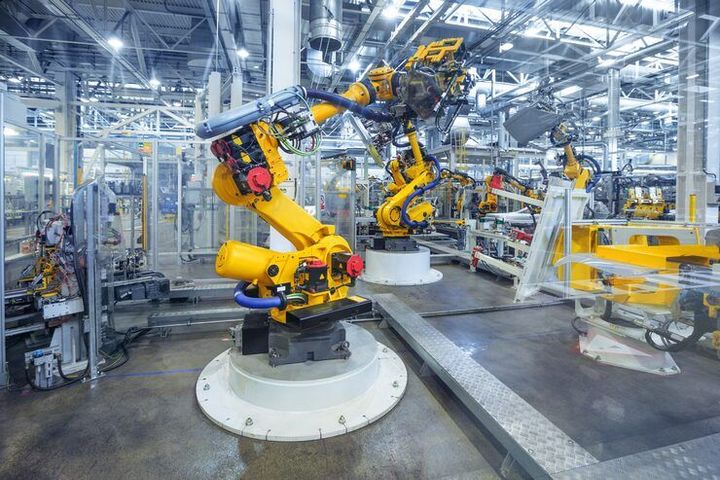
Learn How Automotive Electronics Assembly Lines Improve Production Efficiency
Automotive electronics assembly lines are production systems designed to build electronic components used in modern vehicles. These lines combine circuit-board assembly, component placement, soldering, inspection, testing, programming, and final assembly into organized production stages.
As vehicles increasingly depend on electronic control units, sensors, cameras, displays, connectivity modules, battery-management electronics, and driver-assistance systems, automotive electronics assembly has become an important part of vehicle manufacturing.
The purpose of an automotive electronics assembly line is not simply to produce more units. It is designed to create a controlled and repeatable manufacturing process where components move through defined stages with consistent handling and inspection. Automation, machine vision, data collection, robotics, and electronic testing can help manufacturers identify production issues earlier and maintain consistent process conditions.
Context
What Automotive Electronics Assembly Lines Do
An automotive electronics assembly line is a sequence of connected production stages used to manufacture electronic assemblies for vehicles. Depending on the product, the line may handle printed circuit boards, electronic control modules, sensor assemblies, power electronics, lighting electronics, infotainment components, or other vehicle electronics.
A typical automotive electronics assembly process can include:
- Printed circuit board preparation
- Solder paste application
- Surface-mount component placement
- Reflow soldering
- Automated optical inspection
- Component testing
- Software or firmware programming
- Functional testing
- Mechanical assembly
- Final quality inspection
Each stage has a defined purpose. For example, a pick-and-place machine positions electronic components onto circuit boards, while a reflow oven heats the board according to a controlled temperature profile to create solder connections.
From Manual Production to Connected Manufacturing
Earlier electronic assembly processes depended more heavily on manual handling and individual inspection stations. Modern automotive electronics assembly lines increasingly connect equipment so that production information can move between machines and manufacturing systems.
This approach can create a more coordinated production environment. Instead of treating every machine as an isolated unit, manufacturers can use manufacturing execution systems, sensors, machine controllers, and inspection equipment to monitor production conditions across multiple stages.
Why Automotive Electronics Require Controlled Assembly
Automotive electronics may operate in environments involving temperature changes, vibration, moisture, electrical variation, and long operating periods. A manufacturing defect in an electronic assembly can therefore affect the performance of the larger vehicle system.
For this reason, automotive electronics manufacturing places significant attention on process control, traceability, inspection, electrical testing, and component handling. The exact requirements vary according to the type of electronic assembly and the vehicle system in which it will be used.
Importance
Improving Production Efficiency
Production efficiency involves using manufacturing resources effectively while maintaining required quality and process consistency. Automotive electronics assembly lines can improve efficiency by coordinating machines and reducing unnecessary movement between production stages.
Automation can also perform repetitive activities at consistent speeds. This is particularly useful for high-volume electronics production, where small variations in placement, soldering, inspection, or testing can accumulate across large production quantities.
Reducing Production Bottlenecks
A bottleneck occurs when one production stage cannot process material as quickly as the stages before or after it. For example, if circuit boards can be assembled faster than they can be tested, the testing stage may create a queue.
Production monitoring systems can help identify where delays occur. Manufacturers can then examine equipment capacity, cycle times, changeover procedures, material flow, and staffing arrangements to understand the source of the bottleneck.
Supporting Quality Control
Automotive electronics assembly lines commonly use several inspection methods rather than depending on one final inspection. Automated optical inspection can examine circuit boards for certain visible defects, while electrical and functional testing can examine whether an assembly operates according to defined specifications.
This layered approach can help separate different types of manufacturing problems. A visible soldering issue, for example, requires a different investigation from an electrical performance problem.
Supporting Traceability
Traceability means maintaining information about a component or assembly as it moves through production. Depending on the manufacturing system, records may include component identification, production station information, test results, process parameters, and inspection outcomes.
Traceability can help manufacturers investigate production issues and identify affected batches or assemblies. It can also support documentation requirements for regulated automotive production environments.
Efficiency Areas in Automotive Electronics Assembly
| Production Area | Typical Technology | Efficiency Contribution |
|---|---|---|
| Component placement | Pick-and-place equipment | Consistent automated placement |
| Soldering | Reflow ovens | Controlled soldering process |
| Visual inspection | Machine vision | Automated defect detection |
| Electrical testing | Test systems | Functional verification |
| Material movement | Conveyors and robotics | Organized production flow |
| Production monitoring | Manufacturing software | Process visibility |
| Traceability | Identification and data systems | Production history |
| Programming | Automated programming stations | Repeatable electronic configuration |
Recent Updates
Greater Use of Smart Manufacturing
From 2024 through 2026, automotive manufacturing has continued moving toward connected production environments. Electronics assembly lines increasingly combine automation with production data, machine monitoring, digital traceability, and software-based analysis.
This trend is particularly relevant as vehicles contain more electronic systems. Electric vehicles, connected vehicles, advanced driver-assistance systems, and software-defined vehicle architectures require different combinations of electronic hardware and software than many conventional vehicle platforms.
Expansion of Automated Inspection
Machine vision and automated inspection technologies continue to become more important in electronics manufacturing. Modern inspection systems can examine component placement, solder joints, board markings, and other visible characteristics at production speed.
Automated optical inspection does not eliminate the need for engineering review or other testing methods. Instead, it is one part of a broader inspection strategy.
Increased Electronics Complexity
Vehicle electronics are becoming more interconnected. A modern vehicle can contain numerous electronic control units, sensors, communication networks, displays, cameras, power-management systems, and other electronic assemblies.
This creates additional manufacturing requirements. Assembly lines need to accommodate different board designs, component configurations, programming requirements, and testing procedures while maintaining production control.
Data-Based Process Monitoring
Another current trend is the use of production data to identify unusual process conditions. Equipment can generate information about temperature, placement accuracy, cycle time, machine status, inspection results, and other manufacturing variables.
Analyzing these signals can help production teams investigate recurring process deviations. The value of such systems depends on the quality of the collected data and how effectively it is integrated into production processes.
Laws or Policies
Automotive Electronics Manufacturing Rules
Automotive electronics assembly is influenced by different technical, environmental, safety, and quality requirements depending on where products are manufactured and where vehicles are placed on the market. There is no single worldwide rule covering every automotive electronic assembly.
Manufacturers commonly work with recognized automotive quality-management frameworks and technical standards covering areas such as production quality, electronic component reliability, functional safety, and cybersecurity.
Functional Safety Requirements
Electronic systems involved in vehicle safety may be developed under functional-safety frameworks. These frameworks address risks associated with malfunctioning electronic and electrical systems and provide processes for identifying hazards, assessing risks, and controlling safety-related development activities.
Cybersecurity and Software Updates
Connected vehicles have also increased attention on vehicle cybersecurity. Regulatory frameworks in some markets address cybersecurity management and software-update processes for road vehicles.
These requirements can influence manufacturing because electronic assemblies may need appropriate identification, configuration, software handling, documentation, and verification processes.
Environmental Requirements
Automotive electronics manufacturing is also affected by environmental rules concerning restricted substances, electronic waste, energy use, and material management. Requirements vary by jurisdiction and product category.
Manufacturers therefore need to identify the applicable rules for each market rather than assuming that one regulatory approach applies everywhere.
Tools and Resources
Manufacturing Execution Systems
Manufacturing execution systems can connect production activities with operational information. They may record production orders, equipment status, inspection results, material movement, and traceability information.
Automated Optical Inspection
Automated optical inspection equipment uses cameras and image-processing techniques to examine electronic assemblies. It is commonly positioned after component placement or soldering stages.
Selective Soldering and Reflow Equipment
Reflow equipment is widely used for surface-mount electronics, while selective soldering can be used for particular through-hole components. Process selection depends on board design and component requirements.
Electrical and Functional Test Systems
Electrical test equipment can verify selected characteristics of a circuit board or electronic module. Functional test systems can go further by checking whether the completed assembly performs defined operations.
Digital Production Dashboards
Production dashboards can display information such as equipment availability, production quantities, inspection results, cycle times, and process interruptions. These tools can help teams understand manufacturing conditions without manually collecting information from every station.
FAQs
What is an automotive electronics assembly line?
An automotive electronics assembly line is a connected production system used to manufacture and test electronic assemblies for vehicles. It can include component placement, soldering, inspection, programming, testing, and final assembly.
How does automotive electronics assembly improve production efficiency?
Automotive electronics assembly can improve efficiency through automated material movement, repeatable component placement, integrated inspection, organized testing, and production data collection. These technologies help coordinate multiple manufacturing stages.
What machines are used in an automotive electronics assembly line?
Common equipment includes solder paste printers, pick-and-place machines, reflow ovens, automated optical inspection systems, conveyors, robotic handling equipment, programming stations, and electrical testing equipment.
Why is inspection important in automotive electronics manufacturing?
Inspection helps identify certain manufacturing defects before an electronic assembly moves further through production. Different inspection and testing methods can examine physical appearance, component placement, soldering, electrical behavior, and functional performance.
How is automation changing automotive electronics assembly?
Automation is increasingly connecting production equipment, inspection systems, material handling, testing, and manufacturing data. This can create more consistent workflows while providing additional information about production conditions.
Conclusion
Automotive electronics assembly lines combine electronic manufacturing equipment, inspection systems, testing technologies, automation, and production software into coordinated workflows. Their role has become increasingly important as vehicles incorporate more electronic control, communication, sensing, and power-management functions. Current manufacturing trends emphasize connected equipment, automated inspection, traceability, data-based monitoring, and flexible production. Regulatory and technical requirements also influence how automotive electronic assemblies are designed, produced, tested, documented, and managed.