Learn About Chemical Storage Tanks, Materials, Types, and Safety Features
Chemical storage tanks are containers designed to hold chemical substances safely before they are used, processed, transported, or transferred. They are found in manufacturing facilities, water treatment operations, agricultural processing, laboratories, energy facilities, food production, and many other industrial environments.
The history of chemical storage is connected with the development of modern industrial processing. As chemical manufacturing expanded, industries needed larger and more controlled storage systems than simple barrels, drums, and small containers. This created demand for specialized tanks made from materials that could tolerate particular chemical properties, temperatures, pressures, and operating conditions.
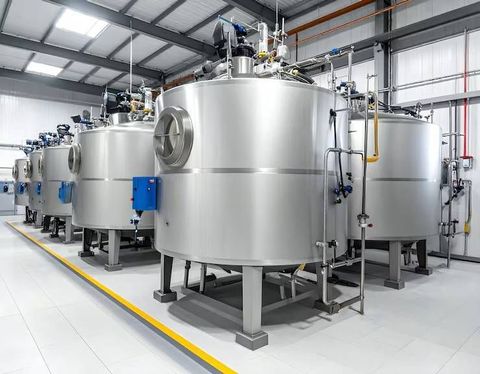
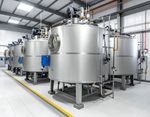
Modern chemical storage tanks are available in many configurations. Common choices include plastic tanks, stainless steel tanks, carbon steel tanks, fiberglass-reinforced plastic tanks, and tanks with specialized internal linings. The appropriate design depends on the chemical being stored and the environment surrounding the tank.
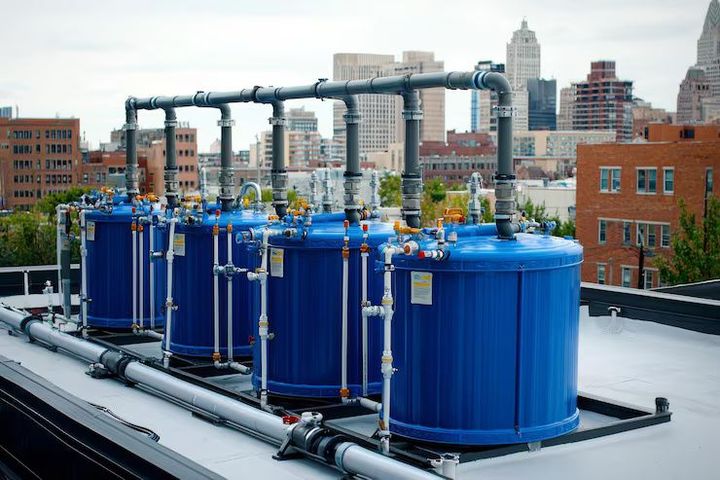
Chemical storage tanks can be installed above ground, below ground, indoors, or outdoors. Some are designed for atmospheric storage, while others are engineered for pressure or vacuum conditions. Tank size can range from relatively small containers to large industrial vessels holding thousands of liters or more.
Understanding chemical storage tanks involves more than looking at their capacity. Material compatibility, tank construction, temperature control, ventilation, secondary containment, inspection access, and safety equipment can all influence how a storage system operates.
Importance
Chemical storage matters because many substances can create hazards if they escape from their containers or are stored under unsuitable conditions. Depending on the material, a leak can result in environmental contamination, corrosion, fire hazards, harmful exposure, or damage to nearby equipment.
Chemical storage tanks affect a wide range of people. Workers may interact with tanks during filling, inspection, transfer, cleaning, and maintenance activities. Facility managers must consider storage capacity and equipment condition, while environmental teams may focus on containment and preventing releases.
Problems addressed by proper storage
A properly designed storage system helps control several common challenges:
- Leakage caused by corrosion, cracks, damaged fittings, or deteriorated seals
- Chemical reactions caused by incompatible materials
- Overfilling during tank filling operations
- Pressure changes caused by temperature or chemical activity
- Contamination caused by unsuitable tank materials
- Exposure risks during transfer and inspection activities
- Environmental releases caused by inadequate containment
Tank material is particularly important. A chemical that is harmless to one material may gradually weaken another. For example, certain chemicals can attack metals through corrosion, while others may affect plastics, elastomers, coatings, or fiberglass components.
Chemical storage tank materials
The selection of chemical storage tank materials normally begins with chemical compatibility. Important factors include the chemical concentration, operating temperature, exposure time, pressure, and expected mechanical loads.
| Tank Material | Common Characteristics | Typical Considerations |
|---|---|---|
| Polyethylene | Lightweight and corrosion resistant | Suitable chemical compatibility must be confirmed |
| Polypropylene | Good resistance to various chemicals | Temperature limits require evaluation |
| Stainless steel | Strong and durable | Chemical compatibility varies by grade |
| Carbon steel | High structural strength | Corrosion protection may be necessary |
| Fiberglass reinforced plastic | Corrosion resistance with structural strength | Resin compatibility is important |
| Lined steel | Combines structural strength with an internal barrier | Lining condition requires inspection |
These materials are not interchangeable. The chemical, concentration, temperature, pressure, and tank configuration should be considered together when selecting a suitable construction material.
Types of chemical storage tanks
Chemical storage tanks can be classified according to their shape, installation method, construction material, and operating conditions. Atmospheric tanks are commonly used for liquids that do not require pressurized storage. Pressure tanks are designed for specific pressure conditions and require more specialized engineering.
Vertical tanks are common where available space allows the tank to extend upward. Horizontal tanks can be useful where a lower profile is preferred. Double-wall tanks contain an inner tank and an outer barrier, creating additional containment around the primary storage vessel.
Other configurations include:
- Fixed roof tanks
- Cone-bottom tanks
- Flat-bottom tanks
- Underground storage tanks
- Portable storage tanks
- Jacketed tanks for temperature control
- Mixing and storage tanks
- Specialty tanks with internal linings
The configuration depends on the chemical properties and the processes connected to the tank.
Recent Updates
From 2024 through 2026, chemical storage has continued moving toward improved monitoring, containment, inspection, and automation. Facilities increasingly use electronic sensors to track liquid levels, temperature, pressure, and other operating conditions.
Digital monitoring can help operators identify unusual changes earlier. Depending on the system, sensors may provide information to a control panel or industrial monitoring platform. Remote data access is also becoming more common in facilities where multiple storage areas need to be observed.
Smart monitoring technologies
Modern chemical storage systems can incorporate level sensors, leak detection devices, pressure sensors, temperature sensors, and automated alarms. These technologies can reduce reliance on manual observation for certain routine measurements, although physical inspection remains important.
Automated filling controls are another area of development. Systems can use level measurements to control pumps or valves and reduce the possibility of filling beyond the intended level.
Improved containment design
Secondary containment continues to receive attention because it provides an additional barrier around primary storage equipment. Containment areas may include bunds, spill pallets, containment basins, or specially designed floors.
Tank manufacturers and facility engineers are also paying greater attention to material compatibility and lifecycle inspection. This includes examining tank walls, fittings, connections, valves, coatings, and supporting structures.
Energy and environmental considerations
Environmental management has become increasingly connected with chemical storage design. Facilities are examining ways to reduce accidental releases, manage waste streams, and monitor storage conditions more efficiently.
Some newer systems integrate tank monitoring with broader industrial control platforms. This can provide centralized information about inventory levels, equipment status, and alarm conditions.
Laws or Policies
Chemical storage is influenced by workplace safety, environmental protection, fire prevention, transportation, building, and hazardous-material regulations. The exact requirements vary according to the country, region, chemical classification, tank capacity, installation location, and industry.
Many regulatory systems require facilities to identify hazardous substances and maintain appropriate storage controls. Rules may address labeling, containment, ventilation, emergency planning, inspection, worker protection, and procedures for handling spills.
Workplace safety requirements
Workplace regulations commonly focus on reducing exposure and preventing incidents. Facilities may need appropriate hazard communication procedures, chemical identification, personal protective equipment, emergency arrangements, and documented operating procedures.
Storage areas may also require controlled access, appropriate warning signs, ventilation, and separation between incompatible materials.
Environmental requirements
Environmental regulations can address accidental releases and contamination of soil, water, and surrounding areas. Secondary containment can be an important part of environmental protection for tanks containing hazardous liquids.
Facilities may also have requirements for reporting certain releases, maintaining inspection records, preparing emergency plans, and demonstrating that storage equipment is appropriately maintained.
Fire and building considerations
Some chemicals present fire or combustion hazards. Storage arrangements can therefore be influenced by fire codes, electrical requirements, ventilation rules, separation distances, and emergency access provisions.
Because regulations differ between jurisdictions, the applicable authority and current local requirements should be checked before designing or modifying a chemical storage installation. General information cannot replace site-specific regulatory or engineering evaluation.
Tools and Resources
Several tools and resources can help people understand and manage chemical storage tanks. Chemical compatibility charts can provide an initial comparison between a chemical and potential tank materials, although detailed compatibility information should be verified for the actual operating conditions.
Tank capacity calculators are useful for estimating volume based on tank dimensions. Common measurements include diameter, length, height, and liquid level. Level monitoring systems can then provide ongoing information about the amount of material inside a tank.
Useful resources include
- Chemical compatibility databases for material selection
- Tank volume calculators for capacity estimation
- Safety Data Sheets for chemical handling information
- Inspection checklists for tanks, valves, fittings, and containment
- Leak detection systems for identifying unexpected releases
- Level sensors for monitoring tank contents
- Pressure and temperature monitoring equipment
- Digital maintenance records for tracking inspections
- Regulatory guidance documents for applicable storage requirements
- Emergency planning templates for chemical storage areas
Safety Data Sheets are particularly useful because they provide information about chemical hazards, handling, storage conditions, incompatibilities, and emergency measures. They should be reviewed alongside the requirements that apply to the specific facility.
FAQs
What are chemical storage tanks used for?
Chemical storage tanks are used to contain liquids and other chemical materials before processing, transfer, use, or distribution. Their design depends on chemical properties, capacity, temperature, pressure, and installation conditions.
Which materials are used for chemical storage tanks?
Common chemical storage tank materials include polyethylene, polypropylene, stainless steel, carbon steel, and fiberglass-reinforced plastic. Material selection depends on chemical compatibility, temperature, pressure, structural requirements, and operating conditions.
What are the main types of chemical storage tanks?
Common types include vertical tanks, horizontal tanks, atmospheric tanks, pressure tanks, double-wall tanks, underground tanks, portable tanks, and tanks with specialized linings. Each configuration has different design characteristics.
What safety features do chemical storage tanks have?
Chemical storage tanks may include level indicators, overflow protection, leak detection, pressure controls, temperature sensors, ventilation, emergency shutoff equipment, and secondary containment. The required features depend on the chemical and storage conditions.
Why is chemical compatibility important for storage tanks?
Chemical compatibility helps prevent deterioration of the tank material and associated components. An unsuitable material can weaken, crack, corrode, or otherwise deteriorate when exposed to certain chemicals, temperatures, or concentrations.
Conclusion
Chemical storage tanks provide controlled containment for chemical materials across many industrial and commercial environments. Their performance depends on appropriate materials, tank configuration, capacity, operating conditions, monitoring, and containment measures. Recent developments increasingly combine conventional tank construction with digital sensors, automated controls, and improved monitoring systems. Applicable safety, environmental, fire, and building requirements also play an important role in how chemical storage systems are designed and maintained.