Laser Hair Removal Guide: How It Works, Treatment Methods, Results and Maintenance
Laser hair removal is a light-based method used to reduce unwanted hair growth on areas such as the face, arms, legs, underarms, back, and bikini area. A laser produces concentrated light that is absorbed by pigment in the hair and converted into heat, which can affect the hair follicle. This guide explains how laser hair removal works, common treatment methods, expected results, maintenance, safety considerations, and current developments.
What Is Laser Hair Removal?
Laser hair removal is a cosmetic procedure that uses focused light energy to target hair follicles. The principle is based on selective heating: pigment in the hair absorbs the light, and the resulting heat can damage the follicle enough to reduce future hair growth.
Laser systems work with specific wavelengths and settings. The appropriate approach can depend on factors such as hair color, hair thickness, skin tone, treatment area, and the characteristics of the device. Because these factors differ between individuals, treatment parameters are generally adjusted for each person.
Laser hair removal developed from broader medical uses of lasers. Medical lasers are designed to deliver concentrated light to specific areas, and hair reduction became one of the applications of this technology. The U.S. Food and Drug Administration describes medical lasers as devices that use focused light sources for procedures including hair removal.
How the Process Works
Hair grows through different phases. Laser treatment mainly affects hairs that are in an active growth phase because the follicle contains enough pigment and structure for the light energy to interact with it.
A typical process involves:
- Skin assessment to understand skin tone, hair characteristics, and the treatment area.
- Preparation of the area according to the device and treatment protocol.
- Delivery of controlled light pulses to selected areas.
- Heat reaching the targeted hair follicle.
- Gradual shedding of treated hairs.
- Follow-up sessions to address additional hairs as they enter suitable growth phases.
Because hairs are not all growing at the same time, one session generally does not affect every follicle equally.
Common Laser Technologies
Different laser technologies use different wavelengths and operating characteristics. Common systems include diode, alexandrite, and Nd lasers. Their interaction with skin and hair can vary, so the choice of technology is normally based on individual characteristics and the equipment available.
Laser type, wavelength, pulse duration, energy level, cooling method, and treatment technique can all influence how a session is performed. The device classification and intended use should also be considered when evaluating laser equipment.
Importance
Why People Consider Laser Hair Removal
Unwanted hair can require repeated shaving, trimming, waxing, or other forms of hair management. Some people experience irritation, razor bumps, ingrown hairs, or frequent regrowth after temporary hair-removal methods.
Laser hair removal addresses the problem differently by targeting the follicle rather than simply cutting or pulling hair from the skin surface. The objective is generally long-term reduction in hair growth rather than immediate removal of every hair.
Factors That Affect Results
Results can vary considerably. Hair containing more pigment generally provides a stronger target for many laser systems, while very light, gray, or white hair may respond differently because of its lower pigment content.
Skin tone is also important because the laser interacts with pigment in both the hair and surrounding skin. Modern systems and treatment approaches are designed for a range of skin types, but settings must be selected carefully to limit unwanted heating of the skin.
Other factors include:
- Hair thickness and density
- Body area being treated
- Hormonal influences
- Hair-growth cycle
- Device wavelength
- Treatment settings
- Individual skin response
- Consistency of follow-up sessions
Potential Side Effects
Temporary redness, warmth, swelling around hair follicles, or mild discomfort can occur after treatment. These effects commonly settle as the skin recovers, although the response differs among individuals.
More significant reactions can occur when energy settings are inappropriate or when the skin has particular sensitivities. Possible complications include blistering, pigment changes, burns, or scarring. The FDA notes that laser exposure carries risks that need to be managed according to the laser's class and intended use.
Recent Updates
Development of Laser and Light-Based Devices
Recent years have seen continued development of both professional laser systems and home-use light-based hair-removal devices. Regulatory records from 2024 through 2026 show multiple device submissions involving diode laser hair-removal systems and over-the-counter light-based hair-removal devices.
For example, FDA records show a diode laser hair-removal system received a 510(k) clearance decision in 2024, while additional diode systems received decisions during 2025 and 2026.
Home-use devices have also remained an active category. FDA records classify light-based over-the-counter hair-removal devices under a specific medical-device category, with recent submissions involving IPL systems and cooling features.
Greater Attention to Skin-Type Considerations
Current treatment discussions place continued emphasis on selecting appropriate wavelengths and settings for different skin tones. This is important because the same light energy can interact differently with hair pigment and skin pigment.
The trend is therefore toward more individualized treatment parameters rather than assuming that one device setting is appropriate for everyone. Device instructions, operator training, skin assessment, and appropriate protective measures remain important parts of laser use.
Cooling and Treatment Comfort
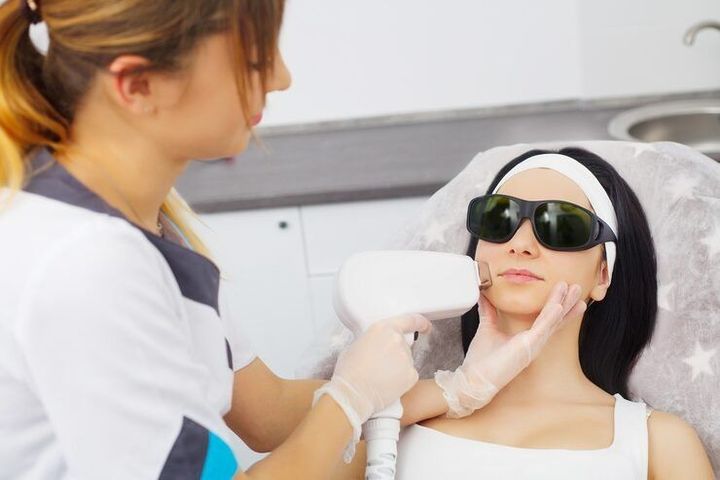
Modern systems may incorporate contact cooling, chilled surfaces, or other cooling approaches intended to protect the outer skin and improve treatment comfort. Cooling does not eliminate the need for appropriate energy settings or eye protection, because the underlying procedure still uses concentrated optical energy.
Laws or Policies
India: Clinical Establishment Rules
In India, regulation can depend on the state or Union Territory where a clinic operates. The Clinical Establishments (Registration and Regulation) Act, 2010 provides a framework for registration and regulation of clinical establishments, but the Act applies only in states and Union Territories that have adopted it. The Ministry of Health and Family Welfare maintains information on participating jurisdictions and their applicable rules.
The Ministry explains that health is primarily a state subject and that individual states can adopt the central Clinical Establishments framework or operate under their own legislation. This means requirements for a clinic providing cosmetic or dermatological procedures should be checked against the rules applicable in its particular state.
Device and Safety Considerations
Laser equipment is subject to technical and safety requirements that can vary according to the device, intended use, and regulatory framework. In other jurisdictions, such as the United States, medical laser products are regulated as medical devices, and specific hair-removal devices can fall under defined regulatory classifications.
For readers in India, the relevant state health authority, applicable clinical-establishment rules, and device documentation should be checked for the particular setting. Rules can change, and requirements for professional qualifications, premises, equipment, records, and safety procedures may differ by jurisdiction.
Tools and Resources
Treatment Planning Resources
Several types of resources can help readers understand laser hair removal before or during treatment. Manufacturer instructions can provide information about the intended use, compatible skin or hair characteristics, operating precautions, and device limitations.
Dermatology references and government health websites can also provide general information about laser safety and cosmetic procedures. The FDA's medical-laser resources explain laser classifications, risks, regulatory concepts, and patient information.
Useful Information to Record
A simple treatment record can help organize information across multiple sessions. It may include:
| Information | Example Details |
|---|---|
| Treatment area | Face, legs, arms, underarms |
| Hair characteristics | Fine, medium, coarse |
| Skin characteristics | Skin tone and recent sun exposure |
| Laser technology | Diode, alexandrite, Nd |
| Session information | Date and treated area |
| Skin response | Redness, swelling, sensitivity |
| Follow-up | Planned assessment or next session |
This type of record does not replace professional assessment. It simply provides an organized way to document what has occurred between sessions.
Home-Use Devices
Home-use IPL and other light-based hair-removal devices are different from professional laser systems. IPL uses a broader range of light wavelengths rather than the more narrowly focused wavelength used by many laser systems.
Regulatory classification, intended use, instructions, and operating limitations should be reviewed before using any home device. FDA records show that light-based over-the-counter hair-removal devices are a defined device category, with manufacturers continuing to submit newer models.
FAQs
How does laser hair removal work?
Laser hair removal uses concentrated light that is absorbed by pigment associated with the hair. The light is converted into heat, which can affect the targeted follicle and reduce future hair growth. Multiple sessions are commonly needed because hair follicles move through different growth phases.
How many laser hair removal sessions are needed?
The number of sessions varies according to hair characteristics, treatment area, skin type, hormonal factors, and the device used. Because individual hairs are at different growth stages, several sessions are generally used to address follicles during suitable growth phases.
Is laser hair removal permanent?
Laser hair removal is generally described as long-term hair reduction rather than guaranteed permanent removal. Some treated hairs may grow again, and maintenance sessions can sometimes be used when regrowth becomes noticeable.
Can laser hair removal be used on different skin tones?
Laser systems can be used with different skin tones, but the appropriate wavelength and settings are important. Some technologies are designed to reduce unwanted interaction with surrounding skin pigment. A skin and hair assessment helps determine whether a particular approach is appropriate.
What is the difference between laser hair removal and IPL?
Laser hair removal generally uses a concentrated wavelength of light, while IPL uses a broader spectrum of light. Both use light energy to affect hair follicles, but their technologies, operating characteristics, and treatment parameters are different.
Conclusion
Laser hair removal uses focused light energy to target hair follicles and reduce future hair growth. Results depend on factors such as hair color, skin tone, treatment area, growth cycle, device technology, and treatment settings. Recent developments include continued refinement of diode systems, home-use light-based devices, cooling features, and approaches designed around different skin characteristics. In India, the regulatory requirements for clinics can vary by state or Union Territory, so the applicable local framework is important when considering this type of procedure.