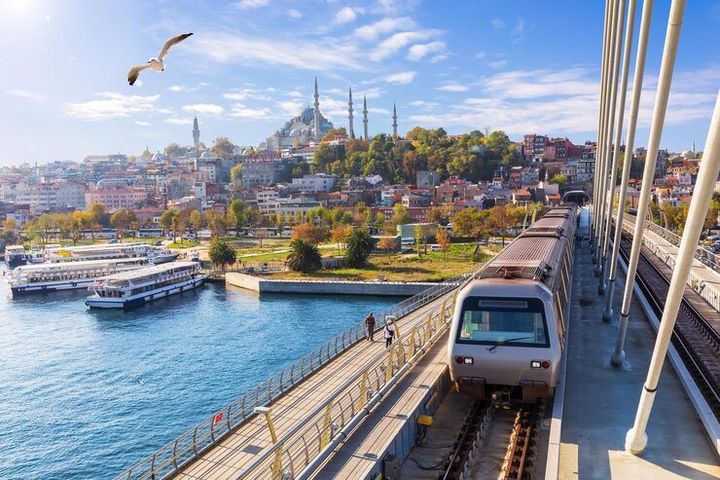
Istanbul Travel Details: Places to Visit, Accommodation Choices, Transport Options and Essential Travel Tips
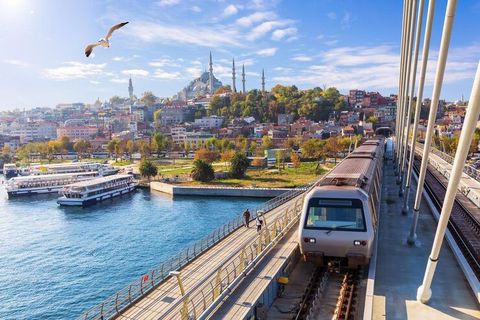
Istanbul is a major city in Türkiye, located across two continents, Europe and Asia. Its geographical position between the Sea of Marmara, the Black Sea and the Bosphorus Strait has influenced its history, architecture, trade, culture and urban development.
Context
Istanbul travel planning involves understanding its geographical layout, cultural attractions, accommodation choices and transportation network. Visitors can explore historical landmarks, museums, waterfront districts, traditional markets and contemporary shopping areas within the same journey.
The city is divided by the Bosphorus, with European and Asian districts connected by bridges, tunnels and ferry routes. This geographical arrangement makes transportation an important part of planning daily activities, particularly when attractions are spread across different neighbourhoods.
Understanding Istanbul's main areas
Istanbul contains several districts with different architectural styles, surroundings and visitor facilities. The historical peninsula includes Sultanahmet and Eminönü, while Beyoğlu contains areas such as Taksim and Galata. Kadıköy and Üsküdar are prominent districts on the Asian side.
These areas provide different experiences, from historical sightseeing and traditional markets to waterfront walks, restaurants and residential neighbourhoods. Understanding their locations helps visitors plan accommodation and daily journeys more efficiently.
Importance
Istanbul attracts visitors interested in history, architecture, cultural experiences, shopping, food and international travel. Its combination of European and Asian influences creates a distinctive urban environment where historic landmarks exist alongside modern commercial and residential developments.
Travel planning matters because the city covers a large geographical area and experiences considerable road traffic. Without understanding neighbourhood locations and transportation options, visitors may spend unnecessary time travelling between attractions.
Accommodation selection also influences the overall travel experience. Staying near historical landmarks can reduce journeys to major attractions, while accommodation in areas such as Taksim or Kadıköy provides access to different parts of the city.
Why Istanbul is relevant to different travellers
Different visitors may approach Istanbul travel with different interests:
History enthusiasts: Interested in historic mosques, palaces, museums and archaeological collections.
Families: Often consider accessible accommodation, convenient transport connections and attractions suitable for different age groups.
Cultural travellers: Explore traditional neighbourhoods, local markets, architectural landmarks and food traditions.
Leisure travellers: May focus on waterfront areas, shopping streets, restaurants and sightseeing.
Short-stay visitors: Usually need to organize attractions according to their geographical location to make efficient use of available time.
Places to visit in Istanbul
Istanbul has numerous historical and cultural attractions. The following locations represent different aspects of its architecture, history and urban environment.
Hagia Sophia: This historic structure in Sultanahmet has experienced different religious and architectural periods. Its large dome, interior design and historical importance make it a significant landmark.
Blue Mosque: Also known as Sultan Ahmed Mosque, this historic mosque is recognized for its domes, courtyards and decorative interior. Visitors should observe the applicable visiting arrangements and respectful clothing expectations.
Topkapi Palace: This historic palace complex provides insight into Ottoman court life, administration and architecture. Its courtyards, collections and surrounding views form an important part of Istanbul's historical landscape.
Grand Bazaar: One of the city's historic covered marketplaces, the Grand Bazaar contains numerous interconnected shopping streets and traditional commercial spaces. Its architecture and trading history are significant parts of Istanbul's urban culture.
Galata Tower: Located in the Galata district, this historic tower is associated with the city's skyline and offers an elevated view of surrounding neighbourhoods.
Bosphorus Strait: The waterway separates the European and Asian sides of Istanbul. Ferry journeys and waterfront viewpoints provide opportunities to observe bridges, historic buildings and coastal neighbourhoods.
Dolmabahçe Palace: Situated along the European shoreline, this palace is known for its architectural design, ceremonial spaces and historical collections.
Spice Bazaar: Located in Eminönü, this traditional marketplace is associated with spices, dried products, sweets and regional food items.
Accommodation choices in Istanbul
Accommodation planning involves considering location, transport access, room facilities and the type of surroundings preferred.
| Area | General characteristics | Suitable for |
|---|---|---|
| Sultanahmet | Historic landmarks and museums | Historical sightseeing |
| Taksim | Urban activity, restaurants and shopping streets | City exploration |
| Galata | Historic architecture and central location | Walking and cultural visits |
| Karaköy | Waterfront surroundings and urban attractions | Mixed sightseeing |
| Kadıköy | Residential atmosphere and local markets | Asian-side exploration |
| Üsküdar | Waterfront districts and historic surroundings | Relaxed neighbourhood visits |
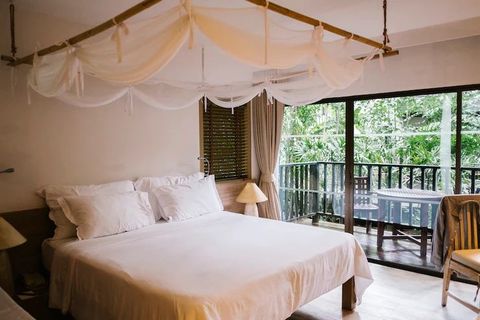
Accommodation options include hotels, serviced apartments, guesthouses and independently managed holiday properties. Facilities and conditions differ between individual properties, even within the same neighbourhood.
Visitors can compare accommodation locations by checking nearby public transport stations, walking distances, accessibility arrangements, room facilities and cancellation conditions. The distance shown on a booking platform may not fully reflect travel time because of hills, pedestrian routes and road traffic.
Recent Updates
Istanbul's travel environment continues to develop through transportation improvements, digital travel planning and changes in visitor preferences. Recent travel trends have placed greater attention on flexible itineraries, online reservations, digital navigation and accommodation located near public transport.
Digital payment systems and mobile applications have also become more relevant to everyday travel. Visitors increasingly use electronic maps, transportation information platforms and online booking records to organize journeys and access information.
Transportation and digital connectivity
Istanbul's public transportation network includes metro lines, trams, buses, ferries, funiculars and the Marmaray rail connection. These different modes provide connections between major districts and help passengers travel across the city.
The expansion and continued development of urban rail infrastructure are important parts of Istanbul's long-term transportation planning. However, construction activity, temporary station arrangements and operating schedules can change, making current route information important.
Changing accommodation preferences
Accommodation planning increasingly includes considerations beyond room facilities. Visitors may compare neighbourhood accessibility, public transport connections, digital check-in arrangements and proximity to cultural attractions.
Short-stay apartments and hotels remain part of the city's accommodation landscape. The availability, operating arrangements and applicable requirements can vary, so property details should be checked before confirming a reservation.
Laws or Policies
International travel to Istanbul is influenced by Türkiye's entry requirements, accommodation rules, transportation regulations and local public-space guidelines. These requirements may change, and their application depends on the visitor's nationality, travel document, length of stay and purpose of travel.
Entry and travel documentation
Foreign visitors should check the applicable passport and visa requirements before travelling. Türkiye maintains an official electronic visa system for eligible nationalities, while other travellers may need to follow a different application process.
The Ministry of Foreign Affairs of the Republic of Türkiye publishes nationality-specific visa information. The official e-Visa portal also provides eligibility information and application guidance. An electronic visa, where applicable, is intended for permitted travel purposes and does not automatically establish eligibility for every visitor.
Visitors should check official information directly rather than relying exclusively on third-party websites or outdated travel discussions.
Accommodation and visitor requirements
Hotels and other accommodation establishments operate under applicable national and local requirements. Visitors may be asked to provide identification during check-in, and accommodation arrangements may involve registration procedures.
Short-term residential accommodation is also subject to specific regulatory requirements. Therefore, visitors should verify that a property is appropriately authorized for the intended type of stay.
Public conduct and cultural considerations
Visitors should follow local rules concerning public spaces, religious buildings, photography restrictions and transportation facilities. Some historic and religious locations have particular visitor arrangements, including clothing expectations, restricted areas and visiting hours.
These considerations are part of responsible travel planning and help visitors understand the local environment without creating unnecessary difficulties.
Tools and Resources
Digital platforms and official information sources can help visitors organize Istanbul travel, understand transportation routes and review accommodation details.
Maps and navigation applications
Google Maps and other navigation platforms can help identify attractions, walking routes, public transport connections and approximate journey times. Checking alternative routes is useful when travelling during busy periods.
Public transportation information
The official Istanbul transportation information channels provide details about routes, operating arrangements and public transport connections. Istanbulkart is the city's integrated public transportation card system, used across participating transport modes.
Visitors can check current card arrangements, applicable fares and payment information before beginning their journeys.
Official tourism information
The GoTürkiye tourism portal provides information about Istanbul's attractions, cultural heritage, neighbourhoods and travel experiences. It can help visitors understand the city's geographical and cultural features.
Travel planning and accommodation platforms
Accommodation comparison platforms can help organize property information, room facilities, location details and reservation conditions. Airline and airport websites can also provide current flight information and terminal details.
A basic itinerary can include:
Attraction name and location
Planned visiting hours
Nearest transport station
Accommodation address
Estimated journey duration
Reservation confirmation details
Alternative arrangements for unexpected changes
Essential Istanbul travel tips
A few practical considerations can make travel planning more organized:
Check the weather conditions and seasonal clothing requirements before departure.
Keep passport and travel-document information accessible and secure.
Understand the difference between the European and Asian sides when selecting accommodation.
Allow additional travel time during busy road traffic periods.
Check museum and palace visiting hours before planning a visit.
Use official transport information for route and operating updates.
Carry suitable footwear because several historical neighbourhoods have uneven streets and steep pathways.
Keep personal belongings secure in crowded markets and public transportation areas.
Confirm accommodation details and arrival arrangements before travelling.
FAQs
What are the main places to visit in Istanbul?
Major attractions include Hagia Sophia, the Blue Mosque, Topkapi Palace, Galata Tower, Dolmabahçe Palace, the Grand Bazaar and the Bosphorus. These locations represent different aspects of the city's history, architecture and cultural environment.
Where should visitors stay in Istanbul?
Sultanahmet is associated with historical sightseeing, while Taksim and Galata provide access to central urban areas. Kadıköy and Üsküdar are alternatives on the Asian side. The appropriate location depends on travel interests, accommodation preferences and transportation requirements.
What are the main transport options in Istanbul?
Istanbul has metro trains, trams, buses, ferries, funiculars and the Marmaray rail connection. Taxis and private transfers are also available. The suitable option depends on the destination, traffic conditions and journey requirements.
How many days are needed to explore Istanbul?
The time required depends on the number of attractions, preferred activities and travel pace. A short visit can cover selected historical landmarks, while a longer stay allows additional time for museums, neighbourhoods, waterfront districts and the Asian side.
What should travellers know before visiting Istanbul?
Visitors should understand entry requirements, accommodation arrangements, transportation options and local cultural expectations. Checking attraction schedules, weather conditions and current travel information also helps with itinerary planning.