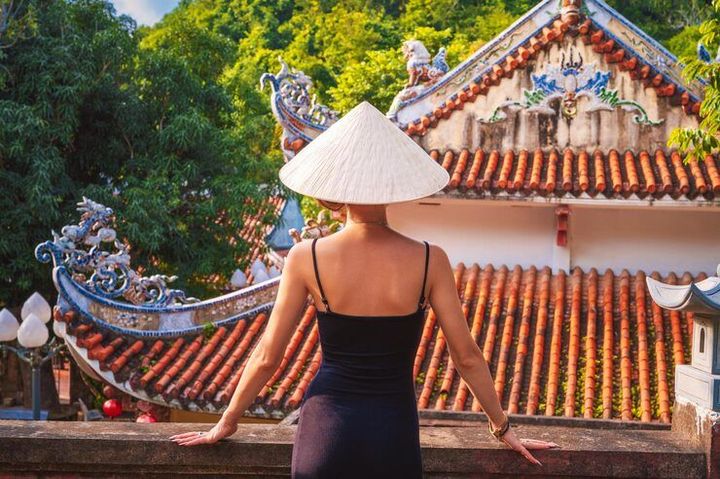
Vietnam Travel Insights: Top Places, Cultural Highlights & Where to Stay
Vietnam travel combines historic cities, coastal landscapes, mountain regions, river communities, traditional food, and a long cultural history shaped by different periods and influences. Stretching from northern mountains to southern waterways, the country has a wide range of destinations that can suit different travel interests.
Context
For many visitors, Vietnam travel planning begins with deciding which regions to include. Hanoi provides access to historic architecture, museums, lakes, and traditional neighborhoods, while Ho Chi Minh City has a more modern urban character. Central destinations such as Hue, Hoi An, and Da Nang connect cultural heritage with beaches and regional cuisine.
Vietnam also has natural areas that provide a different travel experience. Ha Long Bay is known for limestone formations rising from the sea, while the Mekong Delta is associated with waterways, agricultural landscapes, and riverside communities. Northern mountain areas provide opportunities to experience terraced landscapes and local cultural traditions.
Where to stay is another important part of planning. Accommodation ranges from hotels and guesthouses to resorts, homestays, and smaller locally operated properties. The appropriate location depends on the purpose of the trip, transportation preferences, length of stay, and the type of surroundings a traveler wants to experience.
Vietnam at a glance
| Travel element | Examples |
|---|---|
| Major urban destinations | Hanoi, Ho Chi Minh City, Da Nang |
| Cultural destinations | Hue, Hoi An, Hanoi |
| Natural landscapes | Ha Long Bay, Ninh Binh, northern mountains |
| Coastal areas | Da Nang, Nha Trang, Phu Quoc |
| River regions | Mekong Delta |
| Accommodation types | Hotels, guesthouses, homestays, resorts |
| Common travel interests | Culture, food, nature, history, beaches |
Importance
Vietnam travel matters to a wide range of visitors because the country combines several types of experiences within a relatively long but accessible geographic route. Travelers can encounter historic sites, urban neighborhoods, beaches, agricultural areas, mountains, and traditional markets during the same trip.
Understanding regional differences can make planning more practical. Weather, transportation, landscape, and local traditions vary between northern, central, and southern areas, so a destination that suits one type of trip may not provide the same experience during another period.
Choosing places according to travel interests
Travelers interested in history may spend more time in Hanoi and Hue, where historic buildings, museums, monuments, and cultural sites provide context about Vietnam's past. Hoi An is another important destination, particularly for visitors interested in preserved architecture and the history of regional trade.
Nature-focused trips can include Ha Long Bay, Ninh Binh, Phong Nha, or northern mountain areas. These destinations have different landscapes, ranging from limestone formations and caves to rice terraces and forested hills.
For coastal travel, Da Nang, Nha Trang, and Phu Quoc provide different combinations of beaches, urban facilities, marine activities, and nearby attractions. Choosing among them depends on whether the trip is centered on beaches, sightseeing, food, or a combination of interests.
Cultural highlights
Vietnamese culture includes regional traditions, festivals, food customs, architecture, crafts, music, and family-oriented social practices. Cultural experiences can be found in major cities as well as smaller towns and rural communities.
Food is an important part of Vietnam travel. Regional dishes vary considerably, and common foods include noodle dishes, rice-based meals, fresh herbs, grilled foods, soups, and various street foods. Travelers may notice differences in ingredients and preparation between northern, central, and southern regions.
Respect for local customs is also relevant when visiting religious or historic places. Appropriate clothing, quiet behavior, and following photography rules can help visitors interact respectfully with cultural sites and communities.
Recent Updates
Vietnam's tourism sector has continued to expand following the recovery in international travel. Official tourism statistics reported approximately 21.2 million international arrivals during 2025, exceeding the country's previous pre-pandemic annual record. During the first eight months of 2026, international arrivals reached about 15.9 million, representing a 14.4% increase compared with the same period in 2025.
The continued growth has coincided with broader international air connectivity, expanded travel planning resources, and changes to entry policies. Vietnam's official tourism website currently highlights destinations across cultural, nature, beach, food, and city-break categories.
Changes in visa access
Vietnam's electronic visa system has become an important part of international travel planning. The National Immigration Department states that Vietnamese e-visas can have a validity of up to 90 days and may allow either single or multiple entry, subject to the applicable visa.
Vietnam also introduced additional visa-exemption policies in 2025. A government tourism announcement stated that citizens of 12 additional countries became eligible for tourism-related visa-free entry for stays of up to 45 days under a policy running from August 2025 through August 2028, subject to entry requirements.
Because entry rules can change, travelers should check the current official immigration information before making arrangements.
Growing interest in regional travel
Current Vietnam travel trends include greater interest in destinations outside the main urban centers. Mountain communities, heritage towns, coastal areas, nature destinations, and regional food experiences are increasingly represented in official tourism material.
This broader geographic interest can help distribute travel activity across different regions rather than concentrating every itinerary around Hanoi and Ho Chi Minh City.
Laws or Policies
Travel to Vietnam is shaped by immigration rules, visa requirements, local regulations, transportation rules, and regulations concerning accommodation and cultural sites. Requirements can differ according to nationality, passport, purpose of travel, and intended length of stay.
Visa and entry requirements
Vietnam's National Immigration Department states that eligible foreign travelers outside Vietnam can apply electronically for an e-visa through the official immigration system. The current official portal identifies e-visas as valid for a maximum of 90 days, with single- or multiple-entry options.
The immigration portal also announced that the official electronic visa system moved to the domains evisa.gov.vn and thithucdientu.gov.vn in November 2024. Travelers should use official government channels when checking application information rather than relying on unofficial websites.
Entry through an approved airport, land border, or sea port is another consideration because e-visa entry is limited to designated checkpoints. The official tourism information lists approved international airports and land and sea border gates for e-visa holders.
Local rules and cultural sites
Visitors are expected to comply with Vietnamese law during their stay. Regulations can apply to photography, protected areas, religious locations, historic monuments, transportation, and activities in environmentally sensitive areas.
Accommodation providers also have obligations relating to temporary residence reporting for foreign visitors. Vietnam's immigration system provides an electronic temporary-residence declaration platform for accommodation establishments.
Tools and Resources
Several online resources can help organize Vietnam travel information and verify current requirements.
Official tourism information
The official Vietnam tourism website provides destination information covering cities, cultural attractions, beaches, nature areas, food, and travel planning. It can be useful for understanding regional attractions before building an itinerary.
Immigration portal
The National Immigration Department's electronic visa portal provides information about e-visa applications, application status, entry requirements, and approved entry points. The official portal should be checked for current immigration information because requirements can change.
Maps and transport planning
Digital mapping platforms can help travelers compare distances between accommodation and attractions. They can also assist with identifying railway stations, airports, ferry terminals, local transport points, and walking routes.
For longer trips, it can be useful to divide Vietnam into regions:
- Northern Vietnam for Hanoi, Ha Long Bay, Ninh Binh, and mountain areas.
- Central Vietnam for Hue, Hoi An, Da Nang, and nearby coastal destinations.
- Southern Vietnam for Ho Chi Minh City, the Mekong Delta, and southern islands.
Choosing where to stay
Accommodation location can influence the overall structure of a trip. A property near a historic district may make cultural sightseeing easier, while accommodation near a beach may suit a coastal-focused itinerary.
Travelers can compare locations using several practical factors:
- Distance from major attractions
- Access to public transportation
- Airport or railway connections
- Neighborhood environment
- Room facilities
- Check-in requirements
- Cancellation conditions
- Local accommodation rules
The right location therefore depends on the itinerary rather than a single accommodation category.
FAQs
What are the top places to visit in Vietnam?
Major destinations include Hanoi, Ha Long Bay, Ninh Binh, Hue, Hoi An, Da Nang, Ho Chi Minh City, the Mekong Delta, and Phu Quoc. Each destination has a different combination of cultural, natural, historical, and coastal attractions.
Where should I stay during Vietnam travel?
Where to stay depends on the itinerary. Hanoi and Ho Chi Minh City provide urban surroundings, Hoi An is associated with historic architecture, Da Nang combines city and coastal areas, and smaller destinations provide access to nature and local communities.
What cultural highlights should I see in Vietnam?
Cultural highlights include historic districts, temples, museums, traditional markets, heritage architecture, regional food, festivals, crafts, and local community traditions. Hue and Hoi An are particularly associated with cultural and historical attractions.
Is an e-visa required for Vietnam travel?
Visa requirements depend on nationality and the applicable exemption rules. Vietnam provides e-visas to eligible foreign travelers, with the National Immigration Department stating that e-visas can have validity of up to 90 days. Some nationalities may qualify for visa exemption under specific policies.
What should travelers consider when choosing where to stay in Vietnam?
Travelers can consider location, transportation access, nearby attractions, accommodation facilities, local conditions, and the structure of their itinerary. A centrally located property may reduce travel time within a city, while accommodation outside major centers may provide easier access to particular landscapes or communities.
Conclusion
Vietnam travel brings together historic cities, cultural traditions, natural landscapes, coastal destinations, and diverse regional food. Hanoi, Ha Long Bay, Hue, Hoi An, Da Nang, Ho Chi Minh City, the Mekong Delta, and other regions provide different experiences that can be combined according to an itinerary. Recent tourism growth and changes in visa policies have also influenced international travel planning. Entry requirements, local regulations, transportation, and accommodation location remain important practical considerations when understanding a trip to Vietnam.